
Email us today!

How to Rent Out Your Home in Michigan
February 10, 2023
See How We're Different
or call us: (248)-647-2500
Michigan offers landlords a relatively favorable regulatory environment, with no statewide rent control and steady demand across metro and rural markets alike. The average monthly rent in the state sits at approximately $1,157, though that figure swings sharply by location:
Ann Arbor commands roughly $2,021 per month, while cities like Flint and Saginaw remain well below the state average. If you own a home you are not currently occupying, or if you are relocating and want to hold onto your property as an investment, renting it out can generate meaningful passive income. This guide to
renting out your home in Michigan covers the legal, financial, and practical steps you need to take before placing a tenant in your property. You will find specific guidance on safety requirements, deposit rules, insurance distinctions, and tenant screening, all grounded in Michigan statute and current market data. Whether your property is a single-family home in Grand Rapids or a duplex near Traverse City, the process follows a consistent framework that protects both your investment and your future tenants.
Preparing Your Michigan Property for the Market
Getting your property rent-ready involves more than a fresh coat of paint. Michigan municipalities enforce specific habitability and safety standards, and your rental price should reflect real local data rather than guesswork. Addressing both of these areas before listing your property will save you time, legal exposure, and vacancy costs.
Meeting Local Safety and Certificate of Occupancy Standards
Many Michigan cities require landlords to obtain a Certificate of Occupancy or a rental registration before placing tenants. Detroit, Kalamazoo, Lansing, and several smaller municipalities each maintain their own inspection programs. These inspections typically verify working smoke detectors on every level, carbon monoxide detectors near sleeping areas, functioning plumbing and electrical systems, and safe egress from bedrooms.
You should contact your local building or housing department at least 60 days before your intended listing date. Inspection wait times vary, and some cities, such as Hazel Park, have recently imposed moratoriums on new short-term rental licenses, which signals a tightening regulatory posture in certain communities. Traverse City commissioners have similarly been working through housing and short-term rental policy goals throughout 2026. Failing to secure the proper certificate before move-in can result in fines or an order to vacate, so treat this step as non-negotiable.
Setting a Competitive Rent Price Based on County Data
Your rental price should be based on comparable properties within the same county and zip code, not statewide averages. Pull active and recently rented listings from platforms like Zillow, Rentometer, and local MLS feeds. Compare properties with similar square footage, bedroom count, and condition.
Michigan has
no statewide rent control, which means you have full discretion over pricing. That said, overpricing leads to extended vacancies that erode your annual return. A property priced 5 to 8 percent above market may sit empty for an extra month, costing you far more than the modest premium would have earned. Factor in property taxes, insurance, maintenance reserves, and any HOA dues to determine your break-even point, then price competitively above that floor.
Understanding Michigan Landlord-Tenant Laws
Michigan landlord-tenant law is primarily governed by the Landlord and Tenant Relationships Act (Act 348 of 1972) and the Truth in Renting Act (Act 454 of 1978). These statutes define your obligations around deposits, disclosures, maintenance, and eviction procedures. Ignorance of these rules does not shield you from liability, so a working knowledge is essential before you sign your first lease.
Security Deposit Limits and Inventory Checklists
Michigan law caps security deposits at 1.5 times the monthly rent. If your rent is $1,200 per month, you may collect no more than $1,800 as a deposit. You must hold the deposit in a regulated financial institution and provide the tenant with the bank name and address within 14 days of occupancy.
Within seven days of move-in, you are required to provide a detailed inventory checklist documenting the condition of the property. The tenant then has seven days to review, note any disagreements, and return the checklist. This document becomes critical if you need to make deductions at lease end. Without a completed checklist, your ability to withhold deposit funds for damages is severely limited under Michigan law.
Required Lease Disclosures and Truth in Renting Act
The Truth in Renting Act prohibits lease clauses that waive tenant rights or misrepresent the law. Your lease cannot, for example, require tenants to waive their right to a habitable dwelling or agree to pay attorney fees regardless of the outcome of a dispute. Michigan lawmakers have also announced a tenants' rights legislative package in 2026 that may expand disclosure requirements further.
Required disclosures include the name and address of the property owner or authorized agent, the location of the security deposit, and any known lead-based paint hazards for properties built before 1978. You should also disclose the presence of mold,
prior flooding, or structural issues. Using a
Michigan-specific lease template that accounts for these requirements will help you avoid unenforceable clauses and potential penalties.
Screening Tenants and Managing Risk
A thorough screening process is your single best defense against late payments, property damage, and costly evictions. Run credit checks, verify employment and income, contact previous landlords, and review criminal background reports. Most experienced landlords require a minimum credit score of 620 and verifiable income of at least three times the monthly rent.
Document your screening criteria in writing before you begin accepting applications. Consistent, written standards protect you from discrimination claims and help you make objective decisions. Collect a non-refundable application fee to cover the cost of background checks, which typically run between $25 and $50 per applicant.
Fair Housing Guidelines for Michigan Landlords
Federal fair housing law prohibits discrimination based on race, color, national origin, religion, sex, familial status, and disability. Michigan's Elliott-Larsen Civil Rights Act adds protections for age and marital status. You cannot refuse to rent, set different terms, or advertise preferences based on any of these protected classes.
Practical compliance means using identical application forms for every applicant, asking the same questions in every showing, and never commenting on a prospective tenant's family size, ethnicity, or disability. A
2026 report on Detroit landlords found that many smaller landlords operate without formal screening procedures, which increases both legal risk and turnover costs. Standardizing your process is not just a legal safeguard; it is a business practice that improves tenant quality.
Protecting Your Asset with the Right Insurance
Your standard homeowners insurance policy will not cover a property you rent to tenants. Once you convert your home to a rental, you need a landlord insurance policy, sometimes called a dwelling fire policy or DP-3. Failing to notify your insurer of the occupancy change can result in claim denials, leaving you financially exposed after a fire, storm, or liability incident.
Comparison: Homeowners vs. Landlord Insurance Coverage
Landlord insurance differs from homeowners coverage in several meaningful ways. It typically excludes tenant personal property, which the tenant must cover through their own renters policy. It does, however, include loss of rental income coverage, which reimburses you for lost rent if the property becomes uninhabitable due to a covered event.
Liability limits on landlord policies generally start at $100,000 but should be increased to at least $300,000 for most single-family rentals. An umbrella policy layered on top provides an additional $1 million or more in
liability protection for roughly $200 to $400 per year. Given that a single slip-and-fall lawsuit can exceed six figures, this is one of the most cost-effective protections available to Michigan landlords.
Insurance Coverage Comparison Table
| Feature | Homeowners Insurance | Landlord Insurance |
|---|---|---|
| Dwelling Coverage | Yes | Yes |
| Personal Property | Owner's belongings | Landlord-owned items only |
| Tenant's Belongings | Not applicable | Not covered (tenant needs renters policy) |
| Liability Protection | Yes | Yes, often higher limits recommended |
| Loss of Rental Income | No | Yes |
| Typical Annual Cost (MI) | $1,200 to $2,000 | $1,400 to $2,600 |
| Vacancy Clause | 30 to 60 days | Often more flexible |
| Umbrella Policy Add-On | Available | Available and strongly recommended |
Common Questions About Renting in Michigan
How much can I charge for a security deposit in Michigan?
You may charge up to 1.5 times the monthly rent. For a property renting at $1,200 per month, the maximum deposit is $1,800. The deposit must be held in a regulated financial institution.
Do I need a special license to rent out my house?
Michigan does not require a statewide landlord license, but many cities require rental registration, inspections, or a Certificate of Occupancy. Check your local municipality's rental property requirements before listing.
Can I use my regular home insurance for a rental property?
No. Standard homeowners policies exclude properties occupied by tenants. You need a landlord or dwelling fire policy to maintain valid coverage. Claims filed under a homeowners policy on a tenant-occupied property will likely be denied.
Who is responsible for snow removal and lawn care?
The lease determines responsibility. If the lease is silent, Michigan courts generally hold the landlord responsible for maintaining common areas and exterior safety. Specify these duties clearly in your lease agreement.
How long does it take to evict someone in Michigan?
A standard non-payment eviction in Michigan takes approximately 30 to 45 days from the initial notice through court judgment and writ of restitution. Contested cases or lease violation evictions can extend to 60 days or longer.
Your Next Steps as a New Landlord
Renting out your Michigan home is a multi-step process that rewards preparation and penalizes shortcuts. Start by confirming your municipality's registration and inspection requirements, then price your property using county-level comparable data. Build a lease that complies with the Truth in Renting Act and includes every required disclosure. Screen every applicant against consistent, documented criteria that respect fair housing law. Switch your insurance from a homeowners policy to a landlord policy before the first tenant moves in.
Your ultimate guide to renting out your home in Michigan does not end with placing a tenant. Set aside 1 to 2 percent of the property value annually for maintenance reserves, respond to repair requests within a reasonable timeframe, and keep meticulous records of every transaction and communication. These habits reduce legal exposure, protect your asset, and build the kind of landlord-tenant relationship that leads to long-term occupancy and stable returns. If you are unsure about any legal requirement, consult a Michigan real estate attorney before your first lease signing, as the cost of professional advice is a fraction of the cost of a preventable mistake.
BLOG AND NEWS
Better Insurance Decisions
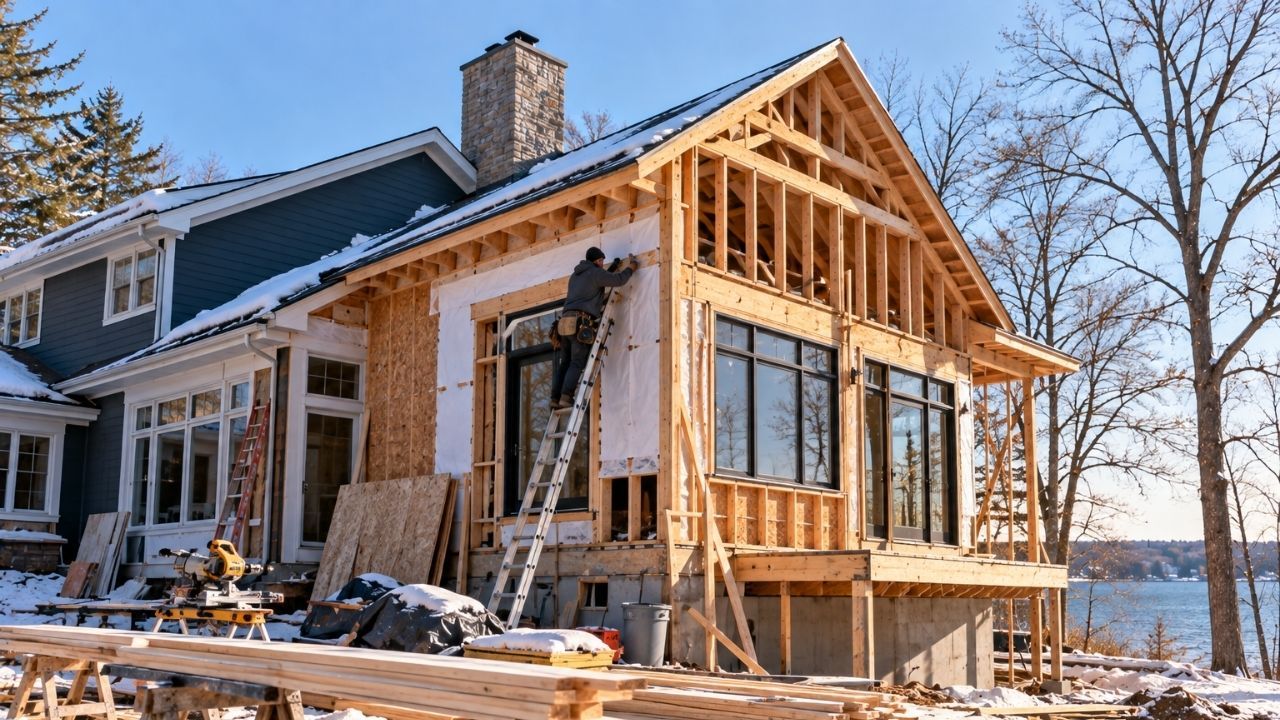
Michigan home insurance ordinance and code coverage helps protect older homes from costly code upgrades, demolition, wiring, plumbing, and compliance expenses.

Learn how Michigan home insurance covers pole barns and outbuildings, including snow, wind, hail, farm use, Coverage B limits, and key exclusions.
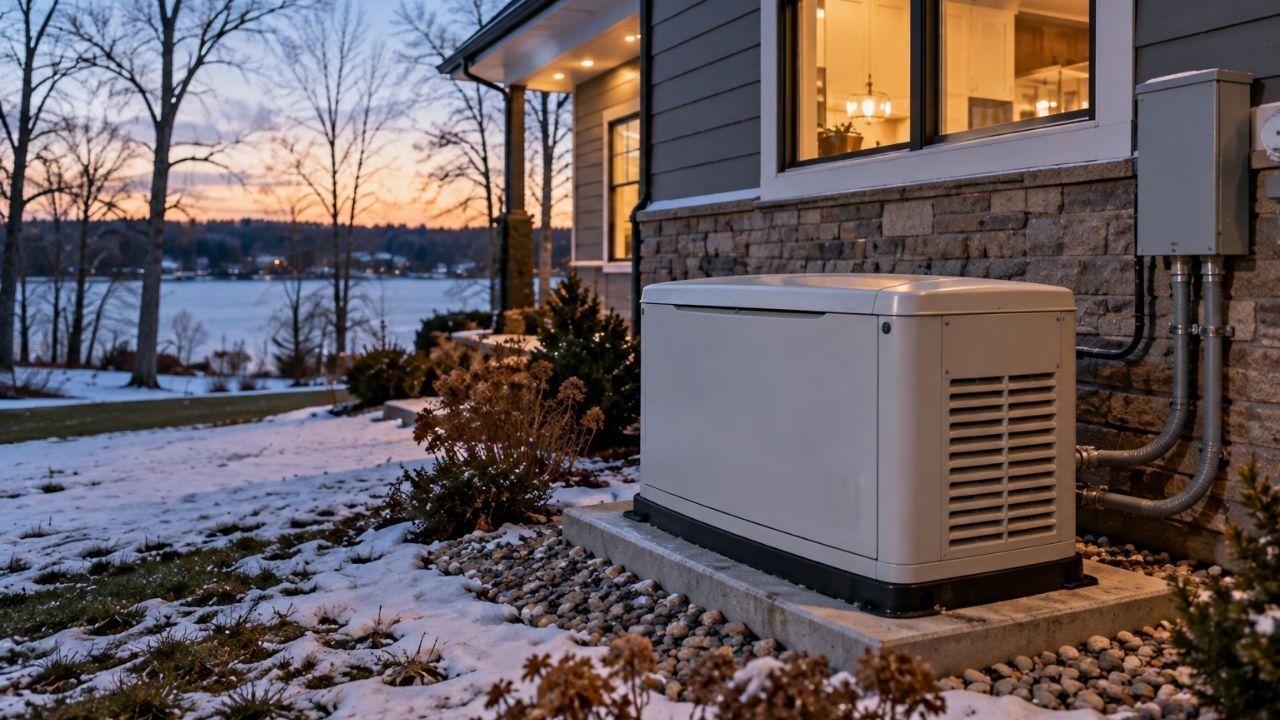
Learn how Michigan home insurance covers backup generators, including storm damage, power surges, mechanical breakdowns, and equipment coverage options.

Learn how Michigan home insurance covers private wells and septic systems, including pump failures, sewage backups, service lines, and key endorsements.
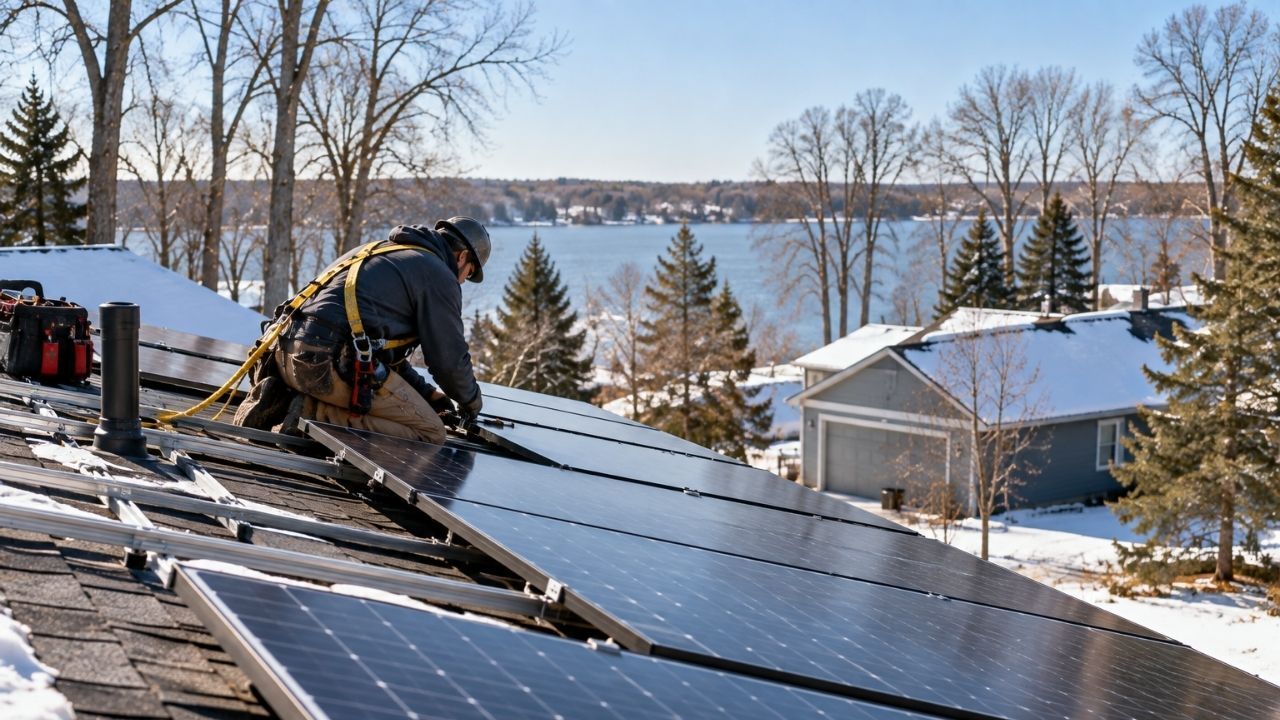
Protect your Michigan solar investment with the right home insurance coverage. Learn about panel damage, storm risks, deductibles, and coverage limits.
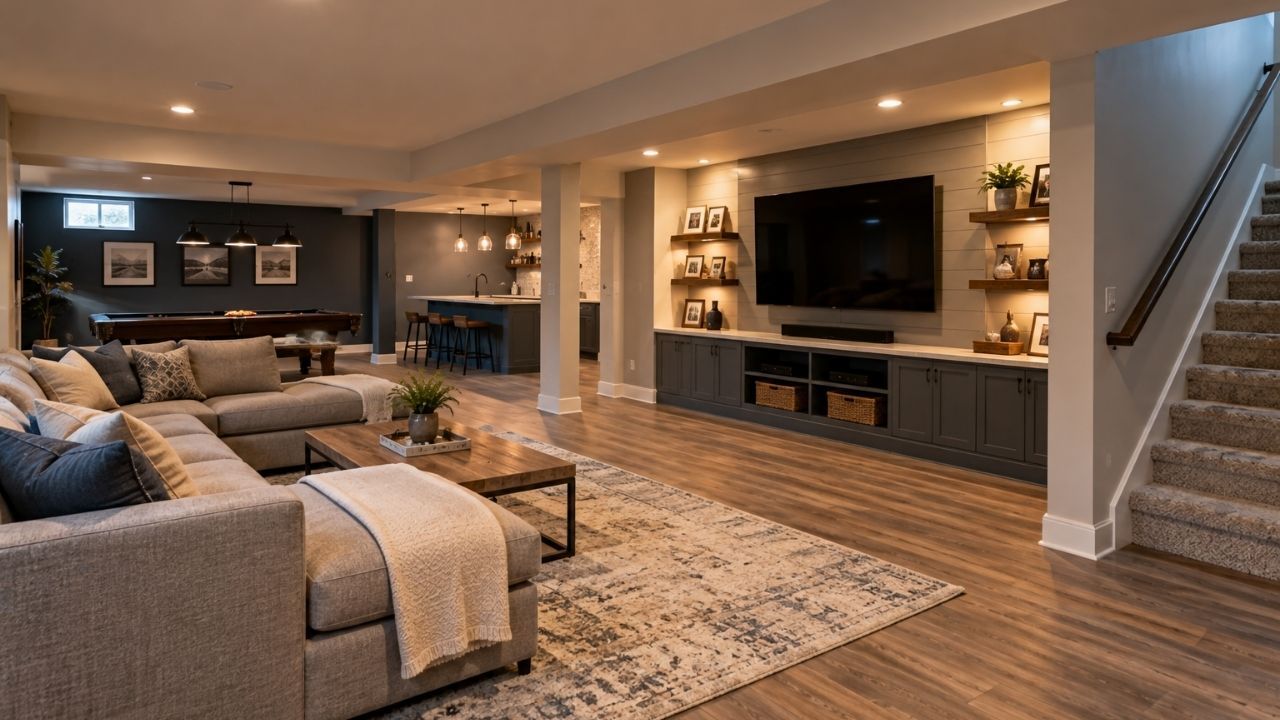
Protect your finished Michigan basement with the right home insurance coverage. Learn about water backup, sump pumps, flooding, egress, and coverage gaps.
Protect your Michigan detached garage or workshop with the right insurance. Learn about Coverage B, snow risks, tools, equipment, and business use.

Update your Michigan home insurance after renovations. Learn how to adjust coverage, replacement costs, and protect your investment from costly gaps.
Protect your Michigan rental with the right landlord insurance. Learn coverage options, DP-1 vs. DP-3, liability, loss of rent, and key risks.

Wilde Wealth Insurance Services provides Michigan boat insurance coverage options to protect your vessel, liability, and finances on inland and Great Lakes waters.