
Email us today!


Index
Contact Us
Phone
(248) 647-2500
hello@oaklandinsurance.com
Location
8055 Ortonville Rd, City of the Village of Clarkston, MI 48348
Michigan sits on the shores of four Great Lakes and contains more than 11,000
inland lakes, making it one of the most active boating states in the country. The state holds
approximately 1,000,337 registered watercraft, placing it second in the nation for total boat registrations. With that volume of vessels on the water, the risk of collisions, weather damage, and liability claims is real and persistent. If you own a boat in Michigan, securing the right insurance policy is not simply a smart financial move: it is a necessity that protects your investment and
your family. This guide walks you through what
Michigan boat insurance actually covers, how premiums are calculated, and where to find the most competitive rates in 2026. Whether you trailer a bass boat to inland lakes or dock a
cabin cruiser on Lake Huron, understanding your coverage options will save you money and prevent costly surprises after a claim. The goal here is straightforward: help you make a well-informed decision before your next season on the water.
Understanding Michigan Boating Requirements and Coverage Basics
Michigan law requires all motorized watercraft to be registered with the Secretary of State, but the state does not mandate that every boat owner carry insurance. That distinction matters, because it means the responsibility for financial protection falls entirely on you. A single accident on Lake Michigan can result in property damage, bodily injury claims, or environmental cleanup costs that exceed six figures. Without a policy, you bear that financial exposure alone.
State Registration vs. Insurance Mandates
Every motorized vessel operating on Michigan waters must display a valid registration decal. The Michigan Department of Natural Resources oversees this process, and registration fees vary based on vessel length. A boat under 16 feet costs roughly $12 to register, while vessels over 26 feet can exceed $90 in fees. Registration, however, does not provide any financial protection. It is simply a legal requirement for operation.
Some marinas and lenders do require proof of insurance before granting a slip or finalizing a loan. If you finance your boat, your lender will almost certainly require a comprehensive policy for the duration of the loan term. Even if you own your vessel outright, carrying insurance remains strongly advisable given the high cost of repairs, medical bills, and legal defense in the event of an on-water incident.
Common Policy Types: Agreed Value vs. Actual Cash Value
Two primary valuation methods define most boat insurance policies. An agreed value policy means you and your insurer settle on a fixed dollar amount at the start of the policy term. If the boat is declared a total loss, you receive that full agreed amount with no depreciation deduction. An actual cash value policy, by contrast, factors in depreciation at the time of the claim. A ten-year-old pontoon boat insured under an actual cash value policy could pay out significantly less than what you originally paid.
For most Michigan boat owners, agreed value policies offer better peace of mind, particularly for newer or higher-value vessels. The premium difference between the two is often modest, sometimes only $50 to $150 per year, but the payout difference after a total loss can be tens of thousands of dollars.
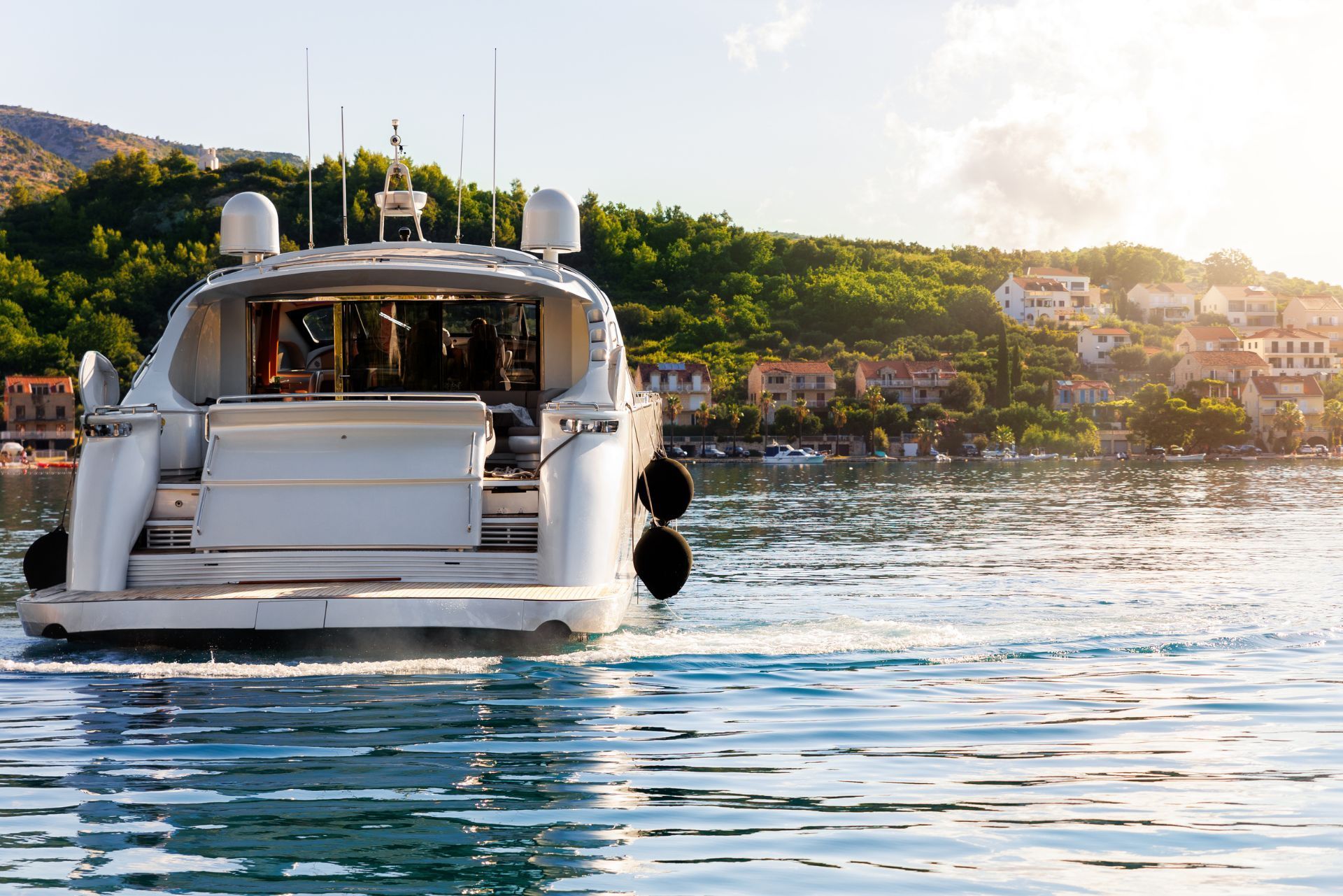
Boating on the Great Lakes presents hazards that smaller inland waterways simply do not. Sudden storms, large wave action, commercial shipping traffic, and frigid water temperatures all increase risk. Your policy should account for these specific conditions.
Liability and Property Damage Protection
Liability coverage pays for bodily injury and property damage you cause to others while operating your boat. A common starting point is $300,000 in combined single-limit liability, though many insurers recommend $500,000 or higher for vessels operating on the Great Lakes. If you strike another boat, injure a swimmer, or damage a dock, your liability coverage responds first. Without adequate limits, a lawsuit could reach your personal savings, home equity, and future earnings.
Property damage protection within your policy also covers your own vessel against perils like fire, theft, storm damage, and collision. On the Great Lakes, where wind and wave conditions can shift within minutes, hull damage from rough water is a frequent claim type that underscores why physical damage coverage is essential.
Wreckage Removal and Fuel Spill Coverage
One of the most overlooked coverage areas involves wreckage removal and fuel spill liability. If your boat sinks in a Michigan waterway, federal and state environmental regulations may require you to remove the wreckage and clean up any fuel or oil discharge. These costs can climb past $10,000 quickly, especially in deeper water or environmentally sensitive areas. Many standard policies include some wreckage removal coverage, but the limits vary. Review your policy to confirm the amount and consider increasing it if you boat on the Great Lakes, where salvage operations are more complex and expensive.
Uninsured Watercraft Protection
Not every boater on Michigan waters carries insurance. If an uninsured operator collides with your vessel and causes injury or damage, uninsured watercraft coverage fills the gap. This works similarly to uninsured motorist coverage on an auto policy. Given that Michigan does not mandate boat insurance, the odds of encountering an uninsured boater are higher than many owners expect. Adding this coverage typically costs a modest amount per year and provides a critical safety net.
Your annual premium depends on a combination of vessel characteristics, operator history, and geographic factors. Understanding these variables helps you identify where you can reduce costs without sacrificing protection.
Watercraft Type, Age, and Horsepower
Insurers classify boats by type: pontoon, bass boat, cabin cruiser, personal watercraft, sailboat, and so on. High-performance boats with engines exceeding 300 horsepower generally carry higher premiums due to increased speed-related risk. Older vessels may cost less to insure if their market value has declined, but they can also present higher mechanical failure risk, which some carriers factor into pricing.
| Factor | Lower Premium | Higher Premium |
|---|---|---|
| Boat Type | Pontoon, sailboat | High-performance, PWC |
| Engine HP | Under 150 HP | Over 300 HP |
| Vessel Age | 5-10 years (moderate value) | Brand new (high replacement cost) |
| Hull Material | Aluminum | Fiberglass or composite |
| Storage | Indoor, dry stack | Open water mooring |
The table above provides a general framework for how carriers weigh these variables. Your specific quote will reflect your unique combination of factors.
Navigational Limits and Lay-up Periods
Most Michigan boat insurance policies include a navigational territory clause that defines where you may operate. A policy restricted to inland Michigan lakes will cost less than one covering all five Great Lakes or trips into Canadian waters. If you plan to cross into Ontario, confirm that your policy includes international coverage.
Lay-up periods also affect pricing. Michigan's boating season typically runs from May through October. During the off-season months, your boat faces reduced risk if it is stored properly on land. Many insurers offer a lay-up period discount that reduces your premium during months when the vessel is not in use. This discount can amount to 10 to 25 percent of your annual cost, depending on the carrier and your storage arrangement.
How to Compare Quotes and Find Local Discounts
Shopping for Michigan boat insurance requires more than selecting the cheapest quote. You need to compare coverage limits, exclusions, deductibles, and claims service quality across multiple carriers.
Multi-Policy and Boating Safety Course Savings
Bundling your boat policy with your homeowners or auto insurance often yields a multi-policy discount ranging from 5 to 15 percent. Many Michigan-based agencies specialize in packaging these policies together for lake-area residents.
Completing an approved boating safety course is another reliable way to lower your premium. Michigan requires boaters born after December 31, 1978, to carry a boating safety certificate before operating a motorized vessel. Even if you are not legally required to complete the course, presenting a certificate to your insurer can reduce your premium by 5 to 10 percent. The course itself typically costs under $50 and can be completed online in a few hours.
Evaluating Deductible Levels and Payment Plans
Your deductible is the amount you pay out of pocket before your insurer covers the rest of a claim. Raising your deductible from $250 to $1,000 can lower your annual premium noticeably, sometimes by 15 to 20 percent. The trade-off is that you absorb more cost on smaller claims. If you have sufficient savings to cover a $1,000 deductible comfortably, the premium savings over several claim-free years often outweigh the added risk.
Payment plans also vary by carrier. Some insurers offer pay-in-full discounts of 5 to 8 percent, while others charge installment fees that quietly increase your total annual cost. Request a full breakdown of payment options before committing to a policy.
Tips for Selecting a Reliable Michigan Marine Insurer
Choosing an insurer goes beyond price. You want a company with a strong claims-handling reputation, financial stability, and familiarity with Michigan-specific risks. Look for carriers that maintain local adjusters or partner with marine surveyors in the Great Lakes region. A claims adjuster who understands Lake Erie wave damage or Saginaw Bay ice conditions will process your claim more efficiently than a generalist working from out of state.
Read online reviews from other Michigan boaters, and ask your marina operator for recommendations. Independent insurance agents who represent multiple marine carriers can present you with side-by-side comparisons and explain the fine print of each policy. Verify that your chosen insurer holds a strong financial strength rating from a recognized rating agency, as this indicates the company can pay claims even after a catastrophic weather event that affects many policyholders simultaneously.
Request sample policy documents before purchasing. Pay close attention to exclusion clauses, particularly those related to racing, commercial use, or named storm events. If you participate in fishing tournaments or occasionally rent your boat to friends, confirm that these activities fall within your policy terms.
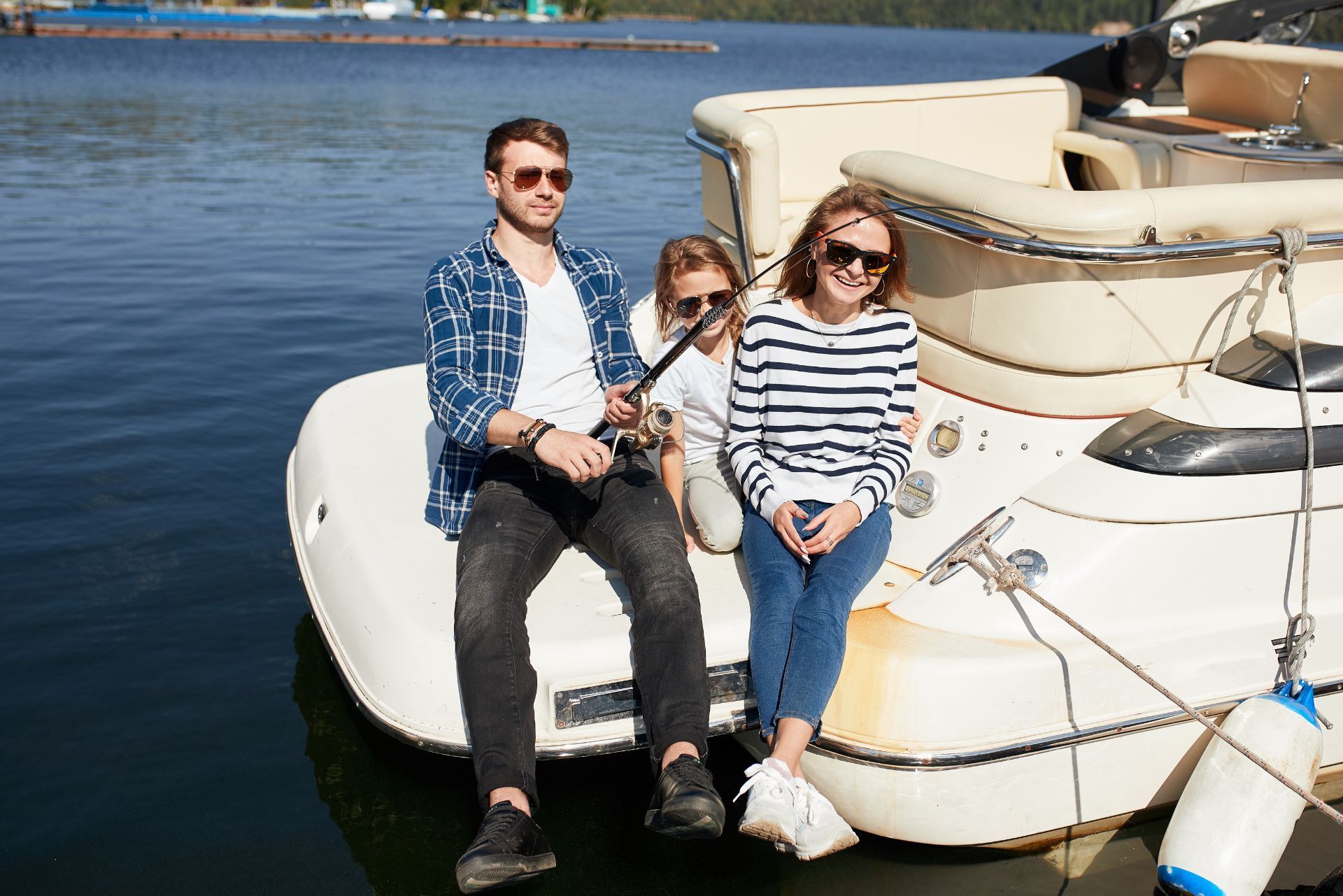
Your Path to the Right Coverage
Finding the best boat insurance in Michigan comes down to understanding your vessel, your waters, and your financial exposure. Start by determining whether an agreed value or actual cash value policy suits your situation. Build your coverage around adequate liability limits, wreckage removal protection, and uninsured watercraft coverage. Then compare quotes from at least three carriers, factoring in multi-policy discounts, safety course savings, and deductible adjustments.
Michigan's waterways offer some of the finest boating in the country, and protecting your time on the water should not feel complicated. Take the time to review your policy annually, especially if you upgrade your vessel or change your boating territory. A well-structured insurance policy lets you focus on what matters most: enjoying every mile of Michigan shoreline with confidence.
Frequently Asked Questions
Does Michigan require boat insurance by law? No. Michigan does not mandate insurance for recreational boats, but lenders and marinas often require it. Carrying a policy is strongly recommended given the financial risks of on-water accidents.
How much does boat insurance typically cost in Michigan? Annual premiums for most recreational boats range from $200 to $800, depending on vessel type, value, horsepower, and coverage limits. High-performance boats or large cabin cruisers may exceed $1,000 per year.
Is my boat covered under my homeowners insurance? Some homeowners policies include limited coverage for small watercraft, often up to $1,500 in value. Anything beyond that requires a separate marine policy for adequate protection.
Do I need special coverage for the Great Lakes? Yes. Great Lakes boating involves higher wave action, commercial traffic, and weather risks. Confirm your policy covers Great Lakes navigation and includes sufficient wreckage removal limits.
Can I insure my boat year-round even though I only use it seasonally? Most Michigan policies remain active year-round but include a lay-up period that reduces your premium during months the boat is stored. This protects against off-season risks like theft or fire while keeping your costs lower.
Will a boating safety certificate lower my premium? In most cases, yes. Presenting a valid boating safety certificate to your insurer can reduce your annual premium by 5 to 10 percent, and the course itself costs less than $50.