
Email us today!

Michigan’s 10 Most Expensive Cities for Home Insurance
November 13, 2024
See How We're Different
or call us: (248)-647-2500
Michigan homeowners pay some of the highest insurance premiums in the Midwest, and the gap between the cheapest and most expensive cities can be staggering. A homeowner in one city might pay $1,800 per year while a neighbor just 30 miles away pays more than $5,000 for comparable coverage. These differences are not random. They reflect a complex mix of crime data, weather exposure, property values, and local claims history that insurers weigh when setting your rate.
If you are among the many residents wondering whether you are overpaying for home insurance in Michigan, the answer may depend heavily on your zip code. Understanding which cities carry the steepest premiums, and why, gives you the information you need to make smarter coverage decisions. The ten most expensive cities for home insurance in Michigan reveal patterns that every homeowner in the state should understand, whether you are buying a first home, renewing a policy, or considering a move.
Why Home Insurance Rates Vary Across Michigan
Michigan is not a monolithic insurance market. Each city presents a unique risk profile, and insurers price policies accordingly. Three primary factors drive the wide premium disparities you see across the state: crime, climate, and construction costs. A city that scores poorly in all three categories will almost certainly land among the most expensive places to insure a home.
Your individual rate also reflects personal factors like your claims history, credit score, and the age of your home. But the baseline premium for your area is largely set before any personal adjustments are made. That baseline is what separates a $2,000 annual policy in Traverse City from a $5,000 policy in Detroit.
The Impact of Local Crime Rates
Property crime, particularly theft and vandalism, is one of the strongest predictors of high home insurance premiums. Insurers track claims frequency at the zip code level, and cities with elevated burglary and arson rates see those costs passed directly to policyholders. Detroit, Flint, and Saginaw consistently rank among Michigan cities with the highest property crime rates, and their insurance premiums reflect that reality.
A home in a high-crime neighborhood may cost 40 to 60 percent more to insure than an identical home in a low-crime suburb. This is not speculation; it is actuarial math. Insurers pay out more claims in these areas, and premiums adjust to cover those losses. Installing a monitored alarm system or reinforced entry points can help offset some of this cost, but the geographic penalty remains significant.
Climate Risks and Severe Weather Patterns
Michigan experiences a wide range of severe weather, from heavy lake-effect snowstorms along the western coast to tornado activity in the southern counties. Wind and hail damage claims have increased steadily over the past decade, and homeowners insurance costs vary significantly by state based on regional weather exposure.
The Great Lakes moderate temperatures in some areas but also create unique risks. Ice dams, frozen pipes, and roof collapses from snow load are common winter claims. Spring and summer bring thunderstorms, straight-line winds, and occasional tornadoes. Cities in the southern Lower Peninsula tend to face higher storm-related premiums because they sit in more active severe weather corridors.
Property Values and Construction Costs
Rebuilding a home in 2026 costs substantially more than it did even five years ago. Labor shortages, material price increases, and updated building codes have pushed reconstruction costs higher across Michigan. Cities with older housing stock face a double challenge: homes built before 1970 often require more expensive repairs, and outdated electrical or plumbing systems increase the risk of fire and water damage claims.
Insurers calculate your dwelling coverage based on replacement cost, not market value. A home in a city with high contractor demand and expensive materials will carry a higher premium even if its market value is modest. This is why some mid-priced cities still appear on the most expensive list for insurance purposes.
Michigan's 10 Most Expensive Cities for Homeowners
Detroit tops the list as the costliest city for home insurance in the state. The average annual premium in Detroit reaches approximately $5,003 for $300,000 in dwelling coverage, making it one of the most expensive cities to insure a home anywhere in the country. The combination of high crime rates, aging housing stock, and frequent claims activity creates a perfect storm of risk factors.
The remaining nine cities on this list share many of Detroit's challenges to varying degrees:
- Detroit: ~$5,003 per year
- Flint: ~$4,200 per year
- Saginaw: ~$3,900 per year
- Pontiac: ~$3,700 per year
- Muskegon: ~$3,400 per year
- Lansing: ~$3,200 per year
- Battle Creek: ~$3,100 per year
- Jackson: ~$2,950 per year
- Kalamazoo: ~$2,850 per year
- Bay City: ~$2,750 per year
Several patterns emerge from this list. Most of these cities have experienced population decline, which correlates with higher vacancy rates and increased property crime. Many also have a high percentage of homes built before 1960, which drives up both claims frequency and repair costs. If you live in one of these cities, you are likely paying considerably more than the Michigan state average, which hovers around $2,300 per year for standard coverage.
Comparing Standard vs. High-Value Home Coverage
Not all home insurance policies are structured the same way, and the type of coverage you carry has a direct effect on your annual premium. Standard HO-3 policies cover your dwelling and personal property against named perils, with liability protection included. High-value or enhanced policies, sometimes called HO-5 or premier policies, offer broader protection with fewer exclusions and higher coverage limits.
For homeowners in Michigan's most expensive cities, choosing the right coverage tier is a balancing act between adequate protection and affordability. Underinsuring your home to save on premiums is a common mistake that can leave you financially exposed after a major loss.
Coverage Comparison Table
| Feature | Standard HO-3 Policy | High-Value / HO-5 Policy |
|---|---|---|
| Dwelling Coverage | Named perils only | Open perils (broader) |
| Personal Property | Named perils, actual cash value | Open perils, replacement cost |
| Liability Limit | $100,000 - $300,000 | $500,000 - $1,000,000+ |
| Deductible Options | $1,000 - $2,500 typical | $2,500 - $10,000 typical |
| Water Backup Coverage | Usually an add-on | Often included |
| Estimated Annual Cost (Detroit) | $4,500 - $5,500 | $6,500 - $8,000+ |
The higher deductible on premium policies can actually work in your favor if you have savings to cover smaller losses. You pay less in annual premiums while maintaining strong protection against catastrophic events, which is exactly the kind of risk a homeowner in a high-cost city should plan for.
Ways to Lower Your Premium in High-Cost Areas
Living in one of Michigan's priciest insurance cities does not mean you have no control over your costs. Several proven strategies can reduce your premium by 10 to 30 percent without sacrificing essential coverage. The key is knowing which discounts your insurer offers and which home improvements deliver the best return in premium savings.
Home Security and Safety Upgrades
A monitored burglar alarm system can reduce your premium by 5 to 15 percent with most Michigan insurers. Smoke detectors, fire extinguishers, and water leak sensors also qualify for discounts. For homes in high-crime areas like Detroit or Flint, these upgrades serve double duty: they lower your insurance costs and reduce the actual likelihood of a covered loss.
Roof replacement is another high-impact upgrade. If your roof is more than 15 years old, replacing it with impact-resistant shingles can yield premium reductions of 10 to 25 percent. Some insurers will not even write a new policy on a home with a roof older than 20 years, so this upgrade may be necessary rather than optional.
Bundling and Loyalty Discounts
Combining your home and auto insurance with a single carrier typically saves 10 to 20 percent on both policies. Most major insurers operating in Michigan offer multi-policy discounts, and some extend additional savings for customers who have maintained continuous coverage for three or more years.
Raising your deductible from $1,000 to $2,500 can lower your annual premium by 10 to 15 percent. This approach works best for homeowners who have an emergency fund to cover smaller claims out of pocket. Shopping your policy every two to three years is also critical, as Michigan home insurance rates vary widely between carriers for the same property and coverage level.
Common Questions About Michigan Home Insurance
Why is my insurance higher in Detroit than Grand Rapids?
Detroit has significantly higher property crime rates, more aging housing stock, and a greater frequency of insurance claims than Grand Rapids. These factors combine to make Detroit premiums roughly double what homeowners pay in Grand Rapids for equivalent coverage.
Does Michigan require home insurance by law?
Michigan does not legally require homeowners insurance. Your mortgage lender, however, will almost certainly require it as a condition of your loan. If you own your home outright, carrying insurance is still strongly recommended to protect your financial investment.
Will my credit score affect my Michigan rates?
Yes. Michigan insurers use credit-based insurance scores as one factor in setting premiums. A lower credit score can increase your premium by 20 to 40 percent compared to a homeowner with excellent credit and an otherwise identical risk profile.
How often should I shop for a new policy?
Every two to three years is a reasonable interval. Insurance markets shift, and the carrier offering the best rate today may not be the most competitive option in 2028. Getting three to five quotes each time you shop gives you a reliable picture of the current market.
Does home insurance cover flood damage in Michigan?
Standard home insurance policies in Michigan do not cover flood damage. You need a separate flood insurance policy, typically through the National Flood Insurance Program or a private flood insurer. Homeowners near rivers, lakes, or in designated flood zones should treat this coverage as essential rather than optional.
The Bottom Line for Michigan Homeowners
Where you live in Michigan has a dramatic effect on what you pay for home insurance. Cities like Detroit, Flint, and Saginaw carry premiums that can exceed the state average by 50 to 100 percent, driven by crime, weather exposure, and the cost of repairing older homes. If you are paying too much for your coverage, the most effective steps are straightforward: upgrade your home security, raise your deductible if your savings allow it, bundle your policies, and shop your coverage regularly.
Do not assume your current rate is the best available. Premium differences between carriers for the same Michigan property can exceed $1,000 per year. Take 30 minutes to request competing quotes, and review your policy limits to confirm they match your home's current replacement cost. That single action could save you hundreds of dollars annually while ensuring you are properly protected.
BLOG AND NEWS
Better Insurance Decisions
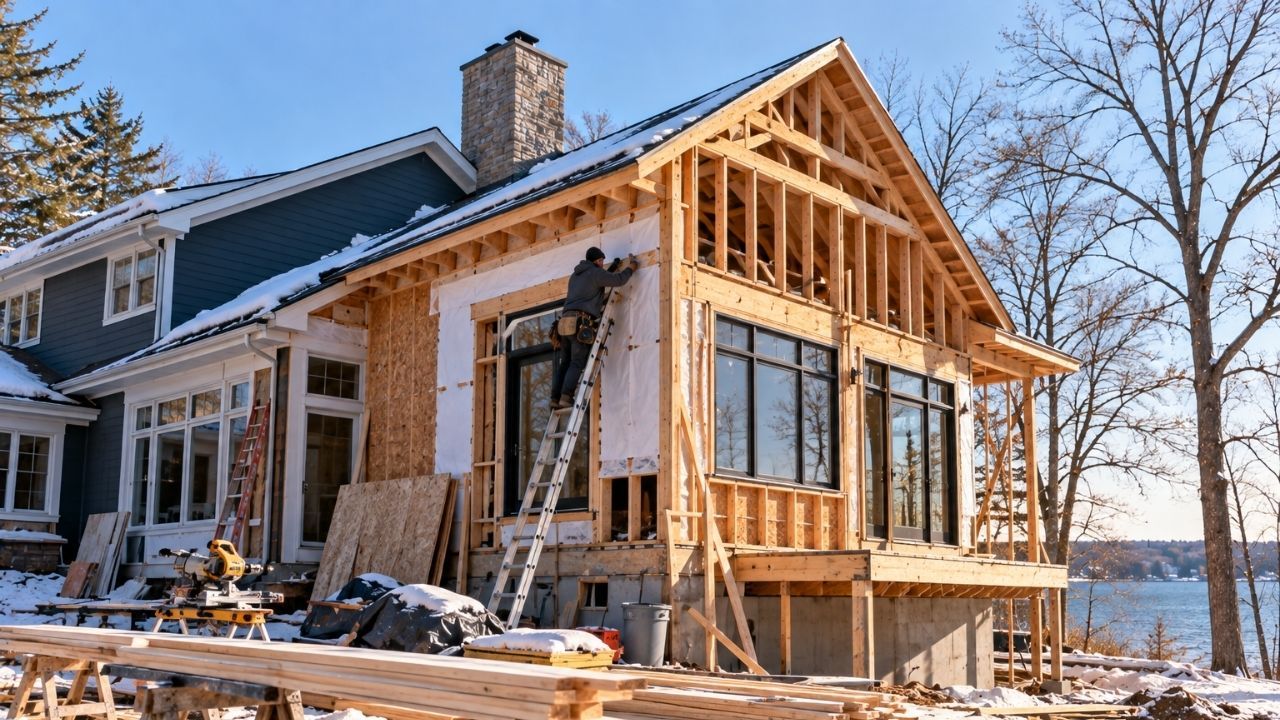
Michigan home insurance ordinance and code coverage helps protect older homes from costly code upgrades, demolition, wiring, plumbing, and compliance expenses.

Learn how Michigan home insurance covers pole barns and outbuildings, including snow, wind, hail, farm use, Coverage B limits, and key exclusions.
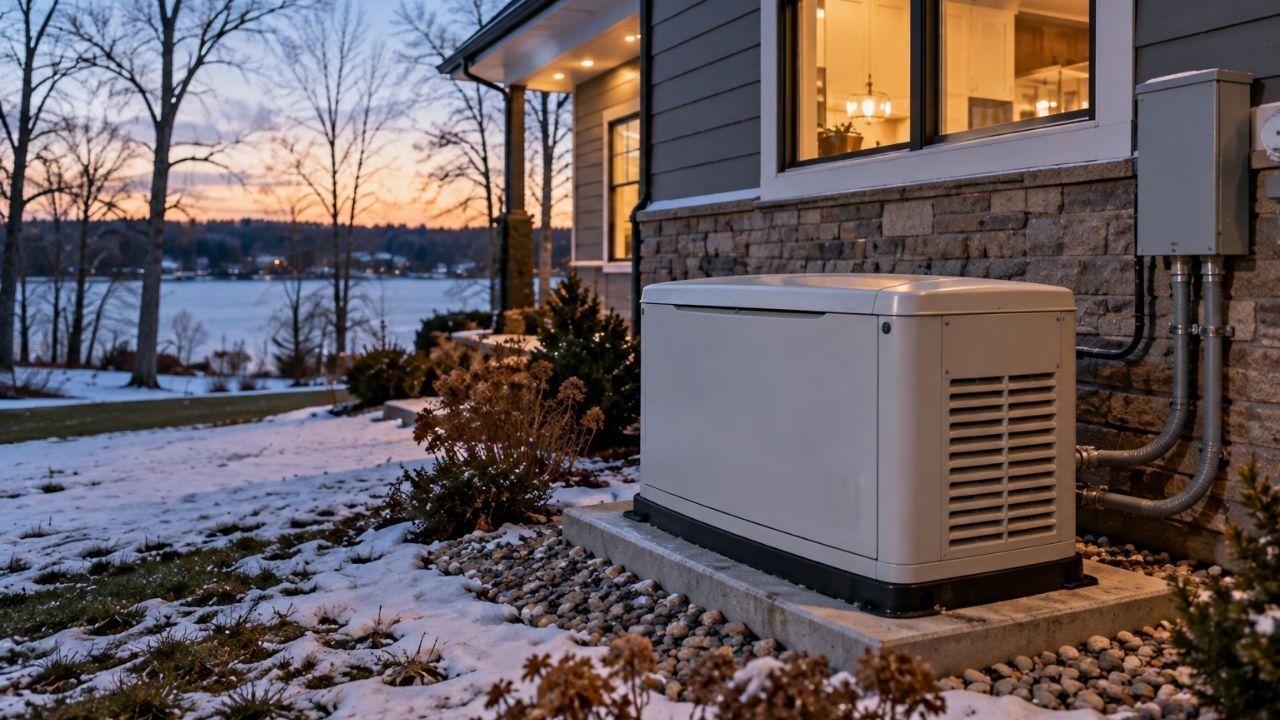
Learn how Michigan home insurance covers backup generators, including storm damage, power surges, mechanical breakdowns, and equipment coverage options.
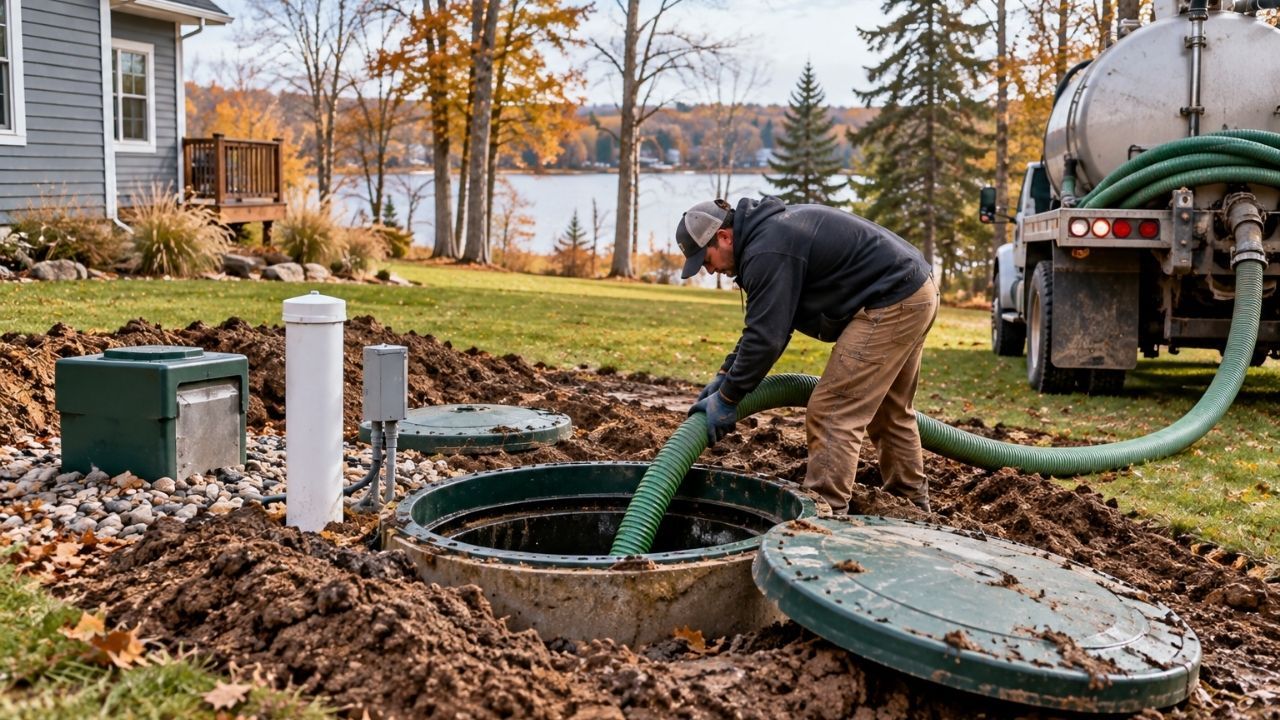
Learn how Michigan home insurance covers private wells and septic systems, including pump failures, sewage backups, service lines, and key endorsements.
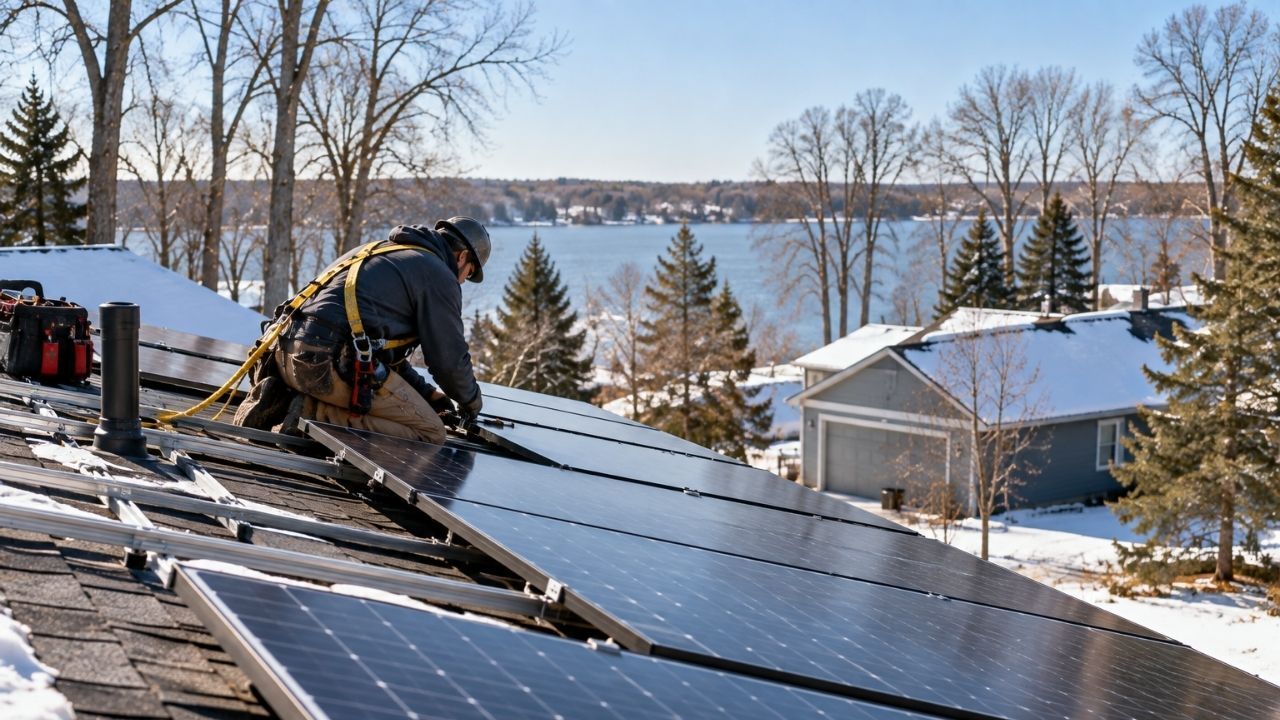
Protect your Michigan solar investment with the right home insurance coverage. Learn about panel damage, storm risks, deductibles, and coverage limits.
Protect your finished Michigan basement with the right home insurance coverage. Learn about water backup, sump pumps, flooding, egress, and coverage gaps.
Protect your Michigan detached garage or workshop with the right insurance. Learn about Coverage B, snow risks, tools, equipment, and business use.
Update your Michigan home insurance after renovations. Learn how to adjust coverage, replacement costs, and protect your investment from costly gaps.
Protect your Michigan rental with the right landlord insurance. Learn coverage options, DP-1 vs. DP-3, liability, loss of rent, and key risks.

Wilde Wealth Insurance Services provides Michigan boat insurance coverage options to protect your vessel, liability, and finances on inland and Great Lakes waters.