
Email us today!

Experience Modification | The Ultimate Guide to Lower Workers' Compensation Costs
June 21, 2023
See How We're Different
or call us: (248)-647-2500
At Oakland Insurance, we believe in the power of knowledge and its role in making the best decisions for your business. Our mission in Clarkston, Michigan, is to empower businesses with the right information about Workers Compensation and, more specifically, Experience Modification Factors. This article aims to break down this topic, elucidating its importance and how we can assist in optimizing it to your business advantage.
What is an Experience Modification Factor?
Firstly, let's discuss what an Experience Modification Factor (eMod) is. Often used interchangeably with terms such as Experience Modification Rating (EMR) or simply 'e-mod', this is a numeric representation of a company's claims history and safety record compared to other firms in the same industry. An eMod factor is a multiplier applied to your workers' compensation insurance premium. It’s calculated based on your workers' compensation premiums and claims payments over a certain period. In Michigan, and many other states, the organization responsible for eMod factor calculation is the National Council on Compensation Insurance (NCCI).
Significance of Experience Modification Factor
Every company starts with an eMod factor of 1.00. Following three complete and recorded years of experience, the eMod factor begins to fluctuate. If your eMod rises above 1.00, it indicates your company has a higher-than-average claims experience, conversely, a decrease below 1.00 signifies less-than-average claims experience. The change in your eMod factor is directly proportional to the credit or debit applied to your workers' compensation premiums. For instance, an eMod of 1.20 indicates a 20% increase (debit) in your premiums, whereas an eMod of 0.90 equates to a 10% decrease (credit). This factor can greatly influence your competitive standing, as a higher eMod might lead to your competition paying significantly less for their workers' compensation premiums.
So why is the eMod factor important? Not only does it directly influence your insurance premiums, but it also reflects your company's safety record. Businesses often need to disclose their eMod factor when bidding for jobs or projects. A high eMod factor may deter potential partners or clients, while a low eMod factor can enhance your company's reputation and marketability. Paying attention to this factor could save your company thousands of dollars and open doors to significant growth opportunities.
How We Can Help
At Oakland Insurance, we understand that navigating the world of workers' compensation and eMod factors can be daunting. That's why we're here to help. We offer comprehensive services to help you understand and manage your eMod factor. Our expertise in the Michigan business landscape, coupled with our extensive understanding of workers' compensation policies, makes us the ideal partner to guide your business.
Strategies to Lower Your eMod Factor
We provide a thorough analysis of how your current eMod factor is calculated, highlighting the key elements affecting your rating. Moreover, we offer insights into potential premium savings if your eMod factor were to be optimized. Our goal is to provide the tools and knowledge necessary for your business to reduce its eMod factor effectively.
Keeping your eMod factor low involves maintaining a robust safety program, effective loss prevention procedures, and a well-managed return-to-work plan. We can assist in setting up and maintaining these protocols. By focusing on reducing the frequency and severity of workplace incidents, we can help make your workplace safer, which directly translates into lower workers' compensation premiums.
The Calculation of an eMod Factor
Oakland Insurance is committed to helping businesses in Clarkston, Michigan, and beyond, understand and optimize their workers' compensation experience. With our help, you can turn your workers' compensation policy from an overhead expense into an investment in your company's growth and profitability. Experience Modification Factors need not be a mystery. The eMod factor takes a look at the past to anticipate the future. The calculation incorporates three full years of data, excluding the most recent year. This practice provides an accurate assessment of your business’s risk profile based on the past, and not just an isolated year, which might not be a true representation of the norm.
So, how is an eMod calculated? It's quite straightforward, the eMod compares your actual losses to the expected losses for companies in the same industry. Larger companies with larger payrolls will naturally have more claims, and this is factored in, creating a level playing field. This comparison is made amongst businesses similar in size and industry to ensure a fair assessment. For instance, a restaurant wouldn’t be compared to a construction company because their risks are different.
The eMod calculation places a greater emphasis on the frequency of claims rather than the severity. Why is this important? The frequency of accidents is more predictable than the cost of each accident. If accidents are frequent, this points to a systemic issue with safety that needs addressing.
Certain types of claims aren't included in the eMod calculation. These include denied or non-compensable claims, claims with zero medical or indemnity costs, and fully fraudulent claims.
What's crucial to remember is that your eMod is in your control. By focusing on safety, implementing a return-to-work plan, and enhancing your loss prevention measures, you can keep your eMod low and efficiently manage your workers’ compensation costs.
The Impact of eMod on Your Business Costs: A Comparative Analysis
Let’s look at two hypothetical companies. The first, XYZ Company, has a strong safety program and a commendable claims history, earning them an eMod of 0.85. This equates to a 15% discount on their workers' compensation premiums. For every dollar of insurance coverage, XYZ pays just $0.85. Contrast this with ABC Company. They have a weak safety program and a high number of claims, resulting in an eMod of 1.25. ABC pays 25% more for their workers’ compensation insurance. For every dollar of insurance coverage, ABC pays $1.25. The difference is stark and underlines the importance of a well-managed safety program.
Our Expertise and Services
At Oakland Insurance, we understand the complexities and challenges Michigan businesses face when it comes to workers’ compensation. Our expertise in the local market enables us to help our clients effectively manage their eMod factors.
Additional Services for eMod Management
Our team at Oakland will help you understand how your eMod is calculated and what it means for your business. We have the capability to run a free workers’ compensation report, which details how your current eMod is calculated and outlines potential savings if your eMod were lowered.
Further, we believe in not just reacting to claims but preventing them in the first place. Our Risk Management Center offers safety training videos, a risk management library, claim and incident tracking tools, and much more. This free service provides all the tools necessary for a business owner or executive to decrease their eMod factor.
Conclusion
We're not just your insurance provider; we are your partner. We work alongside you to ensure your workplace is safe, your workers are protected, and your insurance premiums are as low as possible. Let Oakland Insurance take the complexity out of workers' compensation. Get in touch with our team today, and let's create a safer, more profitable future for your business.
BLOG AND NEWS
Better Insurance Decisions

Michigan home insurance ordinance and code coverage helps protect older homes from costly code upgrades, demolition, wiring, plumbing, and compliance expenses.

Learn how Michigan home insurance covers pole barns and outbuildings, including snow, wind, hail, farm use, Coverage B limits, and key exclusions.
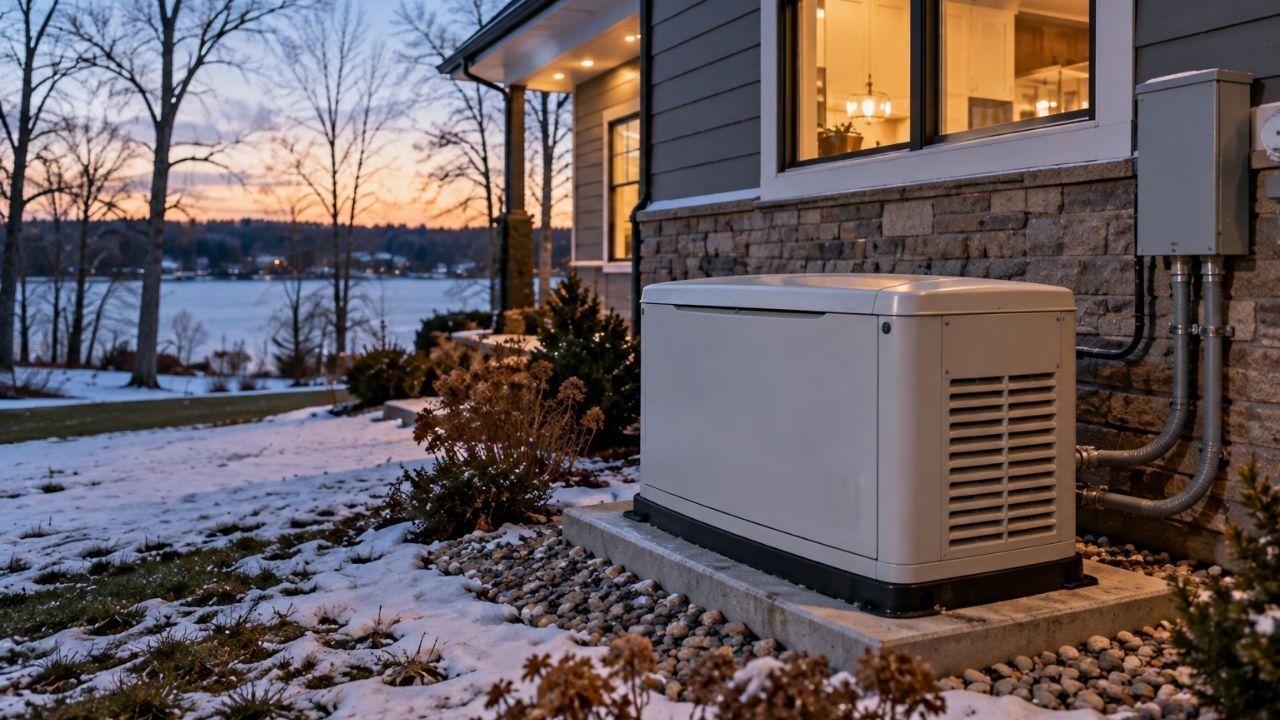
Learn how Michigan home insurance covers backup generators, including storm damage, power surges, mechanical breakdowns, and equipment coverage options.

Learn how Michigan home insurance covers private wells and septic systems, including pump failures, sewage backups, service lines, and key endorsements.

Protect your Michigan solar investment with the right home insurance coverage. Learn about panel damage, storm risks, deductibles, and coverage limits.

Protect your finished Michigan basement with the right home insurance coverage. Learn about water backup, sump pumps, flooding, egress, and coverage gaps.
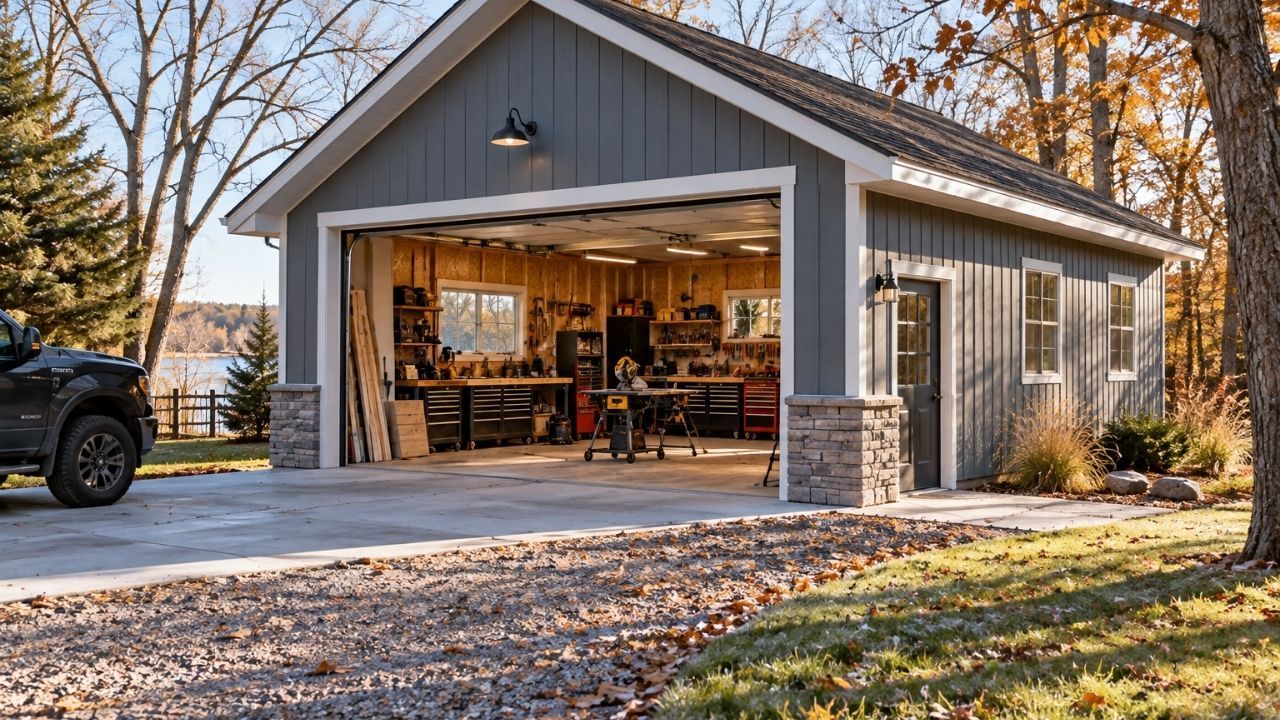
Protect your Michigan detached garage or workshop with the right insurance. Learn about Coverage B, snow risks, tools, equipment, and business use.

Update your Michigan home insurance after renovations. Learn how to adjust coverage, replacement costs, and protect your investment from costly gaps.

Protect your Michigan rental with the right landlord insurance. Learn coverage options, DP-1 vs. DP-3, liability, loss of rent, and key risks.

Wilde Wealth Insurance Services provides Michigan boat insurance coverage options to protect your vessel, liability, and finances on inland and Great Lakes waters.