
Email us today!


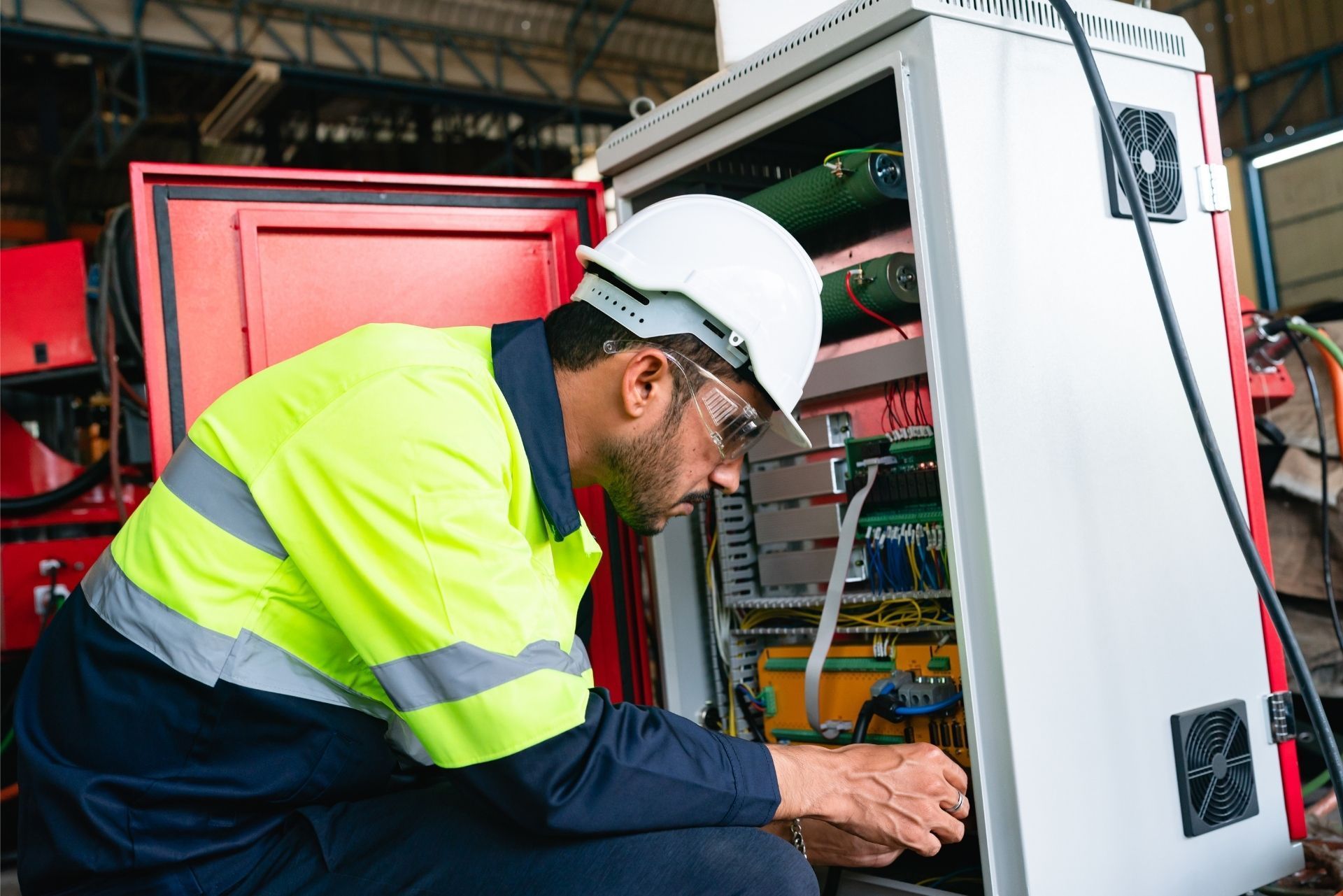
Generator technicians across Michigan face a unique set of occupational hazards that most standard business insurance policies simply do not address. From handling volatile fuels during installation to working on high-voltage
electrical systems in residential basements and commercial facilities, the risks you encounter daily require
specialized coverage tailored to your profession. Understanding Michigan generator technician insurance means recognizing that your work environment changes constantly, whether you are responding to emergency calls during a February ice storm or installing backup power systems at a lakeside cottage in the Upper Peninsula. The state's extreme weather patterns create both opportunity and exposure, as demand for your services peaks precisely when conditions become most dangerous. A single incident involving property damage, worker injury, or environmental contamination can threaten your business's financial stability and professional reputation. Michigan's regulatory environment adds another layer of complexity, with specific licensing requirements, bonding obligations, and compliance standards that vary by municipality. Your insurance portfolio must account for these variables while providing adequate protection against the claims most likely to affect generator service professionals. The following sections break down the essential coverages you need, the Michigan-specific factors that influence your risk profile, and practical guidance for securing appropriate protection at competitive rates.
Core Insurance Requirements for Michigan Generator Professionals
Every generator technician operating in Michigan needs a foundation of coverage that addresses the most common liability exposures. These core policies protect your business from the claims that occur most frequently in the field, from accidental property damage to workplace injuries.
General Liability for On-Site Property Damage
Your general liability policy serves as the first line of defense when something goes wrong during a service call. Generator installation and repair work involves significant property exposure, whether you are cutting through walls to route exhaust systems, trenching for underground fuel lines, or connecting transfer switches to existing electrical panels. A momentary lapse can result in damaged flooring, cracked foundations, or water intrusion from improperly sealed penetrations. Michigan homeowners and commercial property owners will not hesitate to pursue claims for these damages, and repair costs in the state's major metropolitan areas can quickly reach five figures. Your general liability coverage should carry limits of at least one million dollars per occurrence, with many commercial contracts requiring two million dollars or higher. The policy also covers completed operations liability, which protects you if a generator you installed causes property damage weeks or months after you leave the job site.
Michigan Workers' Compensation Compliance
Michigan law requires virtually all employers to carry workers' compensation insurance, with very limited exceptions for sole proprietors and certain family members. Generator technicians face elevated injury risks due to heavy lifting, electrical exposure, confined space work, and repetitive motion strain. A single back injury or electrical burn can generate medical bills exceeding fifty thousand dollars, plus lost wage claims that extend for months during recovery. Even if you operate as a sole proprietor, purchasing workers' compensation coverage protects you from personal financial devastation if you are injured on the job. Michigan's Workers' Disability Compensation Agency actively investigates uninsured employers, and penalties for non-compliance include fines up to one thousand dollars per day plus personal liability for all claim costs.
Commercial Auto Insurance for Service Fleets
Your service vehicles represent both essential business assets and significant liability exposure. Michigan's no-fault auto insurance system creates unique coverage requirements that differ substantially from other states. You must carry personal injury protection with unlimited lifetime medical benefits, property protection insurance of one million dollars, and residual bodily injury liability of at least two hundred fifty thousand dollars per person. Commercial auto policies for generator service vehicles should also include comprehensive and collision coverage to protect your investment in trucks, vans, and trailers. Consider adding hired and non-owned auto coverage if your technicians ever use personal vehicles for business purposes.
By: John G. Growney
President of Oakland Insurance
Specialized Coverages for Generator Installation and Repair
Beyond the foundational policies, generator technicians benefit from specialized coverages designed for the specific hazards of your trade.
Professional Liability and Errors & Omissions
Professional liability insurance protects you when a client claims your work was defective, your recommendations were flawed, or your installation failed to meet specifications. Unlike general liability, which covers physical damage, professional liability addresses financial losses resulting from your professional services. If a generator you sized fails to support a client's critical loads during an outage, or if your transfer switch installation causes equipment damage, professional liability coverage responds to these claims. Policies typically range from two hundred fifty thousand to one million dollars in coverage, with annual premiums varying based on your revenue and claims history.
Inland Marine Insurance for Tools and Testing Equipment
Generator technicians invest heavily in specialized tools and diagnostic equipment that travel with them to job sites. Inland marine insurance covers this equipment against theft, damage, and loss while in transit or at customer locations. Your standard commercial property policy likely excludes coverage for items away from your primary business location, leaving thousands of dollars in meters, analyzers, and specialty tools unprotected. A comprehensive inland marine policy covers your mobile equipment regardless of location, including coverage for items stored in service vehicles overnight.
Pollution Liability for Fuel Storage and Spills
Generator work inherently involves fuel handling, from diesel and gasoline to propane and natural gas. A fuel spill during tank installation or a leak from a generator you serviced can trigger environmental cleanup requirements that exceed one hundred thousand dollars. Standard general liability policies contain absolute pollution exclusions that eliminate coverage for these events. Contractors pollution liability insurance fills this gap, covering cleanup costs, third-party bodily injury, and property damage resulting from pollution incidents. Michigan's Department of Environment, Great Lakes, and Energy actively enforces environmental regulations, making this coverage essential for generator professionals.
Your location within Michigan significantly influences both your risk exposure and your insurance costs.
Seasonal Demand and Severe Weather Risks
Michigan's climate creates predictable surges in generator demand that coincide with the most hazardous working conditions. Winter ice storms knock out power to hundreds of thousands of residents, generating emergency service calls that require technicians to work extended hours in freezing temperatures. Summer thunderstorms produce similar demand spikes, often accompanied by lightning risks and flooded work areas. These seasonal patterns affect your insurance in two ways: increased claim frequency during peak periods and the need for adequate coverage limits to handle multiple simultaneous incidents. Your policy should account for the concentrated risk exposure that occurs during severe weather events.
State Licensing and Electrical Contractor Bonds
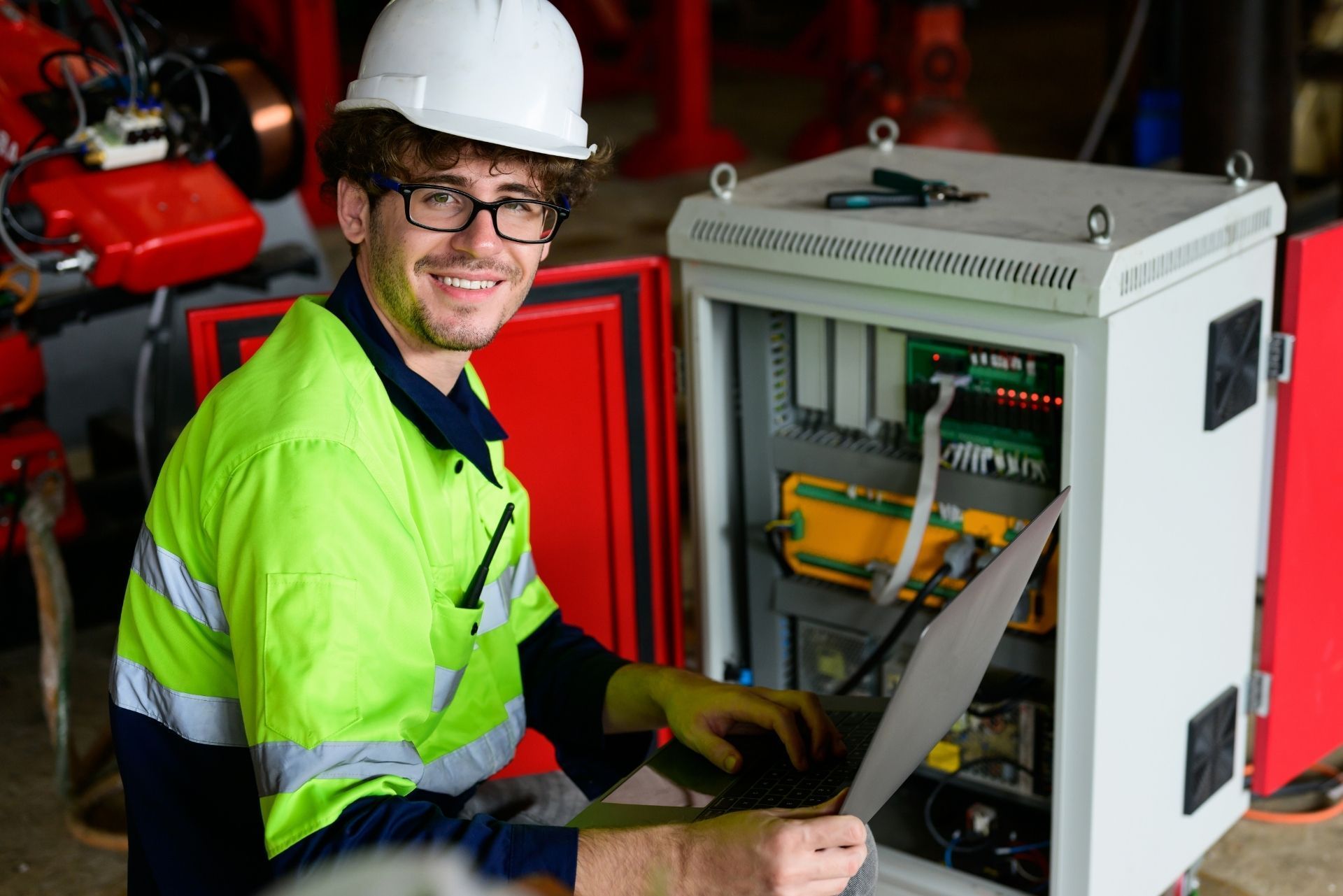
Michigan requires electrical contractors to hold appropriate licenses issued by the Bureau of Construction Codes. Generator installation work typically requires either a master electrician license or supervision by a licensed master electrician. Many municipalities also require contractors to post surety bonds ranging from five thousand to twenty-five thousand dollars, depending on the type of work and local ordinances. Your insurance agent should understand these requirements and ensure your coverage portfolio satisfies bonding prerequisites. Some insurers offer package policies that bundle general liability, workers' compensation, and surety bonds at discounted rates.
Understanding what drives your premium costs helps you make informed decisions about coverage levels and risk management investments.
Business Scale and Annual Revenue
Insurance carriers price policies based primarily on your gross annual revenue and payroll expenses. A solo technician generating one hundred fifty thousand dollars annually will pay substantially less than a company with ten employees and two million dollars in revenue. Carriers view revenue as a proxy for exposure, reasoning that higher revenue means more jobs, more time on customer property, and more opportunities for claims. Accurate revenue projections help ensure you are neither overpaying for coverage you do not need nor underinsured for your actual exposure level.
Claims History and Safety Training Records
Your loss history over the past three to five years significantly impacts premium calculations. A single large claim can increase your rates by twenty to forty percent, while a clean claims record qualifies you for preferred pricing. Documented safety training programs demonstrate your commitment to loss prevention and can reduce premiums by five to fifteen percent. Consider implementing formal safety protocols, requiring technicians to complete manufacturer training programs, and conducting regular toolbox talks on common hazards.
| Premium Factor | Low-Risk Profile | High-Risk Profile |
|---|---|---|
| Annual Revenue | Under $500,000 | Over $2 million |
| Claims History | Zero claims in 5 years | Multiple claims |
| Safety Program | Documented training | No formal program |
| Experience | 10+ years in business | Under 3 years |
| Service Area | Suburban/rural | Urban high-density |
Best Practices for Selecting a Michigan Insurance Provider
Choosing the right insurance partner requires more than comparing premium quotes. Look for carriers and agents with specific experience in contractor insurance and familiarity with generator service operations. Ask potential providers about their claims handling process, including average response times and whether they use in-house adjusters or third-party administrators. Request references from other electrical or generator contractors in Michigan. Verify that the carrier holds appropriate licensing with the Michigan Department of Insurance and Financial Services and maintains strong financial ratings from independent agencies. Consider working with an independent agent who can access multiple carriers rather than a captive agent limited to a single company's products.
Frequently Asked Questions
How much does generator technician insurance cost in Michigan? Annual premiums typically range from three thousand to twelve thousand dollars depending on your revenue, employee count, and coverage limits.
Do I need pollution liability if I only work with natural gas generators? Yes, natural gas leaks create explosion and environmental risks that standard policies exclude from coverage.
Can I exclude myself from workers' compensation as a sole proprietor? Michigan allows sole proprietors to opt out, but doing so leaves you personally responsible for all injury-related costs.
What coverage limits do commercial clients typically require? Most commercial contracts require one to two million dollars in general liability and matching limits for professional liability.
Does my homeowners policy cover tools stolen from my work truck? Homeowners policies typically exclude business property, making inland marine coverage essential for mobile equipment.
Your Path Forward
Securing appropriate insurance coverage protects your Michigan generator technician business from the financial consequences of claims that can occur despite your best efforts. The combination of core liability policies, specialized coverages for your trade, and attention to Michigan-specific requirements creates a comprehensive risk management foundation. Work with an experienced insurance professional who understands the generator service industry to build a portfolio that addresses your actual exposures without paying for unnecessary coverage. Your investment in proper insurance allows you to focus on growing your business and serving your customers with confidence.
About The Author:
John G. Growney
As President of Oakland Insurance, I bring over 25 years of experience in every aspect of the insurance industry — from customer service to sales and agency management. As a Licensed Insurance Counselor (LIC) and Certified Insurance Counselor (CIC), I’m dedicated to helping clients make confident decisions about their coverage. I earned my B.A. in Business from Michigan State University and currently live in Clarkston, Michigan with my two children and our rescue dogs.
Contact Us Page
Your Business Insurance Solutions
Workers Comp Insurance

Workers' compensation insurance is a type of insurance that provides benefits to employees who are injured or become ill as a result of their job. These benefits may include medical expenses, lost wages, and disability payments.
COMMERCIAL AUTO INSURANCE

Commercial auto insurance is a type of insurance that covers vehicles used for business purposes. This includes cars, trucks, vans and other vehicles owned by a company and used by employees for work-related activities.
PROFESSIONAL LIABILITY
Professional liability insurance, also known as errors and omissions insurance, is a type of insurance that protects businesses and individuals from financial losses resulting from claims of professional negligence or failure to perform professional duties.
BUSINESS OWNERS POLICY (BOP INSURANCE)
Business Owners Policy (BOP) insurance is a package policy that combines general liability insurance and property insurance for small and medium-sized businesses. It is designed to provide coverage for common risks such as property damage, liability claims, and business interruption.
Our Process
Oakland Insurance has an efficient, customer-focused approach when working with business owners looking for business insurance in Michigan.
1. Consultation
This begins from the moment a business owner reaches out for business insurance. Our business mindset helps us approach every consultation process as an opportunity to learn about a business and its needs, so we can recommend the best business insurance coverage that fits their situation.
2. Insurance Options
We take pride in our attention to detail: from fine-tuning insurance plans to contacting multiple competing carriers, we ensure our clients receive effective business insurance solutions tailored to their unique goals and operations.
3. Claims
We know that the claims process can be complex and time-consuming. That’s why Oakland Insurance works with clients to file and track their claims quickly and efficiently, so they can get back to running their businesses with minimal disruption.
4. Customer Service
Oakland Insurance provides ongoing support and advice to clients who have questions about their business insurance policies or need additional coverage. Our experienced team is dedicated to helping our clients make informed decisions regarding their commercial insurance needs.
Contact us today to get started!
Industries Served In Michigan
Electrician
Insurance
Electricians typically need liability insurance to protect themselves from claims of property damage or bodily injury caused by their work.
Contractor Insurance
General contractors typically need workers' compensation insurance to cover medical expenses and lost wages for any on-the-job injuries.
Carpenters Insurance
Carpenters may need workers' compensation insurance to cover medical expenses and lost wages for any on-the-job injuries.
Auto Dealer
Insurance
Automobile dealer's may need physical damage insurance to cover damages to the vehicles on their lot and garage liability insurance to cover any injuries that occur on their premises.
Commercial Buildings Insurance
Commercial building owners typically need property insurance to protect their building and contents from damage or loss due to covered perils such as fire or theft.
Hotel & Motel Insurance
Hotels & Motels typically need may also need liability insurance to protect themselves from claims of bodily injury or property damage caused by their operations, and workers' compensation insurance to cover medical expenses and lost wages for any on-the-job injuries.
Cost of Business Insurance in Michigan
The cost of business insurance in Michigan can vary depending on a number of factors, including the type of business, its size, location, and the level of coverage needed. Some of the most common types of business insurance policies in Michigan include general liability insurance, property insurance, workers' compensation, and professional liability insurance.
General liability insurance is typically required for most businesses and can protect against claims of bodily injury or property damage caused by your business operations. The cost of this coverage can range from a few hundred dollars per year for a small business to several thousand dollars per year for a larger business.
Property insurance is another important type of coverage for businesses in Michigan and can protect against damage to buildings, equipment, and inventory. The cost of this coverage can vary depending on the value of the property and the level of protection needed.
Workers' compensation is mandatory for most businesses in Michigan and can protect against claims made by employees who are injured or become ill as a result of their work. The cost of this coverage is typically based on the number of employees and their salaries.
Professional liability insurance is often required for businesses that provide professional services, such as consulting or legal advice. This type of coverage can protect against claims of negligence or errors and omissions. The cost of this coverage can vary depending on the type of business and the level of protection needed.
Overall, the cost of business insurance in Michigan can vary widely depending on the specific needs of the business. It is important to work with a reputable insurance agent who can help you determine the right coverage for your business and provide you with competitive quotes.


Why Choose Us
Oakland Insurance offers comprehensive small business liability insurance in Michigan. Our experienced team will take the time to understand a client’s needs and provide tailored solutions that meet their unique requirements.
We offer competitive rates and have access to numerous carriers, so we can work with our customers to help them get the best coverage for their budget. Our commitment to providing exceptional customer service means we are always available for advice and support when needed.
Testimonials
What Our Commercial Insurance Clients Are Saying

REQUEST A QUOTE
Speak with a Michigan Generator Technician Insurance specialist today!
Get started today!
Prefer to speak with an agent now?