
Email us today!


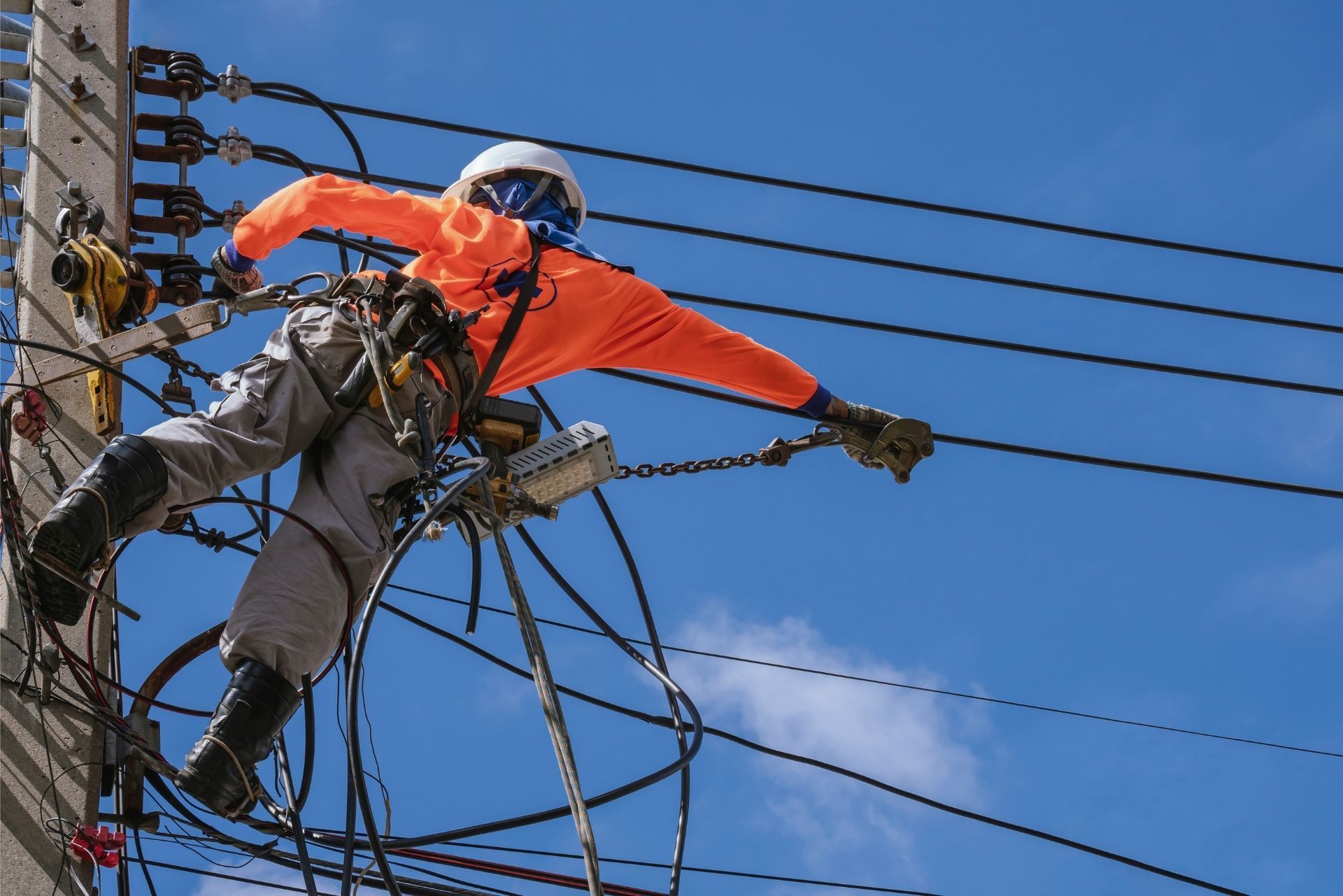
High voltage electrical work carries risks that standard contractor policies simply do not address. A single arc flash incident can generate temperatures exceeding 35,000 degrees Fahrenheit, causing catastrophic injuries and property damage that could financially devastate an uninsured or underinsured business. For electricians working with systems above 600 volts in Michigan, understanding your insurance coverage and cost options is not optional; it is essential to your survival as a contractor.
Michigan presents unique challenges for high voltage electricians. The state's extensive industrial manufacturing base, aging utility infrastructure, and harsh winter conditions create a risk profile that insurers evaluate carefully. Whether you are maintaining substations in Detroit, installing industrial power systems in Grand Rapids, or upgrading utility lines across the Upper Peninsula, your insurance needs differ significantly from those of residential electricians. This Michigan high voltage electrician insurance coverage and cost guide breaks down what you need, what it costs, and how to secure adequate protection without overpaying.
The stakes are substantial.
A single liability claim from a high voltage incident can easily exceed one million dollars when you factor in medical expenses, property damage, legal defense costs, and potential business interruption claims. Your insurance portfolio must reflect these realities while remaining
financially sustainable for your operation.
Core Insurance Requirements for Michigan High Voltage Contractors
General Liability and Professional Indemnity
General liability insurance forms the foundation of any high voltage contractor's risk management strategy. This coverage protects your business when third parties suffer bodily injury or property damage resulting from your operations. For high voltage work, carriers typically require minimum limits of one million dollars per occurrence and two million dollars aggregate, though many industrial clients and utility companies demand higher limits.
Professional liability, sometimes called errors and omissions coverage, addresses claims arising from design flaws, incorrect specifications, or faulty recommendations. If you provide engineering services, system design, or consulting alongside your installation work, this coverage becomes critical. A miscalculated load that causes equipment failure six months after project completion could trigger a professional liability claim even if your physical workmanship was flawless.
Michigan Workers' Compensation Mandates
Michigan law requires workers' compensation insurance for any business with one or more employees, with very limited exceptions. For high voltage contractors, this coverage carries particular weight because electrical injuries often result in severe burns, amputations, or fatalities. The classification codes assigned to high voltage work reflect this elevated risk, with rates substantially higher than those for standard electrical contractors.
Your workers' compensation policy must comply with Michigan's no-fault system, which provides medical benefits and wage replacement regardless of who caused the workplace injury. The state maintains specific reporting requirements and penalty structures that demand careful attention to compliance.
Commercial Auto and Fleet Coverage
High voltage contractors rely heavily on specialized vehicles to transport equipment, tools, and crews to job sites. Commercial auto insurance must cover these vehicles adequately, including any modifications made to accommodate testing equipment or materials. Michigan's no-fault auto insurance system adds complexity, requiring personal injury protection benefits that differ from most other states.
Fleet coverage becomes essential once you operate multiple vehicles. Insurers evaluate your drivers' records, vehicle maintenance programs, and routing patterns when setting premiums. Bucket trucks, cable pullers, and other
specialized equipment often require scheduled coverage to ensure full replacement value protection.
By: John G. Growney
President of Oakland Insurance
Voltage Thresholds and Risk Categorization
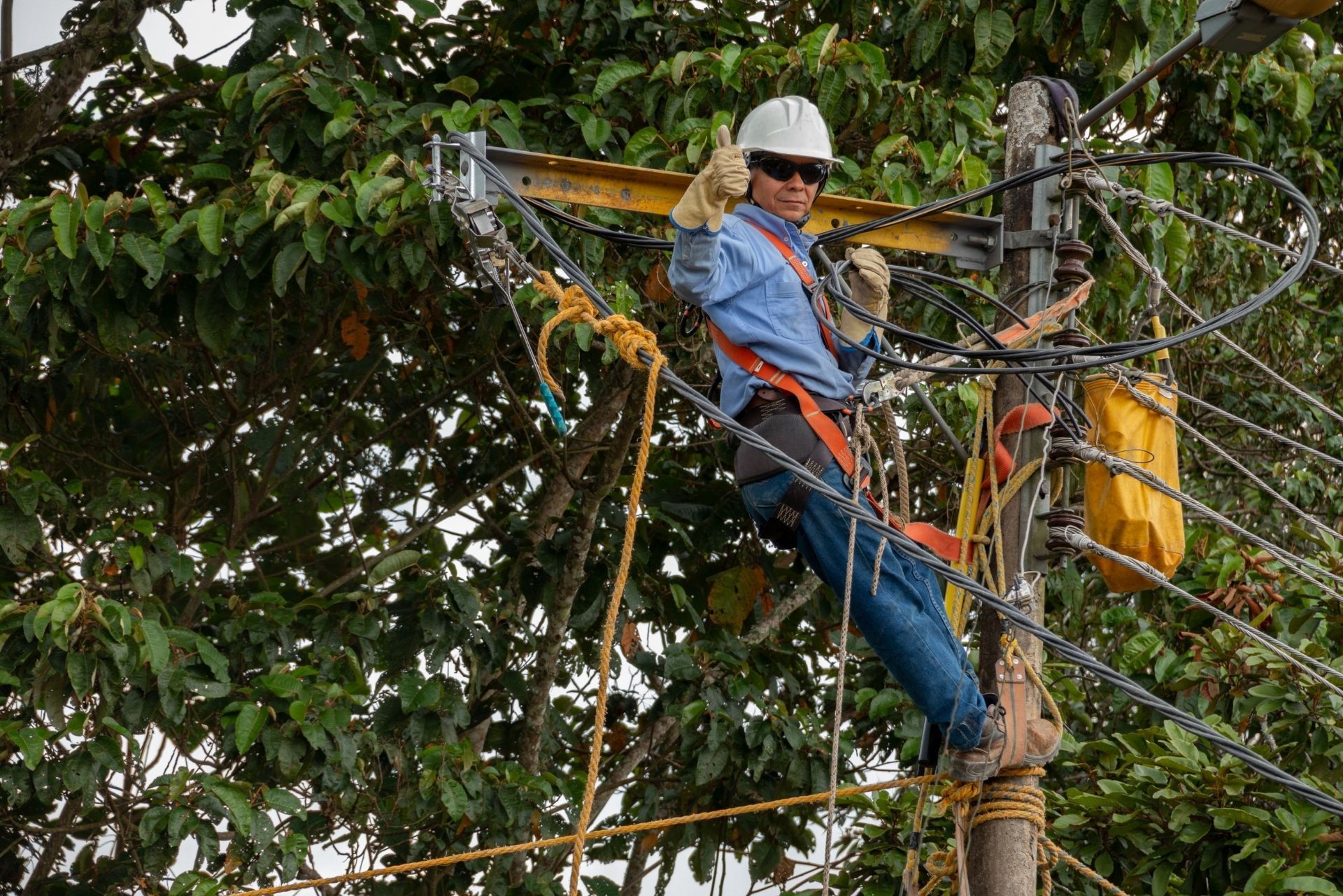
Insurance carriers segment electrical contractors into distinct risk categories based on the voltage levels they work with. The 600-volt threshold marks a significant dividing line, with work above this level commanding substantially higher premiums. Contractors handling transmission-level voltages of 69kV and above face the steepest rates due to the catastrophic potential of incidents at these levels.
Your policy application will require detailed disclosure of the voltage ranges you encounter. Misrepresenting this information can void your coverage entirely, leaving you exposed precisely when you need protection most.
Project Locations: Industrial vs. Utility Infrastructure
Where you perform your work influences your premiums significantly. Industrial facility work, while hazardous, typically occurs in controlled environments with established safety protocols. Utility infrastructure projects, particularly those involving overhead transmission lines or remote substations, present additional risks from environmental factors, limited emergency response access, and coordination challenges with other contractors.
Michigan's weather conditions factor into location-based risk assessments as well. Winter work on outdoor installations carries elevated risk, and insurers account for this in their pricing models.
Claims History and Experience Modifier Rates (EMR)
Your experience modification rate serves as a multiplier on your workers' compensation premiums, reflecting your claims history relative to similar contractors. An EMR below 1.0 indicates better-than-average safety performance and reduces your premiums, while rates above 1.0 increase your costs. For high voltage contractors, even a single serious claim can push your EMR upward for three years.
Many industrial clients and general contractors require EMRs below 0.85 or 0.90 as a condition of bidding on projects. Your claims history thus affects not only your insurance costs but also your ability to compete for lucrative contracts.
Estimated Cost Ranges for Electrical Contractors in Michigan
Small Independent Contractor Pricing
| Coverage Type | Annual Premium Range | Typical Limits |
|---|---|---|
| General Liability | $3,500 - $8,000 | $1M/$2M |
| Workers' Compensation | $4,000 - $12,000 | Statutory |
| Commercial Auto | $2,500 - $5,000 | $1M Combined |
| Professional Liability | $1,500 - $4,000 | $500K/$1M |
Independent contractors and small operations with annual revenues under $500,000 can expect total insurance costs ranging from $12,000 to $30,000 annually. The wide range reflects variations in specific work types, claims history, and coverage limits selected.
Mid-to-Large Scale Industrial Firm Premiums
Established firms with multiple crews and revenues exceeding one million dollars face proportionally higher premiums, though economies of scale provide some relief. Total insurance packages for these operations typically range from $75,000 to $200,000 annually, depending on payroll size, fleet composition, and project complexity.
Larger firms benefit from dedicated risk management resources that can negotiate more favorable terms and implement loss control measures that reduce long-term costs.
Specialized Endorsements for High-Risk Electrical Work
Pollution Liability and Hazardous Materials
High voltage electrical work frequently involves materials that carry environmental risks. Transformer oil containing PCBs, sulfur hexafluoride used in switchgear, and lead-acid batteries all present potential pollution exposures. Standard general liability policies exclude pollution claims, making separate pollution liability coverage essential for many high voltage contractors.
Michigan's environmental regulations impose strict liability for contamination cleanup, meaning you can face responsibility even without negligence. Pollution coverage protects against these exposures and typically costs between $2,000 and $8,000 annually for small to mid-sized contractors.
Inland Marine for Specialized Testing Equipment
High voltage testing equipment represents substantial capital investment. Meggers, high-pot testers, power quality analyzers, and thermal imaging cameras can easily total $50,000 to $200,000 in value. Standard property policies often exclude equipment used away from your premises, creating a dangerous coverage gap.
Inland marine insurance fills this gap, covering your equipment during transport and while deployed at job sites. Premiums typically run between one and three percent of the total equipment value insured.
Strategies to Reduce High Voltage Insurance Expenses
Safety Certification and Training Credits
Insurers reward demonstrated safety commitment with premium credits. OSHA 30-hour certifications, NFPA 70E electrical safety training, and manufacturer-specific equipment certifications all contribute to lower rates. Some carriers offer credits of five to fifteen percent for comprehensive safety programs.
Documented safety meetings, job hazard analyses, and near-miss reporting systems further demonstrate your commitment to loss prevention. These programs require investment but generate returns through both premium reductions and fewer actual claims.
Bundling Policies and Increasing Deductibles
Purchasing multiple coverages from a single carrier typically generates package discounts of ten to twenty percent. Bundling your general liability, commercial auto, and inland marine policies under one insurer simplifies administration while reducing costs.
Selecting higher deductibles transfers more risk to your business but substantially reduces premiums. A contractor comfortable absorbing the first $5,000 of a claim will pay significantly less than one requiring first-dollar coverage.
Michigan's electrical licensing requirements intersect with insurance obligations in important ways. The state requires electrical contractors to maintain liability insurance with minimum limits specified by the licensing authority. Your insurance certificates must name the appropriate state agencies and comply with specific filing requirements.
Working with an insurance agent experienced in Michigan contractor requirements helps ensure compliance. The penalties for operating without required coverage include license suspension, fines, and personal liability exposure that could threaten your personal assets.
Frequently Asked Questions
What minimum coverage do Michigan high voltage electricians need? State law requires workers' compensation for all employees and liability insurance meeting licensing board minimums. Most contracts require at least one million dollars in general liability coverage.
How does my EMR affect project eligibility? Many industrial clients require EMRs below 0.90. A high EMR can disqualify you from bidding on profitable projects regardless of your technical qualifications.
Can I reduce premiums without sacrificing coverage? Yes. Safety certifications, higher deductibles, policy bundling, and maintaining a clean claims history all reduce costs while preserving necessary protection.
Do I need pollution coverage for transformer work? If you work with oil-filled transformers, switchgear containing SF6, or other potentially hazardous equipment, pollution liability coverage is strongly recommended.
Your Next Steps
Securing appropriate insurance for high voltage electrical work requires balancing comprehensive protection against budget constraints. Start by documenting your specific work types, voltage levels, and project locations accurately. Request quotes from multiple carriers experienced in contractor insurance, and work with an agent who understands Michigan's unique requirements.
The right insurance portfolio protects your business, satisfies client requirements, and positions you competitively for growth. Taking time now to structure your coverage properly prevents costly gaps when claims arise.
About The Author:
John G. Growney
As President of Oakland Insurance, I bring over 25 years of experience in every aspect of the insurance industry — from customer service to sales and agency management. As a Licensed Insurance Counselor (LIC) and Certified Insurance Counselor (CIC), I’m dedicated to helping clients make confident decisions about their coverage. I earned my B.A. in Business from Michigan State University and currently live in Clarkston, Michigan with my two children and our rescue dogs.
Contact Us Page
Workers Comp Insurance

Workers' compensation insurance is a type of insurance that provides benefits to employees who are injured or become ill as a result of their job. These benefits may include medical expenses, lost wages, and disability payments.
COMMERCIAL AUTO INSURANCE

Commercial auto insurance is a type of insurance that covers vehicles used for business purposes. This includes cars, trucks, vans and other vehicles owned by a company and used by employees for work-related activities.
PROFESSIONAL LIABILITY
Professional liability insurance, also known as errors and omissions insurance, is a type of insurance that protects businesses and individuals from financial losses resulting from claims of professional negligence or failure to perform professional duties.
BUSINESS OWNERS POLICY (BOP INSURANCE)
Business Owners Policy (BOP) insurance is a package policy that combines general liability insurance and property insurance for small and medium-sized businesses. It is designed to provide coverage for common risks such as property damage, liability claims, and business interruption.
Our Process
Oakland Insurance has an efficient, customer-focused approach when working with business owners looking for business insurance in Michigan.
1. Consultation
This begins from the moment a business owner reaches out for business insurance. Our business mindset helps us approach every consultation process as an opportunity to learn about a business and its needs, so we can recommend the best business insurance coverage that fits their situation.
2. Insurance Options
We take pride in our attention to detail: from fine-tuning insurance plans to contacting multiple competing carriers, we ensure our clients receive effective business insurance solutions tailored to their unique goals and operations.
3. Claims
We know that the claims process can be complex and time-consuming. That’s why Oakland Insurance works with clients to file and track their claims quickly and efficiently, so they can get back to running their businesses with minimal disruption.
4. Customer Service
Oakland Insurance provides ongoing support and advice to clients who have questions about their business insurance policies or need additional coverage. Our experienced team is dedicated to helping our clients make informed decisions regarding their commercial insurance needs.
Contact us today to get started!
Industries Served In Michigan
Electrician
Insurance
Electricians typically need liability insurance to protect themselves from claims of property damage or bodily injury caused by their work.
Contractor Insurance
General contractors typically need workers' compensation insurance to cover medical expenses and lost wages for any on-the-job injuries.
Carpenters Insurance
Carpenters may need workers' compensation insurance to cover medical expenses and lost wages for any on-the-job injuries.
Auto Dealer
Insurance
Automobile dealer's may need physical damage insurance to cover damages to the vehicles on their lot and garage liability insurance to cover any injuries that occur on their premises.
Commercial Buildings Insurance
Commercial building owners typically need property insurance to protect their building and contents from damage or loss due to covered perils such as fire or theft.
Hotel & Motel Insurance
Hotels & Motels typically need may also need liability insurance to protect themselves from claims of bodily injury or property damage caused by their operations, and workers' compensation insurance to cover medical expenses and lost wages for any on-the-job injuries.
Cost of Business Insurance in Michigan
The cost of business insurance in Michigan can vary depending on a number of factors, including the type of business, its size, location, and the level of coverage needed. Some of the most common types of business insurance policies in Michigan include general liability insurance, property insurance, workers' compensation, and professional liability insurance.
General liability insurance is typically required for most businesses and can protect against claims of bodily injury or property damage caused by your business operations. The cost of this coverage can range from a few hundred dollars per year for a small business to several thousand dollars per year for a larger business.
Property insurance is another important type of coverage for businesses in Michigan and can protect against damage to buildings, equipment, and inventory. The cost of this coverage can vary depending on the value of the property and the level of protection needed.
Workers' compensation is mandatory for most businesses in Michigan and can protect against claims made by employees who are injured or become ill as a result of their work. The cost of this coverage is typically based on the number of employees and their salaries.
Professional liability insurance is often required for businesses that provide professional services, such as consulting or legal advice. This type of coverage can protect against claims of negligence or errors and omissions. The cost of this coverage can vary depending on the type of business and the level of protection needed.
Overall, the cost of business insurance in Michigan can vary widely depending on the specific needs of the business. It is important to work with a reputable insurance agent who can help you determine the right coverage for your business and provide you with competitive quotes.


Why Choose Us
Oakland Insurance offers comprehensive small business liability insurance in Michigan. Our experienced team will take the time to understand a client’s needs and provide tailored solutions that meet their unique requirements.
We offer competitive rates and have access to numerous carriers, so we can work with our customers to help them get the best coverage for their budget. Our commitment to providing exceptional customer service means we are always available for advice and support when needed.
Testimonials
What Our Commercial Insurance Clients Are Saying

REQUEST A QUOTE
Speak with a Michigan High Voltage Electrician Insurance specialist today!
Get started today!
Prefer to speak with an agent now?