
Email us today!


Dearborn residents face some of the steepest car insurance premiums in the entire Midwest, a reality shaped by Michigan's unique regulatory framework and the city's proximity to Detroit. The annual cost of auto insurance in Dearborn, Michigan
averages roughly $5,147 per year, translating to about $429 per month. That figure sits well above the national average and places a genuine financial strain on households across Wayne County. Yet the price you pay is not fixed, and understanding the forces behind your premium is the first step toward reducing it. This guide breaks down the specific factors driving Dearborn rates, outlines practical discount strategies, and compares provider types so you can secure reliable coverage without overpaying. Whether you are a long-time resident or newly relocated to the area, the information here is designed to put real dollars back in your pocket.
Understanding Auto Insurance Costs in Dearborn
Dearborn sits in one of the most expensive auto insurance markets in the country. The reasons are structural, not arbitrary, and they begin with state law.
Impact of Michigan's No-Fault Insurance Laws
Michigan operates under a no-fault insurance system, which means your own policy pays for your medical expenses after an accident regardless of who caused the collision. Before the 2019 reform law took effect, Michigan was the only state requiring unlimited lifetime personal injury protection, or PIP. That single mandate drove premiums far above the national median for decades. The 2019 reforms introduced tiered PIP options, allowing drivers to choose coverage levels ranging from $50,000 up to unlimited, and the change has produced measurable savings for many policyholders. Still, the no-fault structure means Michigan premiums carry a built-in medical cost component that states with traditional tort systems simply do not have.
Uninsured motorist rates in Michigan also remain among the highest in the nation, hovering near 20 percent. Insurers spread the cost of uninsured claims across all policyholders, which inflates premiums even for responsible drivers. For Dearborn residents, this statewide reality is compounded by local factors that push rates even higher.
Why Dearborn Rates Differ from Neighboring Detroit
Detroit consistently ranks as one of the most expensive cities in the country for car insurance, and Dearborn shares a border with it. Insurers use geographic rating territories, and Dearborn falls within a high-risk zone partly because of its adjacency to Detroit's elevated claim frequency. Vehicle theft rates, accident density, and fraud patterns in the surrounding metro area all factor into the territorial risk score assigned to your ZIP code.
That said, Dearborn's rates are generally lower than Detroit's, sometimes by 15 to 25 percent depending on the carrier. The city benefits from lower population density in certain neighborhoods, a strong municipal infrastructure, and slightly lower crime statistics. Your specific address within Dearborn matters: a home near Ford Road may carry a different rate than one closer to the Southfield Freeway corridor. Understanding this geographic nuance gives you a negotiating point when shopping for coverage.
By: John G. Growney
President of Oakland Insurance
Beyond geography, insurers weigh a range of personal and vehicle-related variables to calculate your rate. Knowing which levers you can pull gives you direct control over your costs.
The Role of Credit Score and Driving History
Michigan law permits insurers to use credit-based insurance scores as a rating factor. A driver with excellent credit can pay 40 to 60 percent less than someone with poor credit for identical coverage. If your credit score has improved since you last purchased a policy, requesting a re-quote could yield substantial savings.
Driving history carries equal weight. A single at-fault accident can raise your premium by 30 percent or more for three to five years. Moving violations, particularly speeding tickets and reckless driving charges, compound the effect. Clean driving records are rewarded with preferred-tier pricing, and some carriers offer accident forgiveness programs that prevent your first at-fault claim from triggering a rate increase. Ask about these programs explicitly, because they are not always advertised.
Vehicle Type and Safety Feature Savings
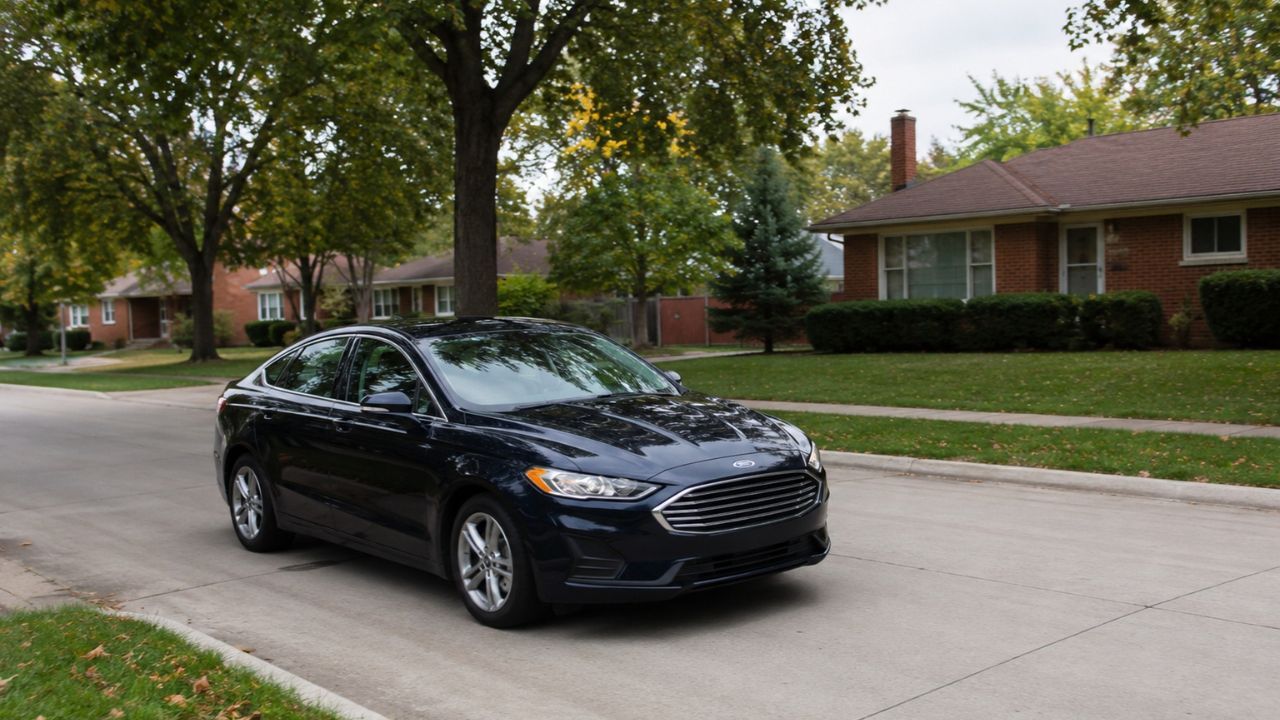
The car you drive directly affects what you pay. Vehicles with high theft rates, expensive repair parts, or poor crash-test ratings cost more to insure. In Dearborn, where Ford Motor Company has deep roots, many residents drive domestically manufactured vehicles. Ford F-150 trucks and Explorer SUVs are popular choices, and their insurance costs vary based on trim level and model year.
| Factor | Lower Premium Impact | Higher Premium Impact |
|---|---|---|
| Vehicle Age | Older models (5+ years) | Brand-new or luxury models |
| Safety Features | Automatic braking, lane assist | No advanced safety tech |
| Theft Rate | Low-theft models (e.g., Subaru Outback) | High-theft models (e.g., Dodge Charger) |
| Repair Costs | Domestic parts availability | Imported or specialty parts |
Choosing a vehicle equipped with advanced driver-assistance systems can reduce your premium by 5 to 15 percent with most carriers. If you are in the market for a new car, checking insurance cost estimates before purchasing is a smart move.r.
Top Strategies for Lowering Your Dearborn Policy Rate
Discounts are the most direct path to a lower premium, but many policyholders leave money on the table because they do not ask the right questions.
Maximizing Local and Professional Discounts
Many insurers offer affinity discounts tied to employers, alumni associations, professional organizations, and even certain residential communities. Dearborn residents who work for Ford Motor Company, the University of Michigan-Dearborn, or Beaumont Hospital may qualify for group rate reductions ranging from 5 to 15 percent. Military veterans, educators, and first responders often receive additional discounts.
Multi-vehicle discounts are another area where savings add up quickly. Insuring two or more cars on the same policy typically reduces the per-vehicle cost by 10 to 25 percent. If you have a teen driver in the household, good student discounts, usually requiring a 3.0 GPA or higher, can offset the steep surcharge that young drivers bring to a policy.
Choosing the Right PIP Choice Level
The 2019 Michigan reform law gave drivers the ability to select from multiple PIP tiers. Your options include:
- Unlimited PIP coverage (the pre-reform default)
- $500,000 in PIP coverage
- $250,000 in PIP coverage
- $50,000 in PIP coverage (available if you have qualified health insurance)
- PIP opt-out (available only if you have Medicare Parts A and B)
Dropping from unlimited to $250,000 in PIP coverage can
reduce your premium by 25 to 45 percent. However, this decision requires careful thought. If you do not have strong health insurance that covers auto accident injuries, choosing a low PIP tier could expose you to catastrophic medical bills. Review your health plan's auto-accident exclusions before selecting a reduced PIP level.
Bundling Home and Auto for Maximum Savings
Carriers consistently offer their deepest discounts to customers who bundle multiple policies. Combining your homeowners or renters insurance with your auto policy typically saves 10 to 20 percent on the auto premium alone. Some Dearborn-area agents report bundling discounts as high as 25 percent for customers who also add an umbrella liability policy.
The key is to compare the bundled price against standalone quotes from competing carriers. Bundling saves money in most cases, but not always. A carrier that offers a generous bundle discount may still have a higher base rate than a competitor. Run the numbers both ways before committing.
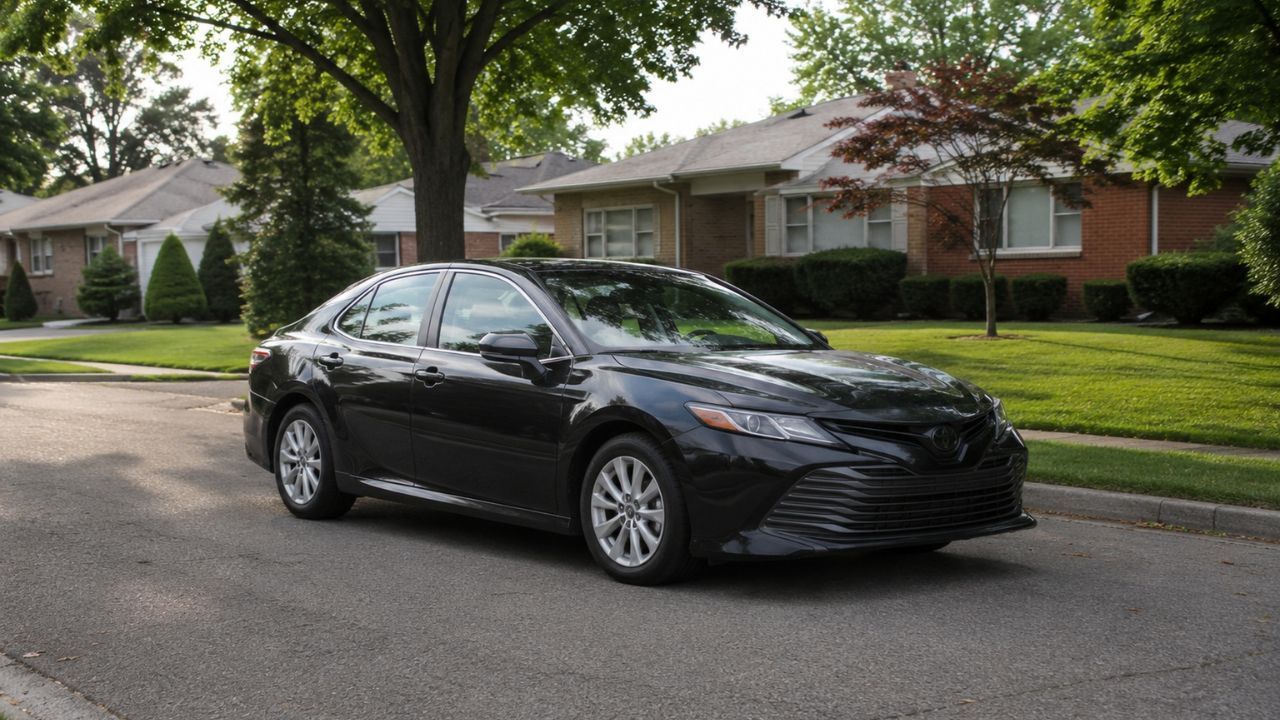
Comparing Local vs. National Insurance Providers
The insurer you choose matters just as much as the coverage you select. Dearborn residents have access to both large national brands and smaller regional agencies, and each model has distinct advantages.
Benefits of Working with Independent Dearborn Agents
Independent agents represent multiple carriers simultaneously, which means they can shop your policy across several companies in a single appointment. This is particularly valuable in a high-rate market like Wayne County, where pricing can vary by hundreds of dollars between carriers for the same coverage.
Local agents also understand Dearborn-specific risks. They know which carriers price certain ZIP codes more favorably, which companies handle Michigan no-fault claims efficiently, and which discounts are available through community partnerships. That localized knowledge is difficult to replicate through a national call center. If you prefer a relationship-based approach to insurance, an independent Dearborn agent is often your best resource.
Evaluating Direct-to-Consumer Digital Insurers
Online-only insurers like Root, Lemonade, and branch-based platforms have gained market share by offering lower overhead costs and streamlined quoting processes. For drivers with clean records and straightforward coverage needs, these platforms can sometimes beat traditional carrier pricing by 10 to 20 percent.
The trade-off is service depth. Digital insurers may not offer the same claims support or policy customization that a traditional carrier provides. Michigan's no-fault system creates complex claim scenarios, particularly around PIP medical benefits, and having an experienced claims team matters when you are dealing with long-term injury treatment. Weigh the premium savings against the level of support you are likely to need.
Maintaining Affordable Coverage Long-Term
Finding a good rate is only half the equation. Keeping your costs low over time requires active management of your policy.
Annual Policy Reviews and Shopping Around
Insurance rates shift every year as carriers adjust their risk models, and the cheapest option from two years ago may no longer be competitive. Reviewing your policy annually and requesting fresh quotes from at least three carriers is the single most effective way to prevent premium creep. Michigan drivers who shop around at each renewal cycle save an average of 10 to 15 percent compared to those who auto-renew without comparison.
During your review, confirm that your coverage limits still match your needs. If you have paid off your vehicle, you may no longer need comprehensive and collision coverage, which could save you $500 or more per year. Life changes such as marriage, a shorter commute, or a home purchase can also trigger new discount eligibility.
Utilizing Telematics and Usage-Based Programs
Telematics programs track your driving behavior through a mobile app or a small device plugged into your vehicle's diagnostic port. Carriers like Progressive's Snapshot and State Farm's Drive Safe & Save reward safe driving habits with discounts that can reach 30 percent or more. If you drive fewer than 10,000 miles per year, usage-based programs are particularly beneficial because they price your policy based on actual road exposure rather than statistical averages.
Dearborn commuters who work remotely or have short drives to local employers stand to gain the most from these programs. The data collection period typically lasts 60 to 90 days, after which your discount is applied to your renewal rate.
Frequently Asked Questions
Is auto insurance more expensive in Dearborn than the rest of Michigan? Yes. Dearborn premiums run higher than the statewide average due to its location within Wayne County and proximity to Detroit's high-claim territory. However, rates are generally 15 to 25 percent lower than Detroit itself.
Can I reduce my PIP coverage if I have health insurance through my employer? You can select a lower PIP tier if your health plan covers auto accident injuries. Review your health insurance policy carefully, because some plans exclude motor vehicle accident claims.
How often should I shop for new auto insurance quotes? At minimum, request comparison quotes every 12 months at renewal time. Major life events like moving, getting married, or paying off a car loan should also trigger a new round of quotes.
Do telematics programs actually lower premiums? They do for most drivers. Safe driving behavior and low annual mileage can produce discounts of 10 to 30 percent. If you are a cautious driver, opting in is almost always worth it.
Does my credit score really affect my car insurance rate in Michigan? Yes. Michigan allows insurers to use credit-based insurance scores, and the difference between excellent and poor credit can mean a 40 to 60 percent swing in your premium.
Affordable auto coverage in Dearborn is not a matter of luck. It is the result of informed choices about PIP levels, discount stacking, provider selection, and ongoing policy management. Start by requesting quotes from at least three carriers, including both a local independent agent and a direct-to-consumer platform. Choose your PIP tier based on your actual health insurance coverage, not just the lowest price. Bundle where it makes financial sense, and enroll in a telematics program if your driving habits support it. Review your policy every year, because the Dearborn insurance market shifts constantly and loyalty without comparison often costs you money. Take these steps now, and you will position yourself to keep your premiums manageable for years to come.
About The Author:
John G. Growney
As President of Oakland Insurance, I bring over 25 years of experience in every aspect of the insurance industry — from customer service to sales and agency management. As a Licensed Insurance Counselor (LIC) and Certified Insurance Counselor (CIC), I’m dedicated to helping clients make confident decisions about their coverage. I earned my B.A. in Business from Michigan State University and currently live in Clarkston, Michigan with my two children and our rescue dogs.
Contact Us Page
Your Business Insurance Solutions
Workers Comp Insurance

Workers' compensation insurance is a type of insurance that provides benefits to employees who are injured or become ill as a result of their job. These benefits may include medical expenses, lost wages, and disability payments.
COMMERCIAL AUTO INSURANCE

Commercial auto insurance is a type of insurance that covers vehicles used for business purposes. This includes cars, trucks, vans and other vehicles owned by a company and used by employees for work-related activities.
PROFESSIONAL LIABILITY
Professional liability insurance, also known as errors and omissions insurance, is a type of insurance that protects businesses and individuals from financial losses resulting from claims of professional negligence or failure to perform professional duties.
BUSINESS OWNERS POLICY (BOP INSURANCE)
Business Owners Policy (BOP) insurance is a package policy that combines general liability insurance and property insurance for small and medium-sized businesses. It is designed to provide coverage for common risks such as property damage, liability claims, and business interruption.
Our Process
Oakland Insurance has an efficient, customer-focused approach when working with business owners looking for business insurance in Michigan.
1. Consultation
This begins from the moment a business owner reaches out for business insurance. Our business mindset helps us approach every consultation process as an opportunity to learn about a business and its needs, so we can recommend the best business insurance coverage that fits their situation.
2. Insurance Options
We take pride in our attention to detail: from fine-tuning insurance plans to contacting multiple competing carriers, we ensure our clients receive effective business insurance solutions tailored to their unique goals and operations.
3. Claims
We know that the claims process can be complex and time-consuming. That’s why Oakland Insurance works with clients to file and track their claims quickly and efficiently, so they can get back to running their businesses with minimal disruption.
4. Customer Service
Oakland Insurance provides ongoing support and advice to clients who have questions about their business insurance policies or need additional coverage. Our experienced team is dedicated to helping our clients make informed decisions regarding their commercial insurance needs.
Contact us today to get started!
Industries Served In Michigan
Electrician
Insurance
Electricians typically need liability insurance to protect themselves from claims of property damage or bodily injury caused by their work.
Contractor Insurance
General contractors typically need workers' compensation insurance to cover medical expenses and lost wages for any on-the-job injuries.
Carpenters Insurance
Carpenters may need workers' compensation insurance to cover medical expenses and lost wages for any on-the-job injuries.
Auto Dealer
Insurance
Automobile dealer's may need physical damage insurance to cover damages to the vehicles on their lot and garage liability insurance to cover any injuries that occur on their premises.
Commercial Buildings Insurance
Commercial building owners typically need property insurance to protect their building and contents from damage or loss due to covered perils such as fire or theft.
Hotel & Motel Insurance
Hotels & Motels typically need may also need liability insurance to protect themselves from claims of bodily injury or property damage caused by their operations, and workers' compensation insurance to cover medical expenses and lost wages for any on-the-job injuries.
Cost of Business Insurance in Michigan
The cost of business insurance in Michigan can vary depending on a number of factors, including the type of business, its size, location, and the level of coverage needed. Some of the most common types of business insurance policies in Michigan include general liability insurance, property insurance, workers' compensation, and professional liability insurance.
General liability insurance is typically required for most businesses and can protect against claims of bodily injury or property damage caused by your business operations. The cost of this coverage can range from a few hundred dollars per year for a small business to several thousand dollars per year for a larger business.
Property insurance is another important type of coverage for businesses in Michigan and can protect against damage to buildings, equipment, and inventory. The cost of this coverage can vary depending on the value of the property and the level of protection needed.
Workers' compensation is mandatory for most businesses in Michigan and can protect against claims made by employees who are injured or become ill as a result of their work. The cost of this coverage is typically based on the number of employees and their salaries.
Professional liability insurance is often required for businesses that provide professional services, such as consulting or legal advice. This type of coverage can protect against claims of negligence or errors and omissions. The cost of this coverage can vary depending on the type of business and the level of protection needed.
Overall, the cost of business insurance in Michigan can vary widely depending on the specific needs of the business. It is important to work with a reputable insurance agent who can help you determine the right coverage for your business and provide you with competitive quotes.


Why Choose Us
Oakland Insurance offers comprehensive small business liability insurance in Michigan. Our experienced team will take the time to understand a client’s needs and provide tailored solutions that meet their unique requirements.
We offer competitive rates and have access to numerous carriers, so we can work with our customers to help them get the best coverage for their budget. Our commitment to providing exceptional customer service means we are always available for advice and support when needed.
Testimonials
What Our Commercial Insurance Clients Are Saying