
Email us today!

How to Lower Your Home Insurance Premium in Michigan
March 17, 2026
See How We're Different
or call us: (248)-647-2500
Michigan homeowners face a unique financial challenge each year when their insurance premiums arrive in the mail. With the state's average home insurance premium sitting around $2,195 annually, or roughly $183 per month, many residents find themselves searching for practical strategies to reduce this significant household expense. The combination of harsh winters, proximity to the Great Lakes, and aging housing stock throughout the state creates a perfect storm of risk factors that insurers carefully evaluate when setting rates. Understanding how to lower your home insurance premium in Michigan requires a comprehensive approach that addresses everything from your property's physical condition to your personal credit profile. The good news is that substantial savings are within reach for homeowners willing to invest time in understanding their policies and making strategic improvements. This guide walks you through proven methods that Michigan residents have used to reduce their premiums by hundreds of dollars annually, from structural upgrades to smart policy adjustments that align coverage with actual needs.
Understanding Michigan's Unique Home Insurance Landscape
Michigan presents a distinct set of challenges for home insurers, which directly translates into higher premiums for property owners across the state. The geographic position between multiple Great Lakes creates weather patterns that can shift dramatically within hours, bringing everything from lake-effect snowstorms to severe thunderstorms with damaging winds. Insurers operating in the Michigan market must account for these elevated risks when calculating premiums, making it essential for homeowners to understand what drives their rates upward.
Impact of Great Lakes Weather and Winter Risks
The Great Lakes influence on Michigan weather creates conditions that cause significant property damage each year. Heavy snow accumulation places tremendous stress on roofing systems, while ice dams form along eaves and cause water infiltration into attic spaces and interior walls. Freeze-thaw cycles crack foundations and damage exterior siding, while wind-driven rain finds its way into vulnerable areas around windows and doors. Insurance companies track claims data meticulously, and regions with higher frequencies of weather-related damage see correspondingly higher base rates. Homeowners in lakefront communities or areas particularly prone to lake-effect snow often pay premiums well above the state average.
How Local Fire Protection Ratings Affect Your Rate
Your home's proximity to fire protection services plays a surprisingly significant role in determining your insurance premium. Insurance companies use a standardized rating system that evaluates local fire departments based on equipment, staffing, training, and water supply availability. Homes located within five miles of a fire station with adequate hydrant access typically receive favorable ratings, while rural properties farther from emergency services may face premium increases of fifteen percent or more. Contacting your local fire department to understand your property's rating can reveal opportunities for savings, particularly if recent improvements to local services have not been reflected in your current policy.
Maximizing Policy Discounts and Bundling Options
Insurance carriers offer numerous discount programs that many Michigan homeowners overlook when reviewing their policies. Taking advantage of these programs requires proactive communication with your insurance agent and a willingness to consolidate your insurance needs with a single provider.
The Multi-Policy Discount: Combining Home and Auto
One of the most straightforward ways to reduce your insurance costs involves bundling your home insurance with other policies, which can result in discounts of ten to twenty-five percent. When you carry both homeowners and auto insurance with the same company, insurers reward this loyalty with meaningful premium reductions on both policies. The administrative efficiency of managing multiple policies for a single customer allows carriers to pass savings along while simultaneously reducing the likelihood that you will shop around for competing quotes. Consider adding umbrella liability coverage to your bundle for additional savings and enhanced protection.
Loyalty and Claims-Free Incentives
Maintaining a clean claims history demonstrates to insurers that you represent a lower risk than average, and many companies offer explicit discounts for policyholders who avoid filing claims over extended periods. Some carriers provide premium reductions of five to ten percent for homeowners who remain claims-free for three or more consecutive years. Long-term customers may also qualify for loyalty discounts that increase over time, rewarding those who maintain continuous coverage without switching providers. Ask your agent specifically about these programs, as they are not always automatically applied to your policy.
Structural Upgrades to Reduce Risk and Cost
Physical improvements to your home represent a proactive approach to lowering insurance premiums while simultaneously protecting your property from damage. These upgrades address the specific risks that concern Michigan insurers most directly.
Installing Impact-Resistant Roofing and Storm Shutters
Your roof represents the first line of defense against Michigan's severe weather, and insurers recognize the value of upgraded roofing materials. Impact-resistant shingles rated to withstand hail and wind-driven debris can qualify your home for discounts ranging from five to fifteen percent depending on your carrier. Storm shutters or impact-resistant windows provide similar protection for vulnerable openings, reducing the likelihood of interior water damage during severe weather events. When replacing your roof, request documentation of the materials used and their impact ratings to provide to your insurance company.
Modernizing Electrical, Plumbing, and Heating Systems
Older homes throughout Michigan often contain outdated systems that insurers view as elevated fire and water damage risks. Homes built before 1980 may still have aluminum wiring, galvanized steel plumbing, or aging heating systems that increase the probability of claims. Newer properties built in 2020 average $1,366 annually to insure, while older homes from 1980 cost $2,223 per year, illustrating the premium impact of aging infrastructure. Upgrading these systems not only improves your home's safety and efficiency but also demonstrates to insurers that you have addressed common failure points.
Enhancing Home Security and Fire Monitoring
Professionally monitored security systems and smoke detection equipment provide discounts while protecting your family and property. Central station monitoring that alerts both you and emergency services to intrusions or fires typically qualifies for premium reductions of three to five percent. Smart home devices that detect water leaks, monitor temperatures during winter months, and provide remote access to security cameras offer additional risk mitigation that some insurers reward with further discounts. Document your security system installation and provide monitoring certificates to your insurance agent.
Adjusting Coverage Limits and Deductibles
Strategic adjustments to your policy structure can yield immediate premium savings without necessarily reducing your protection during significant loss events.
The Math Behind Raising Your Deductible
Your deductible represents the amount you pay out of pocket before insurance coverage applies, and raising your home insurance deductible from $1,000 to $2,500 could save you up to eleven percent annually. This approach works particularly well for homeowners who maintain emergency savings and rarely file small claims. The savings accumulate year after year, while the higher out-of-pocket exposure only materializes if you experience a covered loss. Consider your financial situation carefully before making this adjustment, ensuring you could comfortably cover the higher deductible if needed.
Reviewing Personal Property and Scheduled Endorsements
Many homeowners carry more coverage than necessary for personal belongings, particularly after downsizing or as children leave the household. Conducting a thorough home inventory allows you to accurately assess your personal property coverage needs and potentially reduce limits that exceed actual values. Similarly, scheduled endorsements for jewelry, art, or collectibles should be reviewed annually to ensure valuations remain accurate. Selecting $100,000 in dwelling coverage costs an average of $527 per year, while carrying additional coverage up to $400,000 costs $1,387 annually, demonstrating how coverage levels directly impact premiums.
Improving Your Insurance Score and Credit Rating
Insurance companies in Michigan use credit-based insurance scores when calculating premiums, making your financial profile a significant factor in what you pay for coverage. Improving your credit score through responsible debt management, timely bill payments, and maintaining low credit utilization ratios can result in meaningful premium reductions over time. Review your credit reports annually for errors that may be negatively impacting your score, and dispute any inaccuracies promptly. The connection between credit and insurance premiums reflects statistical correlations that insurers have identified between financial responsibility and claims frequency.
Annual Comparison Shopping in the Michigan Market
Comparing quotes from multiple insurers is consistently recommended as one of the most effective ways to save. Insurance pricing varies significantly between carriers, even for identical coverage on the same property, because each company uses proprietary algorithms that weight risk factors differently. What one insurer views as a significant concern may matter less to another, creating opportunities for substantial savings through systematic comparison shopping.
| Coverage Level | Average Annual Premium | Monthly Cost |
|---|---|---|
| $100,000 Dwelling | $527 | $44 |
| $250,000 Dwelling | $957 | $80 |
| $400,000 Dwelling | $1,387 | $116 |
Request quotes from at least three to five carriers each year, ensuring you compare identical coverage limits and deductibles. Independent insurance agents who represent multiple companies can streamline this process while providing professional guidance on coverage adequacy.
Frequently Asked Questions
How much can I realistically save on my Michigan home insurance premium? Most homeowners who implement multiple strategies can reduce their premiums by fifteen to thirty percent, potentially saving several hundred dollars annually depending on their starting point.
Does my credit score really affect my home insurance rates in Michigan? Yes, Michigan insurers are permitted to use credit-based insurance scores when setting premiums, and homeowners with excellent credit typically pay significantly less than those with poor credit histories.
Will filing a claim always raise my premium? Filing claims, particularly multiple claims within a short period, typically results in premium increases and may affect your eligibility for claims-free discounts for several years.
How often should I shop for new home insurance quotes? Annual comparison shopping is recommended, particularly after making home improvements or experiencing life changes that might affect your risk profile.
Are there specific discounts for Michigan seniors or retirees? Some carriers offer age-related discounts for homeowners over fifty-five, particularly those who are retired and home more frequently, which reduces certain risk factors.
Your Path to Lower Premiums
Reducing your Michigan home insurance premium requires a combination of strategic policy adjustments, physical property improvements, and ongoing attention to factors within your control. Start by requesting a comprehensive policy review with your current agent to identify available discounts you may not be receiving. Prioritize upgrades that address the specific weather-related risks that drive Michigan premiums higher, and maintain the financial discipline that results in favorable credit-based insurance scores. The effort you invest in understanding and optimizing your coverage pays dividends year after year through reduced premiums and enhanced protection for your home.
BLOG AND NEWS
Better Insurance Decisions
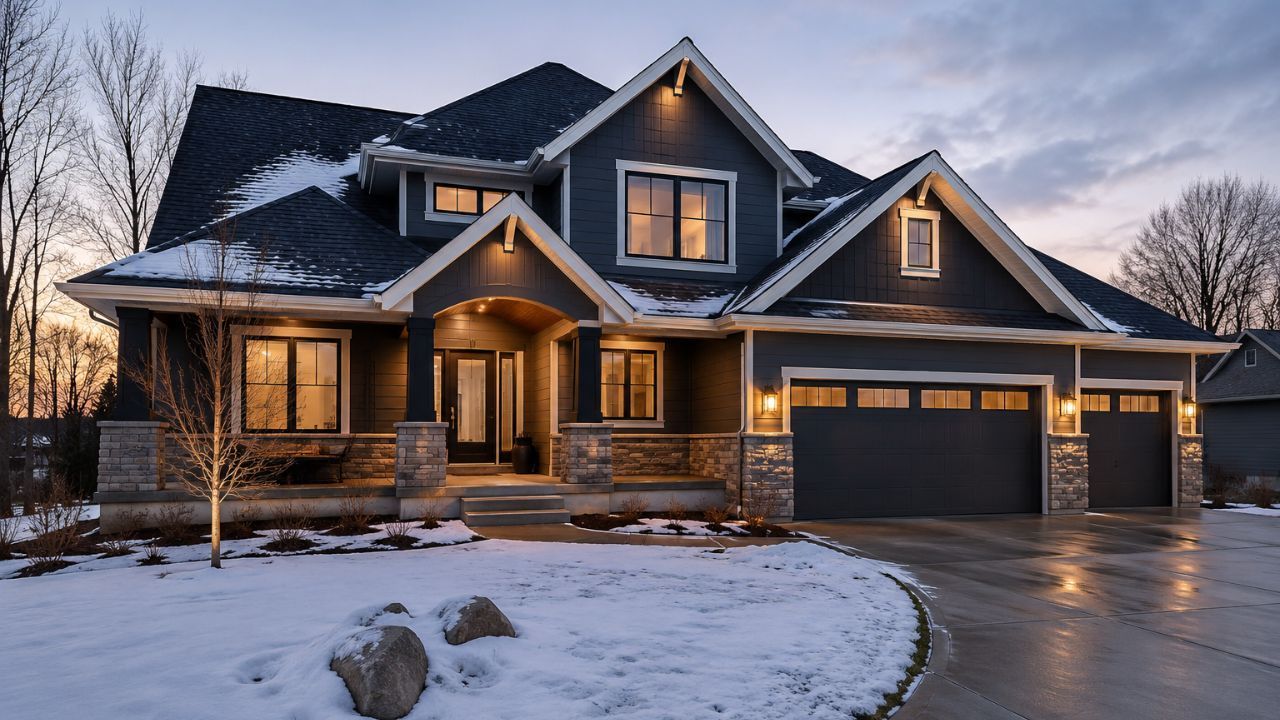
Protect your Michigan rental with the right landlord insurance. Learn coverage options, DP-1 vs. DP-3, liability, loss of rent, and key risks.

Wilde Wealth Insurance Services provides Michigan boat insurance coverage options to protect your vessel, liability, and finances on inland and Great Lakes waters.

Discover how much you can save bundling home and auto insurance in Michigan. Learn average discounts up to 25% and money-saving tips.

EV insurance in Michigan explained: costs, coverage options, PIP rules, EV discounts, and tips to save on your policy.

Michigan home insurance checklist for first-time buyers: coverage essentials, Michigan risks, pre-closing steps, and discount tips to protect your home.

How Michigan’s no-fault reform affects insurance rates, including PIP choices, MCCA fees, liability risks, and key savings opportunities under new laws.

Michigan umbrella insurance guide: understand liability risks, coverage benefits, costs, and how extra protection safeguards assets under Michigan’s laws.

Discover the average cost of car insurance in Michigan for 2026, including full vs. minimum coverage prices, city differences, and tips to lower your premium.

Discover Michigan car insurance discounts you might be missing, from PIP choices and bundling to student, telematics, and payment savings that lower premiums.
Learn whether homeowners insurance covers water damage in Michigan, including frozen pipes, floods, sewer backups, and key policy exclusions to know.