
Email us today!

Michigan First-Time Home Buyer Insurance Checklist
April 16, 2026
See How We're Different
or call us: (248)-647-2500
Purchasing your first home in Michigan is a milestone that brings equal parts excitement and responsibility. One of the most overlooked responsibilities is assembling the right insurance coverage before you reach the closing table. A first-time home buyer insurance checklist for Michigan should account for the state's unique weather patterns, its proximity to the Great Lakes, and the specific endorsements that standard policies often exclude. The average Michigan homeowners insurance premium hovers around $1,600 to $2,200 per year, depending on location, home age, and coverage limits, yet many buyers settle for a basic policy without understanding what it does and does not protect. Whether you are buying a bungalow in Grand Rapids, a colonial in Ann Arbor, or a ranch-style home near Traverse City, the insurance decisions you make now will shape your financial security for years. This guide walks through the essential coverages, Michigan-specific risks, pre-closing requirements, discount strategies, and post-purchase management steps you need to get right from the start. Think of it as your insurance roadmap, built specifically for the Michigan market.
Essentials of Michigan Homeowners Insurance
A standard Michigan homeowners policy, typically an HO-3 form, covers your dwelling, personal belongings, liability claims, and additional living expenses if your home becomes uninhabitable. Understanding the core components of this policy is the first step toward making informed coverage decisions rather than simply accepting the default limits your lender requires.
Understanding Dwelling and Personal Property Limits
Your dwelling limit should reflect the full replacement cost of your home, not its market value or purchase price. Replacement cost represents what it would take to rebuild the structure from the ground up using similar materials and labor at current prices. In Michigan, construction costs can range from $150 to $250 per square foot depending on the region, so a 1,800-square-foot home might require $270,000 to $450,000 in dwelling coverage.
Personal property coverage typically defaults to 50 to 70 percent of your dwelling limit. That means if your dwelling coverage is $300,000, your belongings are insured for $150,000 to $210,000. Take a home inventory before closing. Document electronics, furniture, clothing, and appliances with photos and receipts. If you own high-value items such as jewelry, musical instruments, or art, you will likely need a scheduled personal property endorsement because standard sub-limits on these categories are often capped at $1,500 to $2,500 per item.
Liability Protection for Michigan Property Owners
Liability coverage protects you if someone is injured on your property or if you accidentally cause damage to someone else's property. Most standard policies start at $100,000 in liability coverage, but insurance professionals consistently recommend carrying at least $300,000 to $500,000. The reason is straightforward: a single slip-and-fall claim can easily exceed $100,000 in medical bills and legal fees.
Michigan's icy sidewalks and snow-covered driveways create above-average premises liability exposure during winter months. If a delivery driver or neighbor slips on your walkway, you could face a claim. Medical payments coverage, a smaller sub-limit typically set at $1,000 to $5,000, pays minor injury expenses regardless of fault and can prevent small incidents from becoming lawsuits. For buyers with significant assets, an umbrella policy starting at $1 million in additional liability coverage usually costs between $150 and $300 per year, which is a modest price for substantial protection.
Navigating Michigan-Specific Coverage Needs
Michigan's geography and climate create insurance exposures that buyers in other states rarely encounter. Your insurance checklist for a Michigan home purchase must address water damage risks, flood exposure, and winter weather perils that standard policies handle inconsistently.
Water Back-up and Sump Pump Failure Endorsements
Standard homeowners policies exclude damage caused by water that backs up through sewers, drains, or sump pumps. This is a critical gap in Michigan, where heavy spring rains and aging municipal sewer systems frequently cause basement flooding. The endorsement typically costs $50 to $150 per year and provides $5,000 to $25,000 in coverage. Given that a single basement flood can cause $10,000 or more in damage to finished spaces, this endorsement should be considered mandatory rather than optional.
Ask your agent whether the endorsement covers both sewer backup and sump pump overflow, as some policies treat these as separate perils. If the home you are purchasing has a finished basement, request at least $10,000 in water backup coverage.
Flood Insurance Requirements in Great Lakes Regions
Homeowners insurance does not cover flood damage, period. If your new home sits within a FEMA-designated Special Flood Hazard Area, your mortgage lender will require a separate flood insurance policy through the National Flood Insurance Program or a private flood insurer. Communities along Lake Michigan, Lake Huron, Lake Erie, and the many inland lakes throughout the state may fall within these zones.
Even if your property is not in a high-risk zone, consider that roughly 25 percent of all flood claims come from moderate- and low-risk areas. A Preferred Risk Policy through the NFIP can cost as little as $400 to $600 per year and provides up to $250,000 in building coverage. Flood policies have a 30-day waiting period, so do not wait until storm season to act.
Winter Weather and Ice Dam Protection
Michigan winters bring heavy snowfall, sustained freezing temperatures, and the persistent threat of ice dams. An ice dam forms when heat escaping through your roof melts snow, which then refreezes at the eaves and forces water under shingles and into your home. The resulting interior water damage is generally covered under a standard HO-3 policy, but the cost to remove the ice dam itself often is not.
Wind-driven snow that enters through a damaged roof is typically covered, but gradual leaks caused by poor insulation or ventilation may be excluded as a maintenance issue. Before closing, have your home inspector evaluate the attic insulation, ventilation, and roof condition. Homes with R-49 or higher attic insulation and proper soffit venting are far less susceptible to ice dam formation, which directly reduces your claim risk and can influence your premium.
The Pre-Closing Insurance Checklist
Your lender will not fund the mortgage without proof of homeowners insurance. Timing and documentation matter here, and missing a deadline can delay or derail your closing.
Securing an Effective Date for Mortgage Approval
Most lenders require your insurance policy to be bound and effective on or before the closing date. You should begin shopping for quotes at least two to three weeks before your scheduled closing. When you bind the policy, the insurer will issue an Evidence of Insurance or a declarations page, which your lender and title company will need to verify coverage.
Your lender will typically require that the dwelling coverage meets or exceeds the loan amount, and many prefer replacement cost coverage. Confirm the effective date matches your closing date precisely. If closing is delayed, contact your agent to adjust the effective date so you are not paying for coverage on a home you do not yet own.
Reviewing the CLUE Report for Property History
A Comprehensive Loss Underwriting Exchange report, commonly called a CLUE report, contains up to seven years of insurance claims filed on a property. You can request this report from LexisNexis, and doing so before closing gives you visibility into past water damage claims, theft incidents, fire losses, or liability events associated with the home.
A property with multiple prior claims may carry higher premiums or even face difficulty obtaining coverage from certain insurers. If the CLUE report reveals a pattern of water damage claims, for example, that should prompt further investigation into the plumbing, foundation, and drainage before you finalize the purchase. This report is one of the most underused tools available to first-time buyers in Michigan.
Maximizing Discounts for First-Time Buyers
Insurance premiums are not fixed. Several discount strategies can reduce your annual cost by 10 to 30 percent without sacrificing coverage quality.
Bundling Home and Michigan No-Fault Auto Insurance
Michigan operates under a no-fault auto insurance system, which historically has produced some of the highest auto premiums in the country. Bundling your homeowners and auto policies with the same carrier often yields a multi-policy discount of 10 to 25 percent across both lines. For a first-time buyer already paying $2,000 or more per year for Michigan auto insurance, a bundling discount can produce meaningful savings.
| Discount Type | Typical Savings | Requirements |
|---|---|---|
| Multi-policy bundle | 10-25% | Home + auto with same carrier |
| New home discount | 5-15% | Home built within last 10 years |
| Claims-free discount | 5-20% | No claims in past 3-5 years |
| Protective device credit | 5-15% | Alarm, deadbolts, smoke detectors |
| Higher deductible | 10-25% | Increase from $1,000 to $2,500 |
Safety and Security System Credits
Installing a monitored burglar alarm, smoke detectors, a fire extinguisher system, or a water leak detection system can each qualify you for premium credits. A centrally monitored alarm system typically earns the largest discount, often 5 to 15 percent. Smart home water sensors that automatically shut off the main water supply upon detecting a leak are increasingly recognized by insurers and can earn separate credits.
Before purchasing security equipment, ask your insurer which specific devices qualify for discounts. Not all carriers recognize the same systems, and the discount may require proof of professional monitoring rather than a self-monitored setup.
Managing Your Policy Post-Purchase
Your insurance responsibilities do not end at closing. Active policy management protects you from coverage gaps and ensures your premiums stay competitive.
Understanding Your Escrow Account and Payments
Most first-time buyers in Michigan pay their homeowners insurance through an escrow account managed by their mortgage servicer. Your monthly mortgage payment includes a portion allocated to insurance premiums, and the servicer pays the insurer directly when the annual premium comes due. Your lender may also require one to two months of escrow reserves at closing.
Review your annual escrow statement carefully. If your premium increases, your monthly payment will rise accordingly. If you believe your premium is too high, you have the right to shop for a new policy at any time, even if your payments run through escrow. Simply provide your lender with the new policy declarations page, and the servicer will update the escrow disbursement.
Annual Reviews and Updating Coverage Limits
Conduct a thorough policy review every 12 months. Home values, construction costs, and personal property accumulation change over time, and your coverage limits should reflect those changes. A renovation that adds a bathroom or finishes a basement can increase your home's replacement cost by $20,000 to $50,000 or more.
Request updated replacement cost estimates from your insurer or an independent appraiser. Compare quotes from at least three carriers each year, because loyalty does not always equal the best rate. If you have made no claims, your bargaining position with competing insurers is strong. Keep your home inventory current and store a digital copy outside the home, whether in cloud storage or with a trusted family member.
Your Path to a Fully Protected Michigan Home
Getting your Michigan home insurance right from the beginning saves you from costly surprises down the road. The checklist is straightforward: secure proper dwelling and liability limits, add water backup and flood endorsements where needed, prepare for winter-specific perils, bind your policy before closing, and review the CLUE report. After closing, manage your escrow payments attentively and revisit your coverage annually.
A well-constructed first-time home buyer insurance checklist tailored to Michigan accounts for the state's unique climate, its no-fault auto system for bundling opportunities, and the seasonal risks that standard policies often leave uncovered. Take the time to work with an agent who understands Michigan-specific exposures, compare at least three quotes, and treat your insurance policy as a living document that evolves with your home and your life.
Frequently Asked Questions
Do I need flood insurance if my Michigan home is not in a flood zone? Your lender will not require it, but roughly one in four flood claims originate outside high-risk zones. A Preferred Risk Policy through the NFIP can cost as little as $400 per year and is worth considering.
How soon before closing should I buy homeowners insurance? Start shopping two to three weeks before your closing date. You need a bound policy with a declarations page ready for your lender before the closing can proceed.
Is ice dam damage covered by a standard Michigan homeowners policy? Interior water damage from ice dams is generally covered, but the cost to remove the ice dam itself is often excluded. Check your policy language and consider preventive measures like proper attic insulation.
Can I switch insurance companies after closing? Yes. You can change carriers at any time. Provide your new declarations page to your mortgage servicer, and they will update the escrow disbursement to the new insurer.
What is a CLUE report, and why should I request one? A CLUE report shows up to seven years of insurance claims on a property. Reviewing it before closing helps you identify past damage, potential coverage issues, and properties that may carry higher premiums.
Does bundling home and auto insurance always save money in Michigan? Not always, but it frequently does. Michigan's high auto insurance premiums make multi-policy discounts particularly valuable, often saving 10 to 25 percent across both policies.
BLOG AND NEWS
Better Insurance Decisions
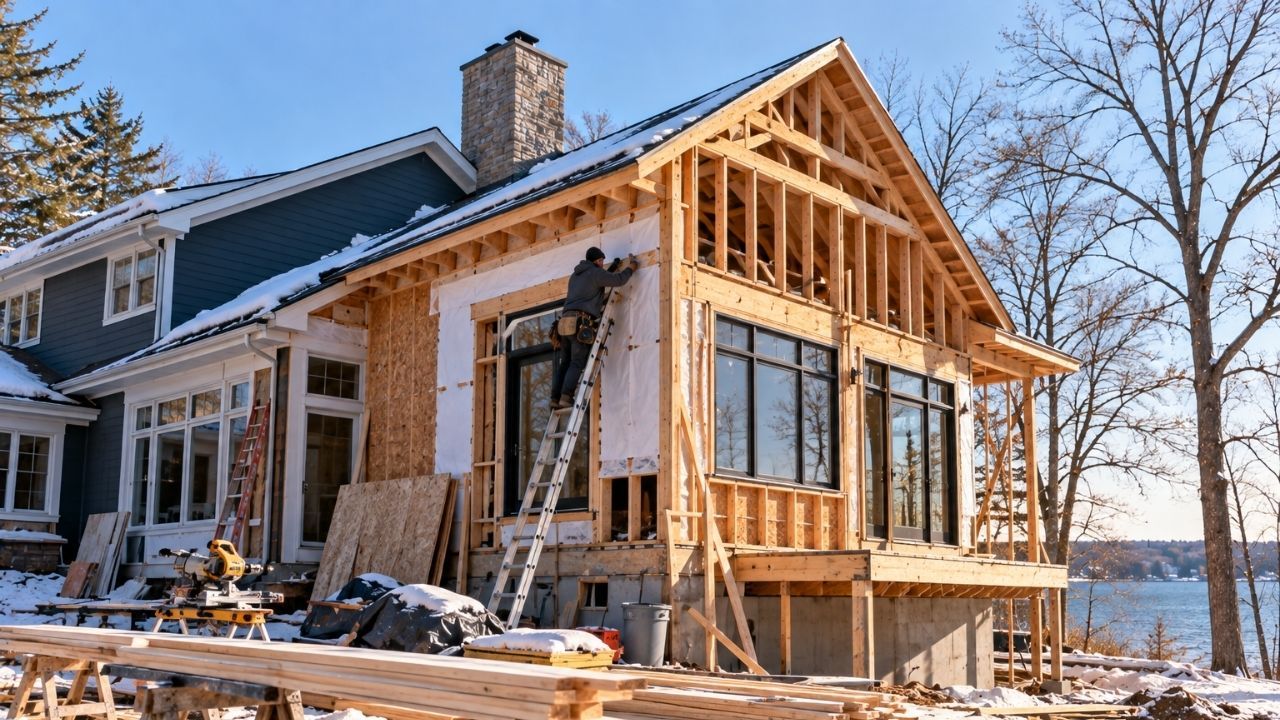
Michigan home insurance ordinance and code coverage helps protect older homes from costly code upgrades, demolition, wiring, plumbing, and compliance expenses.

Learn how Michigan home insurance covers pole barns and outbuildings, including snow, wind, hail, farm use, Coverage B limits, and key exclusions.
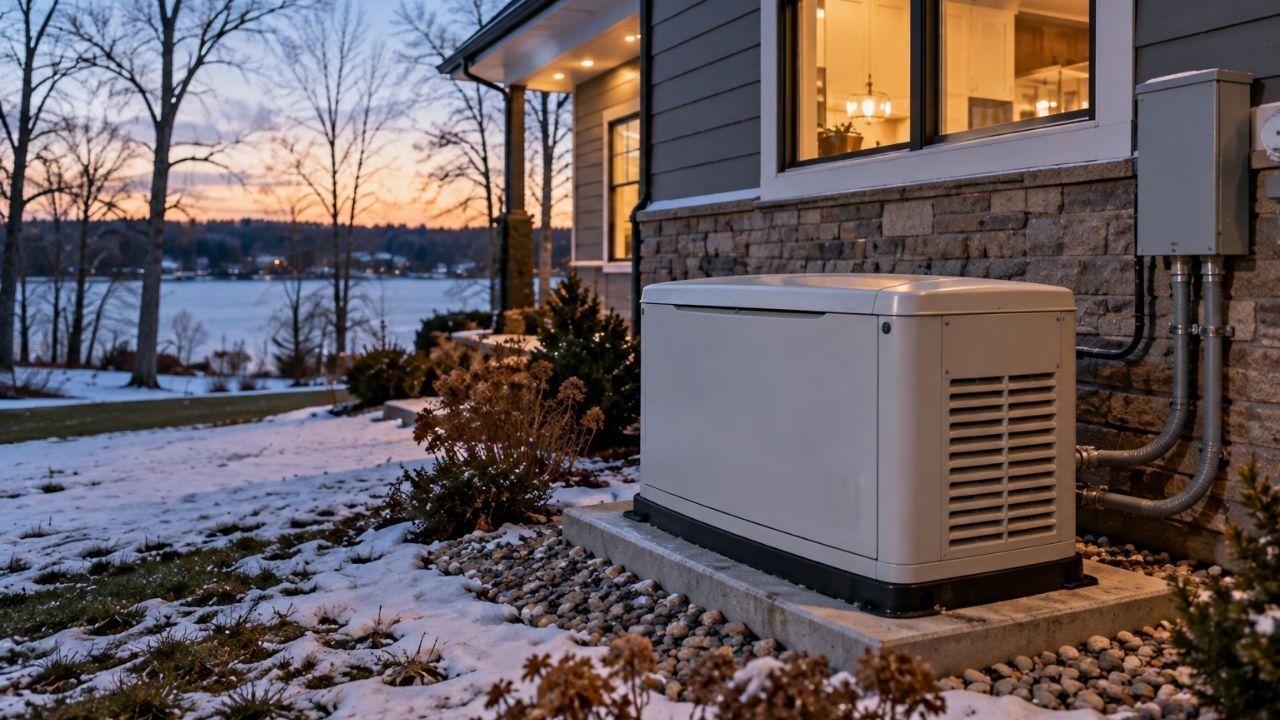
Learn how Michigan home insurance covers backup generators, including storm damage, power surges, mechanical breakdowns, and equipment coverage options.
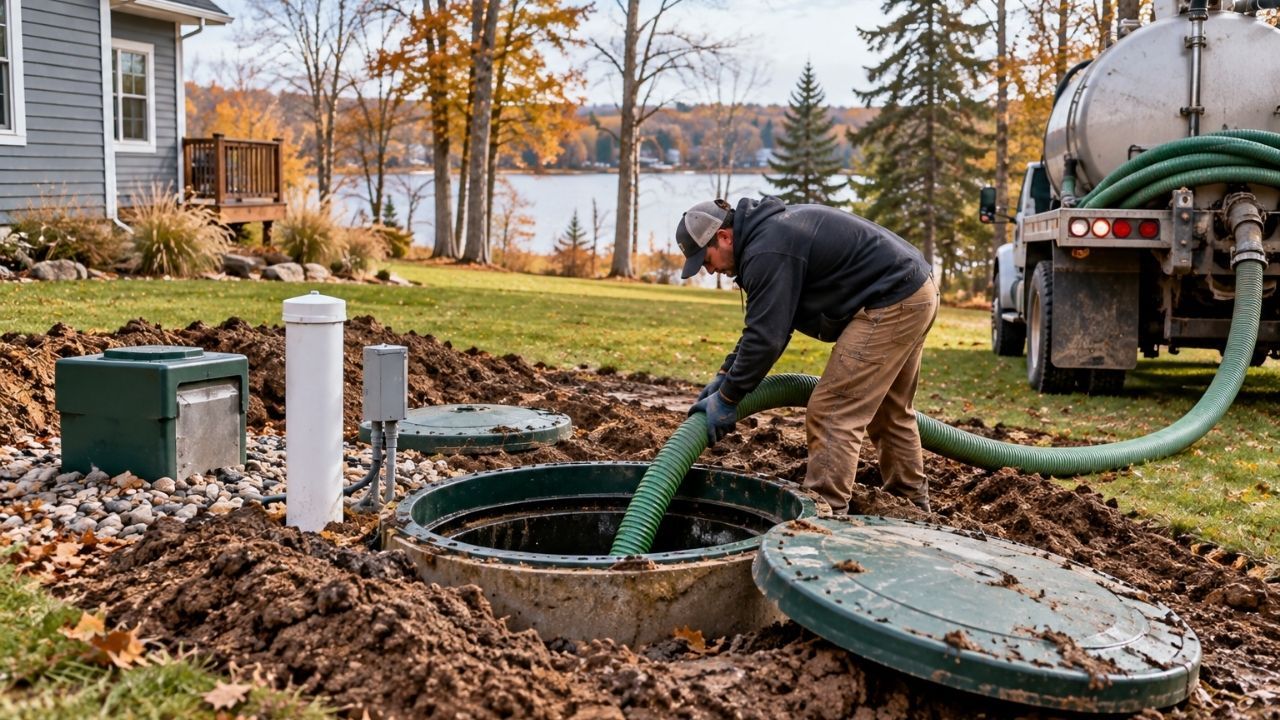
Learn how Michigan home insurance covers private wells and septic systems, including pump failures, sewage backups, service lines, and key endorsements.
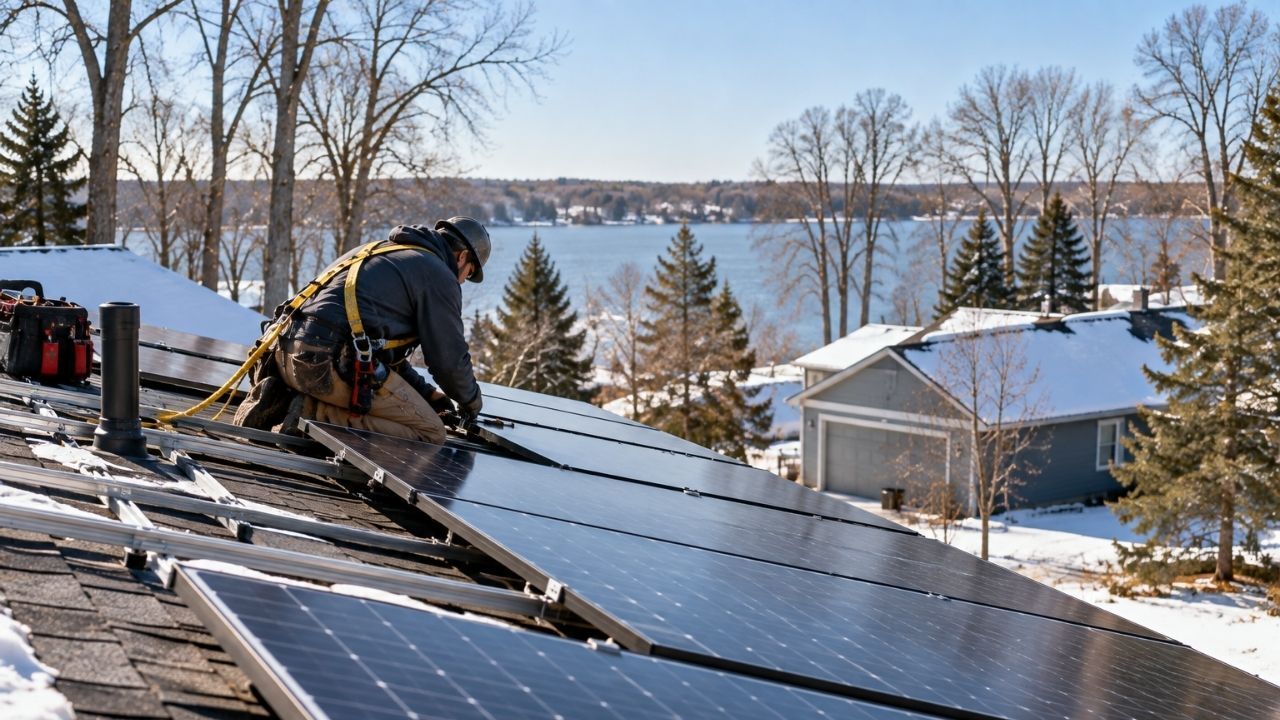
Protect your Michigan solar investment with the right home insurance coverage. Learn about panel damage, storm risks, deductibles, and coverage limits.
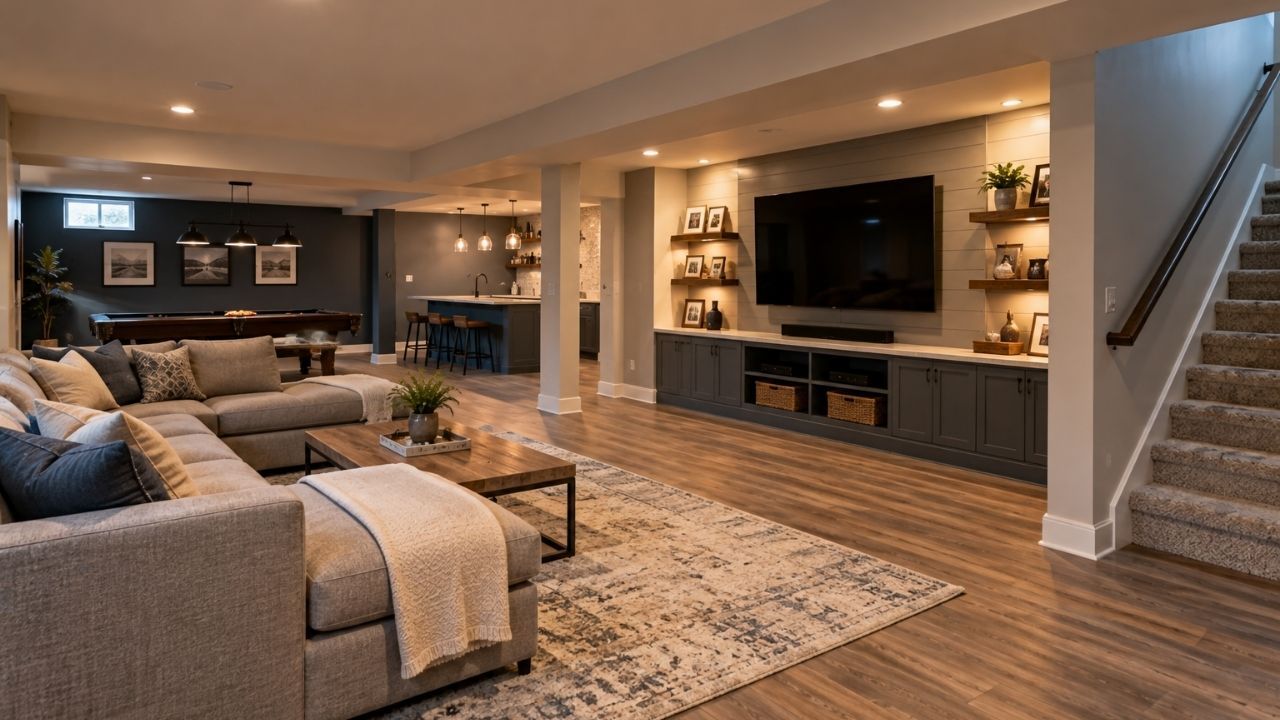
Protect your finished Michigan basement with the right home insurance coverage. Learn about water backup, sump pumps, flooding, egress, and coverage gaps.
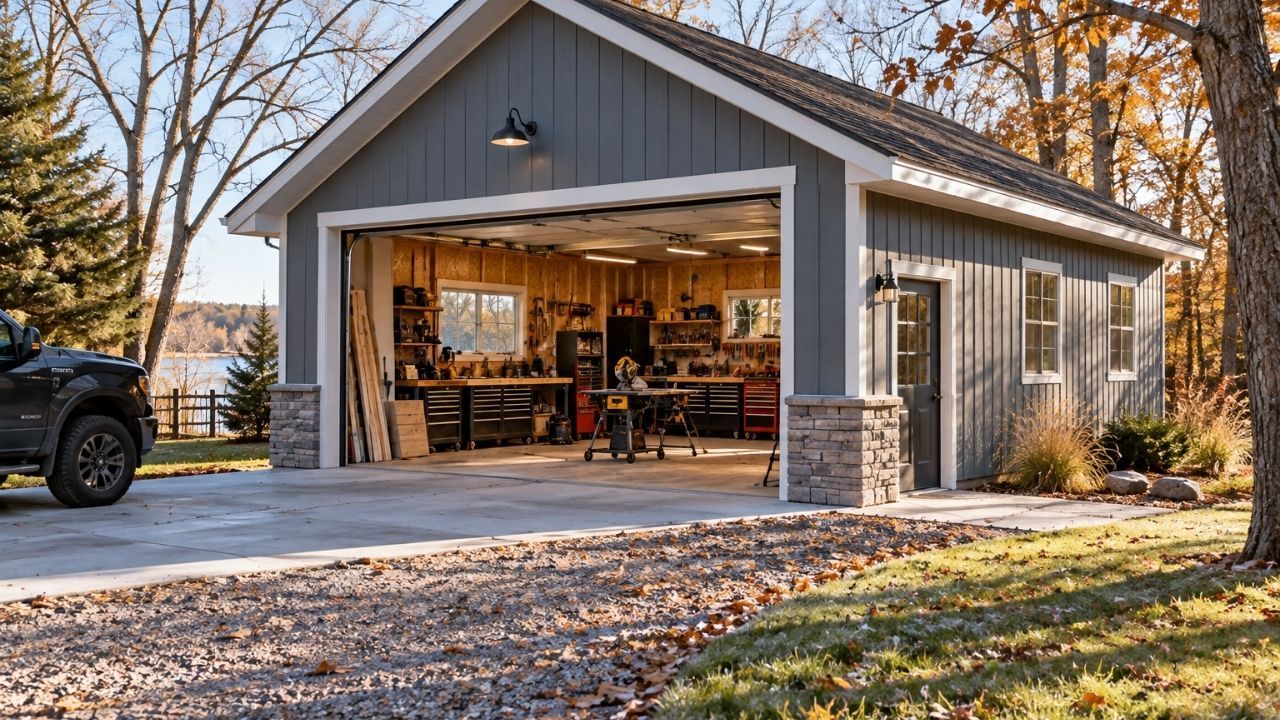
Protect your Michigan detached garage or workshop with the right insurance. Learn about Coverage B, snow risks, tools, equipment, and business use.
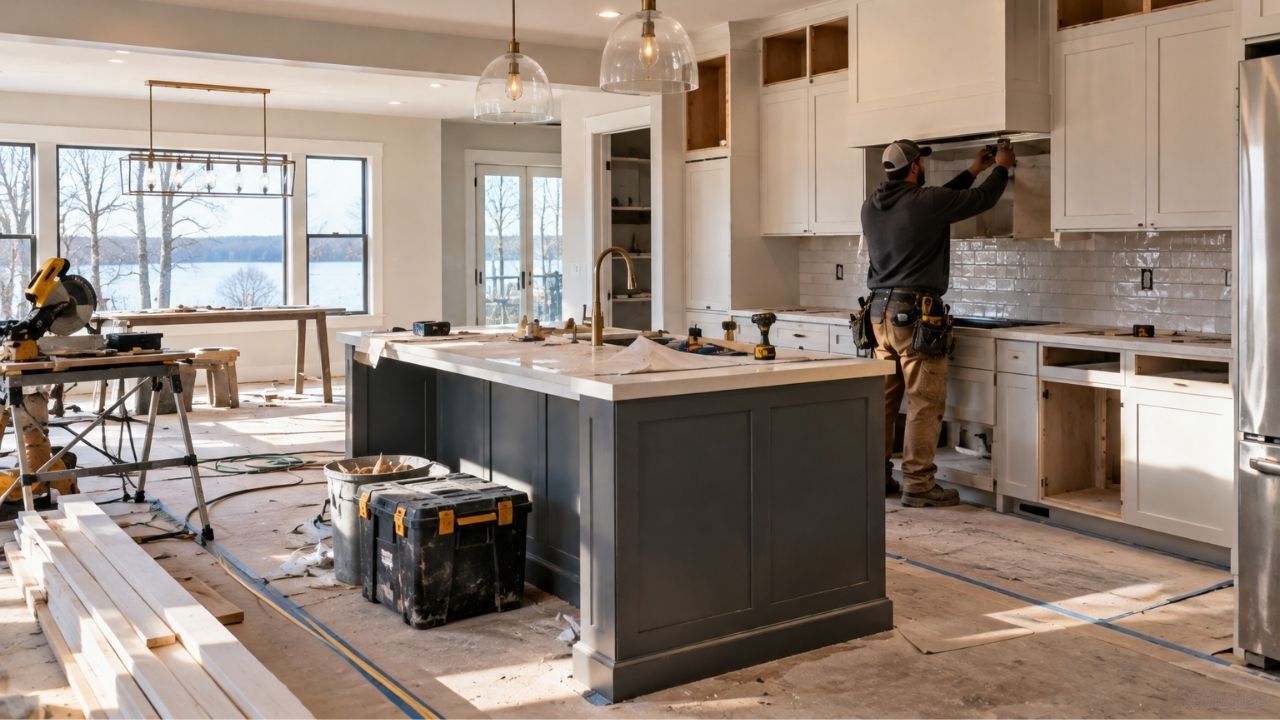
Update your Michigan home insurance after renovations. Learn how to adjust coverage, replacement costs, and protect your investment from costly gaps.
Protect your Michigan rental with the right landlord insurance. Learn coverage options, DP-1 vs. DP-3, liability, loss of rent, and key risks.

Wilde Wealth Insurance Services provides Michigan boat insurance coverage options to protect your vessel, liability, and finances on inland and Great Lakes waters.