
Email us today!

Electric Vehicle Insurance in Michigan: A Guide for Owners
April 16, 2026
See How We're Different
or call us: (248)-647-2500
Michigan ranks among the most expensive states in the country for auto insurance, with average annual premiums hovering near $3,000 for conventional vehicles. For electric vehicle owners, that figure can climb even higher. The combination of Michigan's unique no-fault insurance system, costly EV repair parts, and specialized battery technology creates a pricing environment that demands careful attention from anyone who owns or plans to purchase an electric car in the state.
Understanding electric vehicle insurance in Michigan is not simply about finding the lowest quote. It requires a clear grasp of how the state's distinctive legal framework interacts with the specific risks and costs associated with EVs. From selecting the right level of personal injury protection to ensuring your home charging equipment is covered, the decisions you make at the policy stage can save you thousands of dollars over the life of your vehicle. Whether you drive a Tesla Model 3, a Chevrolet Equinox EV, or a Rivian R1T, the guidance below will help you build a policy that fits both your vehicle and your Michigan address.
Understanding Michigan's No-Fault Laws for EV Owners
Michigan operates under a no-fault auto insurance system, which means your own insurer pays for your medical expenses and certain economic losses after an accident, regardless of who caused the collision. This system has been in place since 1973, and while reforms in 2020 introduced more flexibility, it still shapes every auto policy written in the state. For EV owners, the no-fault structure carries particular implications because the medical costs associated with high-speed collisions involving heavier electric vehicles can be substantial.
Under no-fault, every Michigan driver must carry three mandatory coverages: personal injury protection, property protection insurance worth up to $1 million, and residual bodily injury and property damage liability. The minimum liability limits are $250,000 per person and $500,000 per accident for bodily injury, along with $10,000 for property damage. These requirements apply equally to gasoline and electric vehicles, so there is no separate EV mandate.
Personal Injury Protection (PIP) Choices
The 2020 reform law gave Michigan drivers the ability to choose from multiple PIP tiers rather than being locked into unlimited lifetime medical coverage. Your options now include unlimited coverage, a $500,000 cap, a $250,000 cap, a $50,000 cap (if you have qualifying health insurance), or a full opt-out (available only to those enrolled in Medicaid). Each tier carries a different premium, and the savings between unlimited and the $250,000 cap can reach $1,000 or more per year.
For EV owners specifically, selecting the right PIP level deserves extra thought. Electric vehicles tend to be heavier than their gasoline counterparts due to battery weight, and higher vehicle mass correlates with more severe injuries in certain crash types. If you frequently drive on Michigan highways or commute long distances, opting for a higher PIP tier may be a prudent financial decision rather than a luxury.
The Impact of Catastrophic Claims on EV Premiums
Michigan's Catastrophic Claims Association assesses a per-vehicle fee that funds claims exceeding $600,000. This fee applies to every insured vehicle in the state and has historically been one of the largest hidden costs embedded in Michigan premiums. In 2024, the MCCA assessment dropped significantly after the reforms took effect, but it still adds a meaningful amount to your annual bill.
Because EVs are involved in fewer total accidents per mile driven (partly due to their concentration among safety-conscious drivers), some actuarial models suggest the catastrophic risk profile for electric vehicles may be slightly lower. That said, the severity of EV-related claims, particularly those involving battery fires or high-voltage system damage, can offset the frequency advantage. Your insurer evaluates these factors when setting your individual rate.
Factors Influencing Electric Vehicle Insurance Costs
Several variables push EV insurance premiums higher than those for comparable gasoline models. Understanding these cost drivers gives you the ability to anticipate your expenses and negotiate more effectively with insurers.
High Repair Costs and Specialized Labor
Electric vehicles require technicians with high-voltage certification, and not every body shop in Michigan is equipped to handle EV repairs. A fender-bender on a Tesla Model Y, for instance, can cost 30 to 50 percent more to repair than a similar incident involving a Toyota RAV4. Aluminum body panels, integrated sensor arrays, and proprietary parts all contribute to inflated repair bills. Insurers pass these costs directly into your premium.
Michigan has a growing but still limited network of EV-certified repair facilities, concentrated primarily around the Detroit metro area, Ann Arbor, and Grand Rapids. If you live in the Upper Peninsula or a rural part of the Lower Peninsula, your insurer may factor in the additional towing distance and repair wait times when calculating your rate.
Battery Replacement and Total Loss Thresholds
The battery pack is the single most expensive component in any electric vehicle, often accounting for 30 to 40 percent of the car's total value. A full battery replacement on a mid-range EV can cost between $10,000 and $25,000, and for premium models, the figure can exceed $30,000. When the cost of repairing or replacing a damaged battery approaches a certain percentage of the vehicle's market value, insurers declare the car a total loss.
This threshold matters because EVs depreciate differently than gasoline cars. A three-year-old EV with a healthy battery retains value well, but one with documented battery damage can lose value rapidly. Your insurer's total loss formula directly affects how much you receive in a claim payout, making it essential to understand your policy's valuation method before an incident occurs.
Safety Features and Advanced Driver Assistance Systems
Most modern EVs come standard with advanced driver assistance systems such as automatic emergency braking, lane-keeping assist, and adaptive cruise control. These features reduce the likelihood of certain accident types, and many insurers offer modest discounts for vehicles equipped with them. A 2023 study by the Insurance Institute for Highway Safety found that automatic emergency braking reduced rear-end crash rates by approximately 50 percent.
The catch is that these same systems rely on expensive cameras, radar units, and LiDAR sensors that are costly to recalibrate or replace after a collision. A cracked windshield on a vehicle with a forward-facing camera can turn a $300 repair into a $1,200 job. Insurers weigh both the accident-prevention benefits and the repair cost increases when pricing your policy.
Essential Coverage Add-ons for Michigan EVs
Standard auto insurance covers the basics, but EV ownership introduces risks that a conventional policy may not fully address. The following add-ons deserve serious consideration.
Charging Station and Home Equipment Protection
If you have installed a Level 2 home charging station, you have likely invested between $1,000 and $3,000 in equipment and installation. Your homeowner's insurance may cover the charger as a permanent fixture, but coverage gaps exist, particularly around power surges, electrical fires originating from the charger, and liability if a visitor is injured while using it. Some auto insurers now offer specific endorsements that cover home charging equipment under your vehicle policy.
Public charging station incidents, including cable damage and billing disputes, are less common but still worth understanding. Your comprehensive coverage should address damage to your vehicle caused by a malfunctioning public charger, though damage to the station itself falls outside your auto policy.
Gap Insurance for High-Value Electric Models
Gap insurance covers the difference between what your insurer pays in a total loss claim and the remaining balance on your auto loan or lease. Given that many EVs carry purchase prices above $45,000, and Michigan's high insurance costs make total loss scenarios financially painful, gap coverage is particularly valuable for EV owners who finance their vehicles.
A practical example: if you owe $42,000 on your EV loan and your insurer declares the vehicle a total loss at a market value of $34,000, you would be responsible for the $8,000 difference without gap coverage. This add-on typically costs between $20 and $40 per year, making it one of the most cost-effective protections available.
Roadside Assistance with EV Towing Capabilities
Not all tow trucks can safely transport an electric vehicle. EVs generally require flatbed towing because dragging the drive wheels can damage the electric motor and regenerative braking system. Standard roadside assistance plans may dispatch a conventional tow truck, which could result in additional damage and a secondary insurance claim.
Look for a roadside assistance plan that explicitly includes flatbed towing for electric vehicles and covers at least 50 miles of transport distance. Some EV manufacturers, including Tesla and Rivian, offer their own roadside programs, but these may not coordinate well with your insurance carrier during a claim.
Maximizing Discounts and Incentives
Michigan EV owners have several pathways to reduce their insurance costs, and combining multiple discounts can produce meaningful annual savings.
Green Vehicle and Alternative Fuel Discounts
A growing number of insurers offer discounts ranging from 3 to 10 percent for vehicles classified as alternative fuel or low-emission. These discounts are not universal, so you should ask your agent specifically whether your EV qualifies. Carriers such as Farmers and Hartford have publicly listed green vehicle discounts, while others apply them on a case-by-case basis.
Bundling your auto and homeowner's policies with the same carrier typically saves between 10 and 25 percent. If your home policy already covers your charging station, bundling creates a simpler claims process and may reduce your overall premium more than any single EV-specific discount.
Telematics and Usage-Based Insurance Programs
Telematics programs track your driving behavior through a smartphone app or a plug-in device and adjust your premium based on actual habits. If you drive fewer miles than average, avoid hard braking, and stay off the road during high-risk hours, you could save 15 to 30 percent on your premium. Programs like Progressive's Snapshot and State Farm's Drive Safe and Save are available in Michigan.
EV owners often benefit disproportionately from telematics because electric vehicles encourage smoother driving habits. Regenerative braking rewards gentle deceleration, and the cost of electricity incentivizes efficient driving patterns. These behavioral tendencies translate directly into lower telematics scores and, by extension, lower premiums.
Comparing Top Insurers for EVs in the Great Lakes State
Not every insurer prices electric vehicles the same way. The table below offers a general comparison of how major carriers approach EV coverage in Michigan.
| Feature | Progressive | State Farm | USAA | Farmers |
|---|---|---|---|---|
| EV-Specific Discount | No dedicated discount | No dedicated discount | No dedicated discount | Green vehicle discount available |
| Telematics Program | Snapshot | Drive Safe & Save | SafePilot | Signal |
| Gap Insurance | Available | Available | Available | Available |
| Roadside with Flatbed | Add-on required | Add-on required | Included in some tiers | Add-on required |
| Avg. Annual Premium (EV) | $2,800 - $3,400 | $2,600 - $3,200 | $2,200 - $2,800 | $2,900 - $3,500 |
These figures are approximate and vary based on your driving record, ZIP code, vehicle model, and selected coverages. Requesting quotes from at least three carriers is the most reliable way to find the best rate for your specific situation.
Frequently Asked Questions
Does Michigan offer any state tax credits or incentives that reduce EV insurance costs? Michigan does not currently offer a state-level tax credit for EV purchases, though federal credits may lower your purchase price and, by extension, your insured value. A lower insured value can modestly reduce your comprehensive and collision premiums.
Are EV batteries covered under standard comprehensive insurance? Yes, battery damage from covered events like flooding, fire, or falling objects is included under comprehensive coverage. Gradual battery degradation from normal use is not covered, as that falls under your vehicle's warranty.
Will my premium decrease as more EV repair shops open in Michigan? It is likely. As the repair network expands and parts become more available, the average cost per claim should decrease, which typically leads to lower premiums over time.
Do I need a separate policy for my home charging station? Not necessarily. Many homeowner's policies cover permanently installed equipment, but you should confirm this with your agent. Some auto insurers offer endorsements that provide more comprehensive charger coverage.
Is insurance more expensive for a Tesla than for a Chevrolet EV in Michigan? Generally, yes. Tesla repair costs tend to be higher due to proprietary parts and limited authorized repair centers, which translates into higher premiums compared to more widely serviced brands like Chevrolet.
Your Path to Smarter EV Coverage in Michigan
What EV owners should know about insuring their vehicles in Michigan comes down to a few core principles: understand your PIP options, account for the higher repair and battery costs unique to electric vehicles, and actively pursue every discount available to you. Michigan's no-fault system makes insurance expensive for everyone, but informed EV owners can close the gap between what they pay and what they actually need.
Start by gathering quotes from at least three carriers, asking each one about EV-specific endorsements and telematics programs. Review your PIP tier annually, especially if your health insurance situation changes. And if you have not yet confirmed that your homeowner's policy covers your charging equipment, make that call this week. The right combination of coverage and discounts can save you hundreds of dollars each year while keeping your electric vehicle fully protected on Michigan roads.
BLOG AND NEWS
Better Insurance Decisions

Michigan home insurance ordinance and code coverage helps protect older homes from costly code upgrades, demolition, wiring, plumbing, and compliance expenses.

Learn how Michigan home insurance covers pole barns and outbuildings, including snow, wind, hail, farm use, Coverage B limits, and key exclusions.
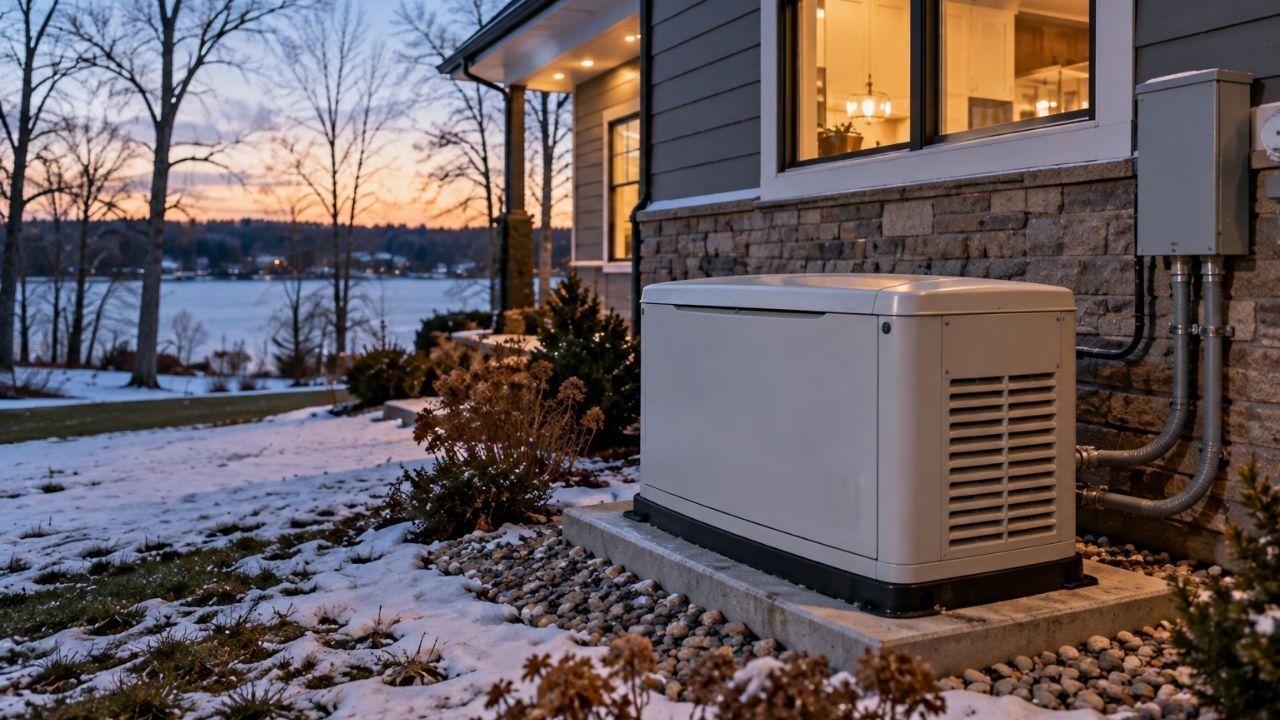
Learn how Michigan home insurance covers backup generators, including storm damage, power surges, mechanical breakdowns, and equipment coverage options.

Learn how Michigan home insurance covers private wells and septic systems, including pump failures, sewage backups, service lines, and key endorsements.
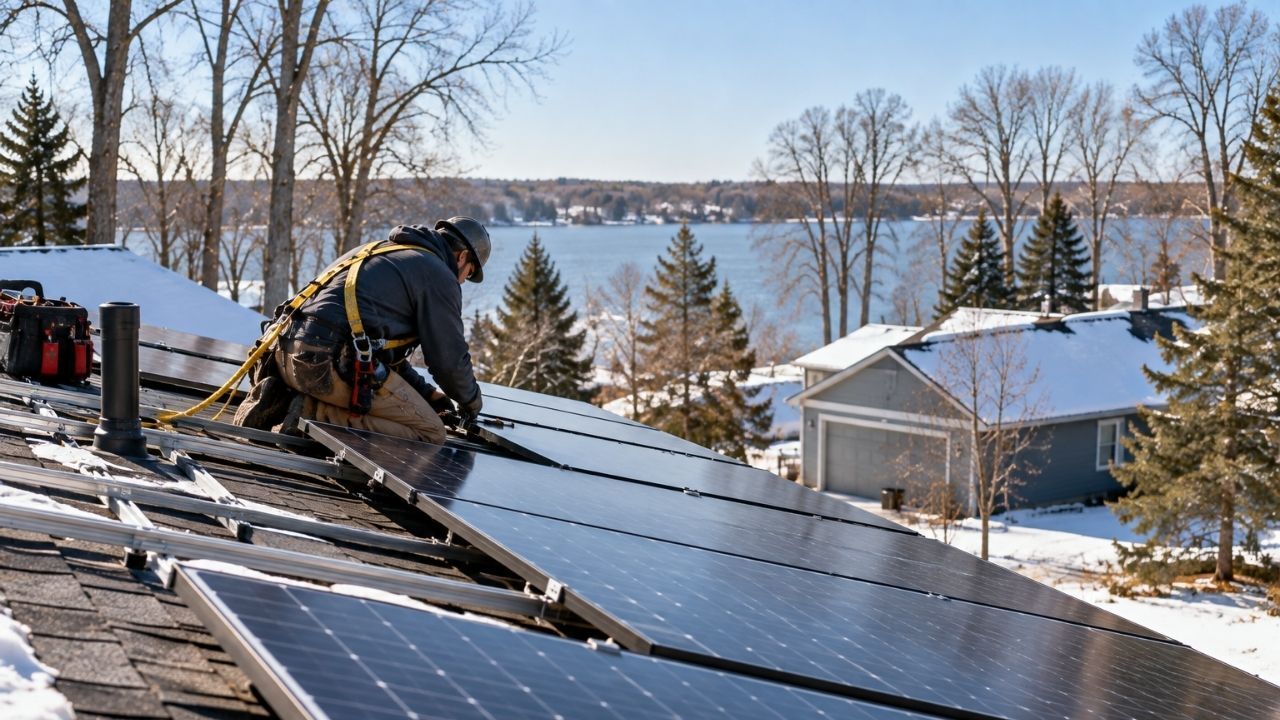
Protect your Michigan solar investment with the right home insurance coverage. Learn about panel damage, storm risks, deductibles, and coverage limits.

Protect your finished Michigan basement with the right home insurance coverage. Learn about water backup, sump pumps, flooding, egress, and coverage gaps.
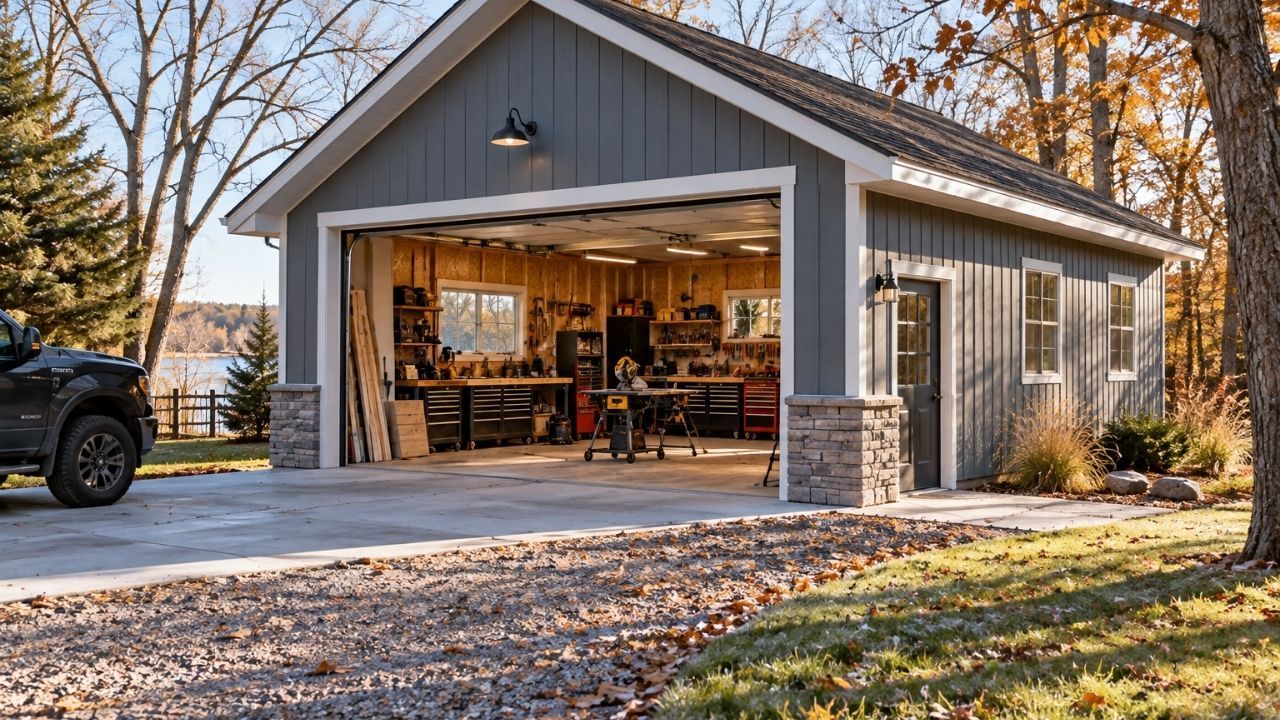
Protect your Michigan detached garage or workshop with the right insurance. Learn about Coverage B, snow risks, tools, equipment, and business use.

Update your Michigan home insurance after renovations. Learn how to adjust coverage, replacement costs, and protect your investment from costly gaps.

Protect your Michigan rental with the right landlord insurance. Learn coverage options, DP-1 vs. DP-3, liability, loss of rent, and key risks.

Wilde Wealth Insurance Services provides Michigan boat insurance coverage options to protect your vessel, liability, and finances on inland and Great Lakes waters.