
Email us today!

Do You Need Umbrella Insurance? A Michigan Guide
April 16, 2026
See How We're Different
or call us: (248)-647-2500
A single serious accident on I-96, a dog bite at your Traverse City vacation rental, or a boating mishap on Lake Huron can generate liability claims that dwarf the limits on your standard auto or homeowners policy. Michigan homeowners face a unique combination of risks: dense urban traffic corridors, extensive freshwater recreation, and a reformed no-fault auto insurance system that has shifted more financial exposure onto individual policyholders. If you have ever wondered whether you need umbrella insurance as a Michigan homeowner, the answer depends on your assets, your activities, and how much financial exposure you are willing to accept. This guide breaks down the specifics of umbrella coverage in a Michigan context, from the legal shifts that make it more relevant than ever to the actual dollar figures involved in purchasing a policy. Whether you own a single home in Grand Rapids or manage lakefront property in Petoskey, the information here will help you make a grounded, informed decision about protecting your household from catastrophic liability.
Understanding Umbrella Insurance in the Great Lakes State
Umbrella insurance is a form of personal liability coverage that sits above the limits of your existing auto, homeowners, or watercraft policies. It does not replace those policies. Instead, it activates only after the underlying policy limits have been exhausted, providing an additional layer of financial protection against claims that exceed what your base coverage can pay. For Michigan residents, this type of policy carries particular relevance because the state's legal and geographic characteristics create liability exposures that many homeowners underestimate.
A standard Michigan homeowners policy might carry $300,000 in personal liability coverage, and an auto policy might include $250,000 per person in bodily injury liability. Those figures sound substantial until you consider that a single traumatic brain injury lawsuit can result in a verdict well above $1 million. An umbrella policy fills the gap between what your base policies cover and what a court could award.
How Umbrella Coverage Extends Beyond Auto and Home
Your umbrella policy follows you, not just your property or vehicle. If someone sues you for an incident at a friend's house, for defamation, or for an injury caused by your child at school, the umbrella policy can respond once your underlying coverage is depleted. It also typically covers legal defense costs above the base policy limits, which can accumulate rapidly in complex litigation.
In Michigan, this broad reach matters because liability can arise from a wide range of activities: snowmobile accidents in the Upper Peninsula, a guest slipping on an icy driveway in January, or even a social media post that leads to a defamation claim. The umbrella policy acts as a financial backstop across all of these scenarios.
The Difference Between Liability Limits and Umbrella Protection
Many homeowners confuse increasing their liability limits on a base policy with purchasing umbrella coverage. These are two different strategies. Raising your homeowners liability from $300,000 to $500,000 gives you more coverage within that single policy, but it does not extend across your auto policy or cover scenarios outside the homeowners policy scope.
An umbrella policy, by contrast, stacks on top of multiple underlying policies simultaneously. If you carry auto, homeowners, and watercraft insurance, a single $1 million umbrella policy can extend all three. This consolidated approach is typically far more cost-effective than raising limits on each individual policy to achieve the same total protection.
Why Michigan Drivers Need Extra Protection
Michigan's auto insurance system underwent a significant overhaul in 2020, and the consequences for personal liability exposure are still unfolding. Before the reform, Michigan's unlimited personal injury protection (PIP) benefits meant that injured parties had less incentive to pursue third-party lawsuits because their own PIP coverage handled medical costs. That dynamic has changed.
Navigating Michigan's No-Fault Reform and Liability Shifts
Under the 2019 reform legislation (effective July 2020), Michigan drivers can now choose PIP coverage levels ranging from unlimited down to a complete opt-out for those with qualifying health insurance. The result is that many accident victims now carry reduced PIP benefits. When their own PIP coverage falls short of their medical expenses, they are more likely to pursue bodily injury claims against the at-fault driver.
This shift means Michigan drivers face a higher probability of being named in a third-party lawsuit than they did before the reform. If you carry the state minimum bodily injury liability of $250,000 per person and $500,000 per accident, a serious collision involving a driver who opted for lower PIP benefits could expose your personal assets to a claim that exceeds those limits.
Protecting Assets from Third-Party Bodily Injury Lawsuits
The average bodily injury claim in Michigan has been rising steadily, reflecting both higher medical costs and the post-reform legal environment. A catastrophic injury case involving long-term care, lost wages, and pain and suffering can produce a judgment of $2 million or more. If your auto liability tops out at $500,000, the remaining $1.5 million comes from your personal savings, home equity, retirement accounts, and future earnings.
An umbrella policy of $1 million or $2 million closes that gap. For a Michigan homeowner with significant equity in a home, retirement savings, or business interests, this protection is not a luxury. It is a rational response to a legal environment that has become measurably more litigious since the no-fault reform took effect.
Evaluating Your Risk Profile as a Michigan Resident
Not every household faces the same level of exposure. Your personal risk profile depends on the assets you own, the activities you engage in, and the people and animals living in your home. A thorough self-assessment can help you determine how much umbrella coverage, if any, makes sense for your situation.
Risks for Property Owners: Pools, Pets, and Rental Units
Certain property features and household characteristics are well-known liability magnifiers:
- Swimming pools and trampolines are classified as "attractive nuisances" under Michigan law, meaning you can be held liable if a child enters your property and is injured, even without an invitation.
- Dog bites accounted for over $1 billion in homeowners insurance claims nationally in 2022, and Michigan consistently ranks among the top ten states for bite-related claims.
- Rental properties, including short-term vacation rentals listed on platforms like Airbnb, create landlord liability that your standard homeowners policy may not fully cover.
If you own any combination of these risk factors, your exposure multiplies. A $300,000 homeowners liability limit can be consumed by a single serious dog bite claim involving reconstructive surgery.
Lakeside Living: Coverage for Boats and Recreational Vehicles
Michigan has more registered boats than nearly any other state, and recreational vehicle use is widespread across all four seasons. Watercraft liability claims can be substantial, particularly when alcohol is involved or when a collision causes drowning or spinal injury.
A standard boat insurance policy might carry $300,000 in liability coverage. If you cause an accident on Torch Lake that injures multiple passengers in another vessel, the combined claims could easily exceed that figure. Your umbrella policy would then cover the excess, up to its stated limit. The same logic applies to snowmobiles, ATVs, and jet skis, all of which are common sources of recreational injury claims in Michigan.
Cost vs. Benefit: Is the Premium Worth It?
Umbrella insurance is one of the most affordable forms of high-value coverage available to individual policyholders. The cost-per-dollar of protection is significantly lower than what you pay for your base auto or homeowners policy.
Average Costs for $1 Million in Coverage
The following table illustrates typical annual premiums for umbrella coverage in Michigan:
| Coverage Amount | Approximate Annual Premium | Cost Per Day |
|---|---|---|
| $1 million | $150 - $300 | $0.41 - $0.82 |
| $2 million | $225 - $400 | $0.62 - $1.10 |
| $3 million | $300 - $500 | $0.82 - $1.37 |
| $5 million | $400 - $700 | $1.10 - $1.92 |
These figures vary based on the number of properties, vehicles, drivers in your household, and your claims history. A household with two drivers, one home, and no prior claims will typically fall at the lower end of these ranges.
Required Underlying Limits for Eligibility
Insurers do not sell umbrella policies in isolation. They require you to maintain minimum liability limits on your underlying auto and homeowners policies before they will issue umbrella coverage. Common requirements include:
- Auto liability of at least $250,000 per person and $500,000 per accident
- Homeowners liability of at least $300,000
- Watercraft liability of at least $300,000 (if applicable)
Meeting these thresholds may require you to increase your current base policy limits, which adds a modest cost. That said, the combined expense of raising your underlying limits and purchasing a $1 million umbrella policy is often less than $500 per year for a typical Michigan household.
How to Secure an Umbrella Policy in Michigan
Purchasing an umbrella policy is straightforward, but a few steps will ensure you get the right coverage at the best price. Start by requesting quotes from the insurer that already carries your auto and homeowners policies. Most carriers offer a multi-policy discount, and bundling your umbrella with existing coverage simplifies claims handling.
Ask your agent to review your full risk profile, including all properties, vehicles, watercraft, and household members. Disclose any rental activity, business use of your home, or teenage drivers. Omitting relevant information can result in a coverage gap or a denied claim.
Compare quotes from at least two carriers. While pricing is important, pay attention to the policy terms: some umbrella policies exclude certain claim types, such as professional liability or claims arising from business activities conducted at home. Make sure the policy you choose aligns with your actual exposure.
If your net worth exceeds $1 million, or if you have significant future earning potential, consider coverage of $2 million or more. The incremental cost of each additional million dollars in coverage decreases substantially after the first million.
Frequently Asked Questions
Does umbrella insurance cover me if I am sued for something that happened outside Michigan? Yes. Personal umbrella policies provide coverage regardless of where the incident occurs, including other states and most international locations.
Will my umbrella policy cover my teenage driver? It will, as long as the teen is listed on your auto policy and your underlying auto liability meets the insurer's minimum requirements. Expect a slightly higher premium if you have drivers under 25 in the household.
Can I buy umbrella insurance if I rent my home instead of owning it? You can. Renters with a renters insurance policy that includes personal liability coverage can qualify for an umbrella policy. The underlying liability limit on your renters policy must meet the insurer's threshold.
Does umbrella insurance cover lawsuits related to my small business? Personal umbrella policies generally exclude business liability. If you operate a business, you will need a separate commercial umbrella or excess liability policy.
How quickly does an umbrella policy take effect? Most policies can be bound within one to two business days after application and underwriting review. There is typically no waiting period once the policy is active.
Your Next Steps as a Michigan Homeowner
Michigan's combination of high traffic density, extensive waterway recreation, and a reformed auto insurance system creates a liability environment where a single serious incident can threaten years of accumulated savings. An umbrella policy costing less than a dollar a day can protect $1 million or more in personal assets from a lawsuit that exceeds your base coverage.
Review your current auto and homeowners liability limits, assess the risk factors specific to your household, and request a quote from your current insurer. If your total assets, including home equity and retirement savings, exceed the liability limits on your existing policies, umbrella coverage deserves serious consideration. The cost is modest, the protection is broad, and the peace of mind is genuine.
BLOG AND NEWS
Better Insurance Decisions

Michigan home insurance ordinance and code coverage helps protect older homes from costly code upgrades, demolition, wiring, plumbing, and compliance expenses.

Learn how Michigan home insurance covers pole barns and outbuildings, including snow, wind, hail, farm use, Coverage B limits, and key exclusions.
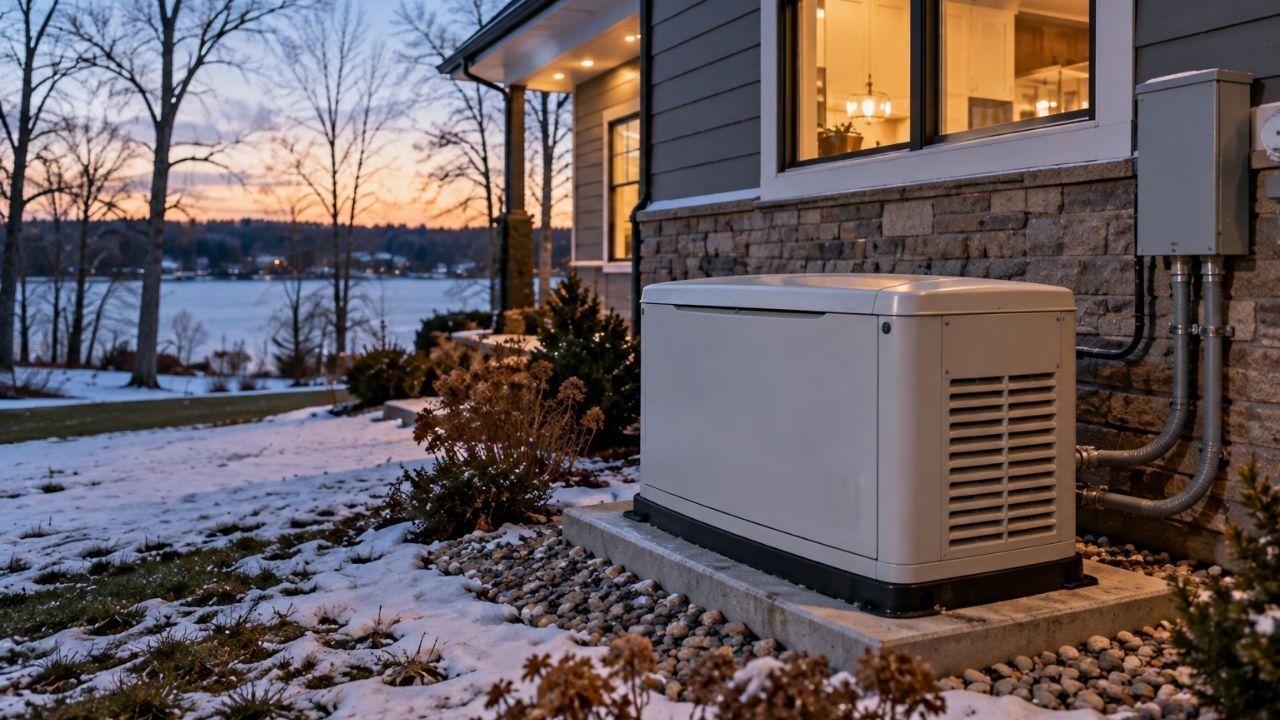
Learn how Michigan home insurance covers backup generators, including storm damage, power surges, mechanical breakdowns, and equipment coverage options.
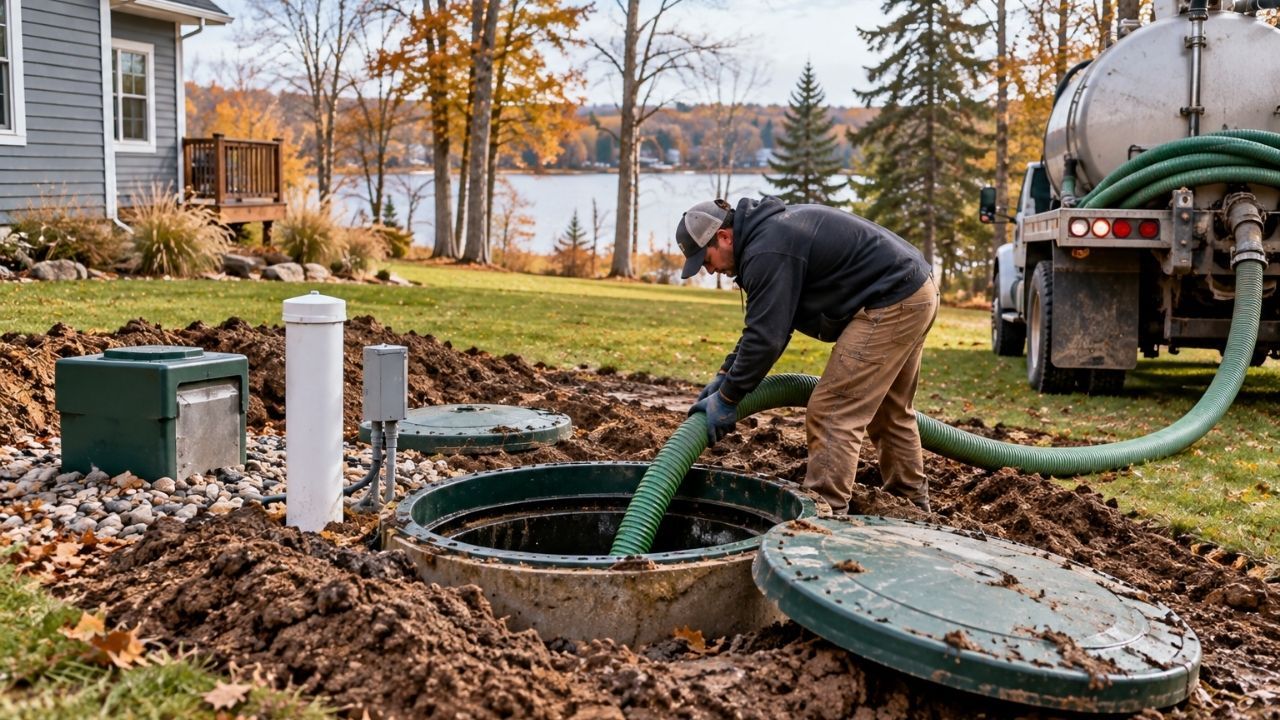
Learn how Michigan home insurance covers private wells and septic systems, including pump failures, sewage backups, service lines, and key endorsements.
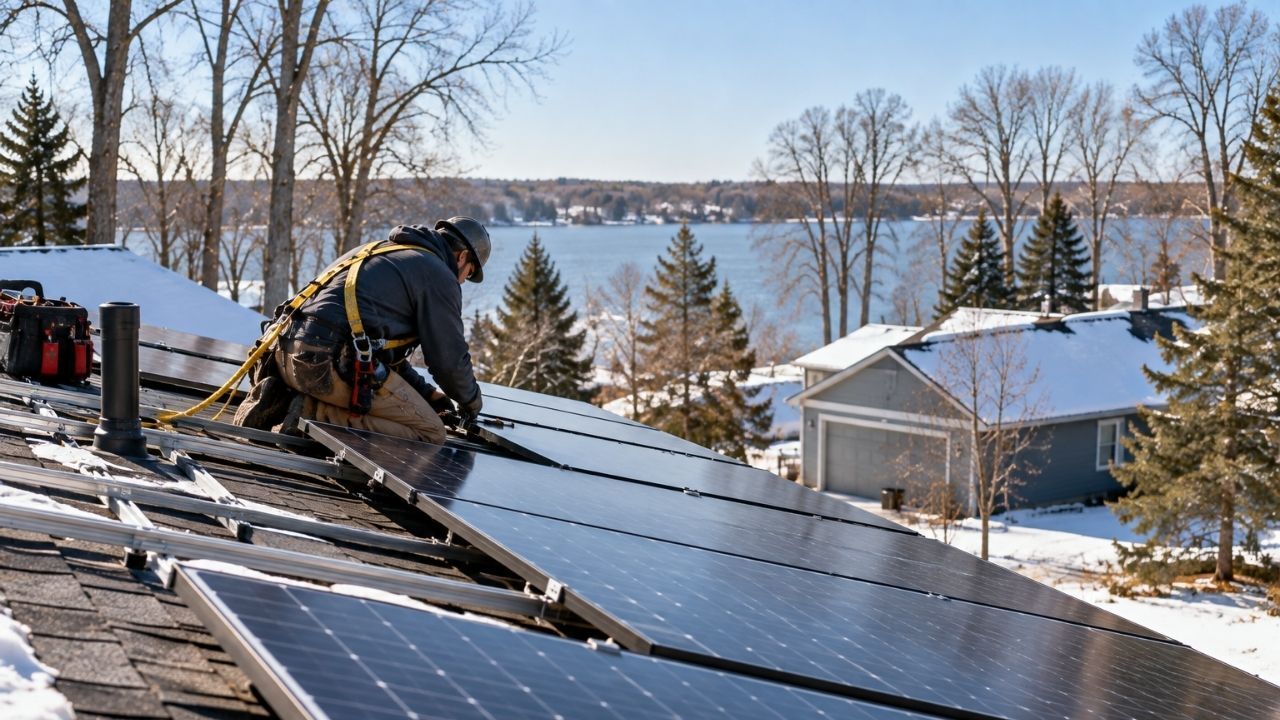
Protect your Michigan solar investment with the right home insurance coverage. Learn about panel damage, storm risks, deductibles, and coverage limits.
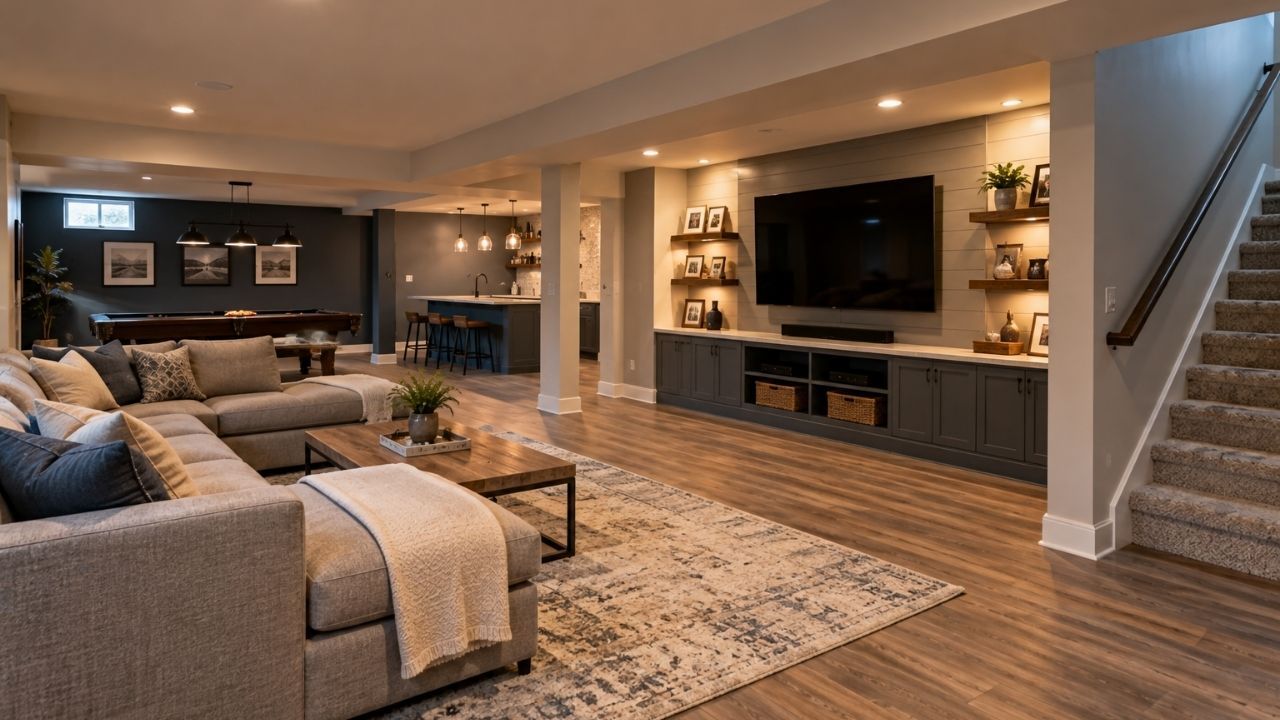
Protect your finished Michigan basement with the right home insurance coverage. Learn about water backup, sump pumps, flooding, egress, and coverage gaps.
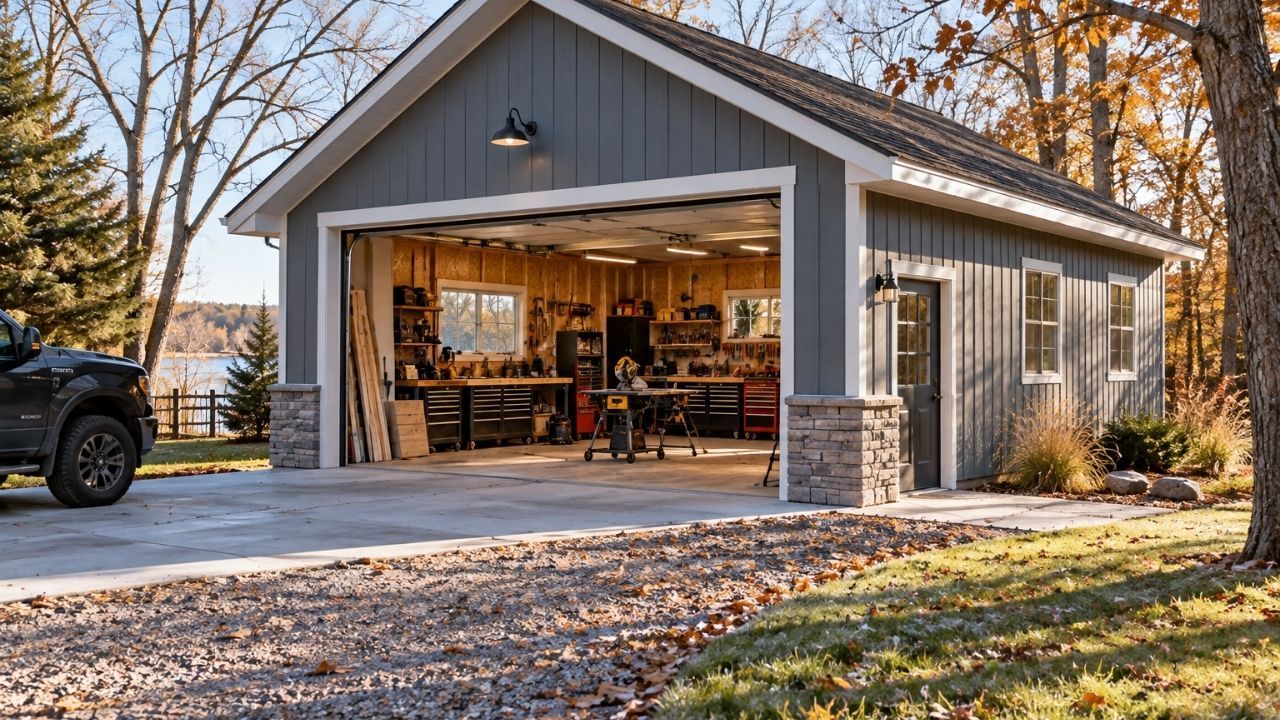
Protect your Michigan detached garage or workshop with the right insurance. Learn about Coverage B, snow risks, tools, equipment, and business use.
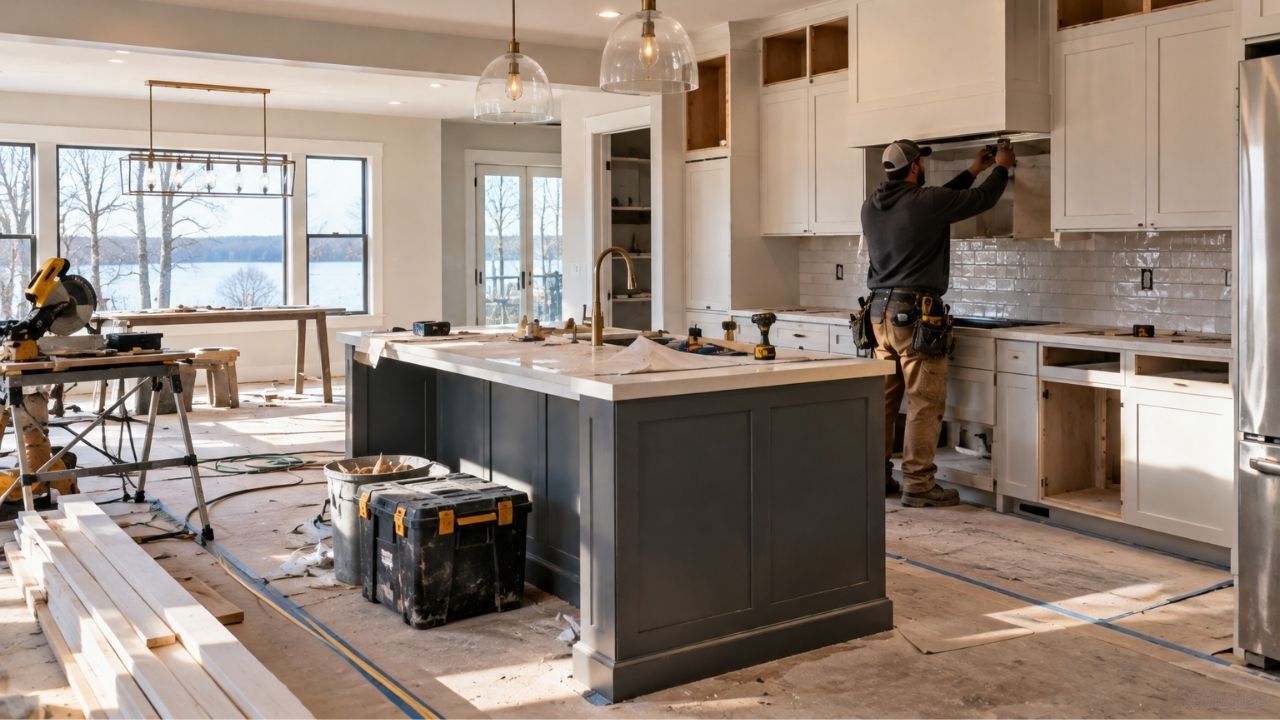
Update your Michigan home insurance after renovations. Learn how to adjust coverage, replacement costs, and protect your investment from costly gaps.
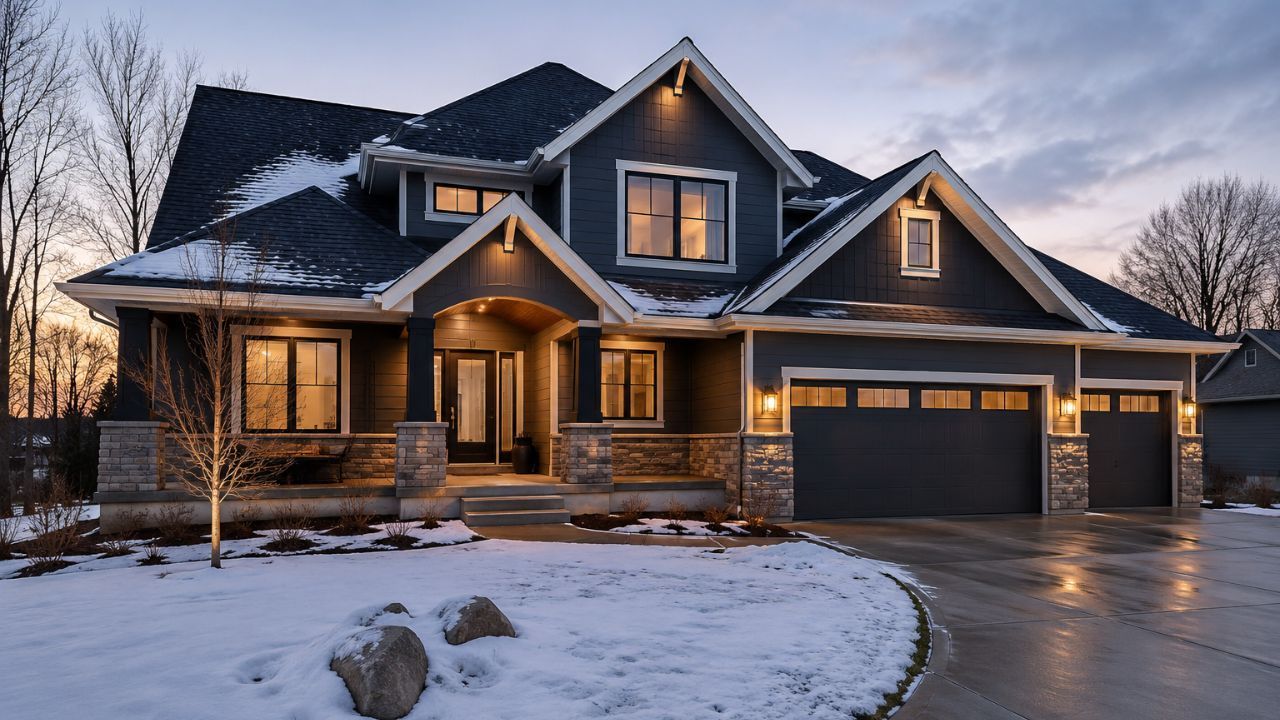
Protect your Michigan rental with the right landlord insurance. Learn coverage options, DP-1 vs. DP-3, liability, loss of rent, and key risks.

Wilde Wealth Insurance Services provides Michigan boat insurance coverage options to protect your vessel, liability, and finances on inland and Great Lakes waters.