
Email us today!

How to Insure Your Boat in Michigan: A Guide
April 16, 2026
See How We're Different
or call us: (248)-647-2500
Michigan is home to more than 800,000 registered watercraft, more than any other state except Florida. With over 11,000 inland lakes and roughly 3,200 miles of Great Lakes shoreline, the state offers some of the most diverse boating conditions in the country. That diversity, however, also means exposure to unique hazards: sudden Lake Michigan squalls, submerged debris in shallow inland waters, and dock damage from ice heave each spring. A complete guide to Michigan boat insurance coverage should address all of these risks, not just the minimum legal boxes. Whether you own a 16-foot fishing boat on Houghton Lake or a 40-foot cruiser docked in Charlevoix, understanding how to properly insure your vessel protects both your investment and your financial future. The average annual premium for a recreational boat in Michigan ranges from $200 to $500, though larger vessels on the Great Lakes can cost considerably more. This guide walks through every factor you need to weigh before selecting a policy.
Michigan Boating Laws and Insurance Requirements
State Registration vs. Insurance Mandates
Michigan law requires every motorized watercraft to be registered with the Secretary of State, and registration fees vary based on vessel length. A boat under 16 feet costs around $12 to register, while vessels 28 feet and over can exceed $100. What surprises many owners is that Michigan does not mandate boat insurance by law. Unlike auto insurance, there is no state statute requiring you to carry liability or property coverage on your watercraft. That said, operating without insurance is a significant financial gamble. A single boating accident on Torch Lake or Saginaw Bay can result in property damage claims, medical bills, and legal fees that easily reach six figures. The absence of a legal mandate does not reduce your exposure to risk; it simply means the state leaves the decision to you.
Lienholder and Marina Requirements
Even though the state does not require coverage, your lender almost certainly will. If you financed your boat through a bank or credit union, the loan agreement typically includes a clause requiring comprehensive and collision coverage for the life of the loan. Marinas across Michigan frequently impose their own insurance requirements as well. A slip agreement at a facility in Traverse City or Mackinaw City may require proof of liability coverage, often with minimums of $300,000 or $500,000. Some marinas also require pollution liability, given the environmental sensitivity of the Great Lakes watershed. Before you sign a slip lease, review the insurance clause carefully so you are not caught off guard by coverage gaps.
Types of Watercraft Coverage Options
Agreed Value vs. Actual Cash Value Policies
The valuation method your policy uses will determine how much you receive after a total loss. An agreed value policy pays a predetermined amount that you and the insurer settle on when the policy is written. If your 2020 Bayliner is insured for $45,000 under an agreed value policy and it sinks, you receive $45,000 minus any deductible. An actual cash value policy, by contrast, factors in depreciation. That same Bayliner might only pay out $32,000 after three years of use. Agreed value policies carry slightly higher premiums, but they provide certainty. For newer boats or vessels with custom upgrades, agreed value is almost always the better choice.
| Feature | Agreed Value | Actual Cash Value |
|---|---|---|
| Payout basis | Pre-set amount at policy inception | Market value minus depreciation |
| Premium cost | Higher | Lower |
| Best for | Newer or custom vessels | Older boats with lower market value |
| Claim certainty | High | Variable |
Liability and Medical Payments Coverage
Liability coverage pays for bodily injury or property damage you cause to others while operating your boat. A common starting point is $100,000 per occurrence, though many Michigan boaters carry $300,000 or more given the density of traffic on popular lakes like Lake St. Clair. Medical payments coverage, sometimes called MedPay, covers medical expenses for you and your passengers regardless of fault. Limits typically range from $1,000 to $25,000 per person. If a passenger breaks an arm after hitting a wake near the Detroit River, MedPay covers the emergency room visit without requiring a liability determination.
Uninsured Watercraft and Fuel Spill Protection
Michigan does not require boat insurance, which means a significant number of vessels on the water carry no coverage at all. Uninsured watercraft coverage protects you if an uninsured boater causes damage to your vessel or injures you. Fuel spill liability is another critical endorsement. Federal and state environmental regulations hold boat owners financially responsible for cleanup costs if fuel or oil leaks from their vessel. Cleanup of even a small diesel spill in a marina can cost $10,000 to $50,000. Most standard boat policies include some pollution coverage, but the limits may be insufficient for larger vessels with substantial fuel tanks.
Factors Influencing Michigan Boat Insurance Rates
Vessel Type, Age, and Horsepower
Insurers evaluate your boat based on its hull type, engine configuration, age, and horsepower. A 25-foot pontoon with a 150-horsepower outboard presents a very different risk profile than a 30-foot performance boat with twin 300-horsepower engines. Higher horsepower generally means higher premiums because speed increases the severity of potential collisions. Older boats may cost less to insure on an actual cash value basis, but they can also present higher mechanical failure risks. Sailboats tend to receive lower rates than powerboats of similar size because they operate at slower speeds. Personal watercraft, such as jet skis, often carry per-unit premiums of $100 to $300 annually, though liability exposure remains significant relative to their size.
Navigational Limits and Great Lakes Usage
Your policy will specify a navigational territory, and where you boat in Michigan matters a great deal. Inland lake coverage is typically the least expensive because conditions are more predictable and distances from shore are short. Great Lakes usage introduces open-water hazards: large swells, commercial shipping traffic, fog, and distances that can exceed 50 miles from the nearest port. Insurers often charge 10 to 25 percent more for policies that include Great Lakes navigation. If you trailer your boat to different bodies of water throughout the season, confirm that your policy covers all intended waterways. A policy written for inland use only will not respond to a claim that occurs on Lake Huron.
Maximizing Discounts and Reducing Premiums
Boating Safety Course Credits
Completing a boating safety course approved by the Michigan Department of Natural Resources can reduce your premium by 5 to 15 percent, depending on the insurer. Michigan law already requires anyone born after December 31, 1978, to complete a boating safety course before operating a motorboat. Even if you are not legally required to take the course, doing so demonstrates responsible seamanship and qualifies you for a discount. The course covers navigation rules, emergency procedures, and Michigan-specific regulations, which also makes you a safer operator on the water.
Lay-up Periods for Michigan Winters
Michigan's boating season typically runs from May through October, which means your vessel sits idle for roughly five months. Most insurers offer a lay-up period discount that reduces your premium during the months your boat is winterized and out of the water. During lay-up, your policy shifts to storage-only coverage, removing collision and liability while retaining protection against fire, theft, and weather damage. This adjustment can save 10 to 30 percent on your annual premium. Be sure to communicate your exact storage dates and location to your insurer, whether your boat is in a heated facility, shrink-wrapped outdoors, or stored on a trailer at your home.
How to Choose the Right Michigan Insurance Provider
Not all insurance carriers treat watercraft the same way. Some homeowners policies offer a watercraft endorsement that provides basic liability, but these endorsements rarely include hull coverage or agreed value options. A standalone marine policy from a carrier that specializes in watercraft insurance will almost always offer broader protection. Look for carriers with dedicated marine claims adjusters who understand hull repair, salvage operations, and Great Lakes conditions. Ask about their claims response time, particularly during peak season when incidents are most common. Request quotes from at least three providers, and compare not just premiums but deductibles, exclusions, and coverage limits. A policy that costs $50 less per year but excludes towing and salvage could cost you thousands in a single incident. Michigan-based independent agents who write policies with multiple marine carriers can often find the best combination of price and coverage for your specific vessel and usage pattern.
Steps to Filing a Watercraft Claim in the Great Lakes State
Filing a boat insurance claim in Michigan follows a structured process, and acting quickly is essential. First, ensure the safety of all passengers and contact emergency services if anyone is injured. Michigan law requires you to report any boating accident that involves death, injury, or property damage exceeding $2,000 to the Michigan Department of Natural Resources within 10 days. Next, document the scene thoroughly with photographs of damage to your vessel, other boats, docks, or structures. Collect contact and insurance information from all parties involved. Contact your insurance carrier as soon as possible, ideally within 24 hours. Provide your policy number, a description of the incident, and all supporting documentation. Your insurer will assign a marine adjuster who may inspect the vessel in person or request a survey from a certified marine surveyor. Keep all repair estimates and receipts organized. If your claim involves salvage or environmental cleanup, your insurer will typically coordinate those services directly. Cooperate fully with the investigation, and do not authorize repairs until the adjuster has assessed the damage, unless emergency repairs are needed to prevent further loss.
Frequently Asked Questions
Does Michigan require boat insurance by law? No. Michigan does not mandate boat insurance. However, lenders and marinas often require coverage as a condition of financing or slip rental.
How much does boat insurance cost in Michigan? The average annual premium ranges from $200 to $500 for recreational boats. Larger vessels used on the Great Lakes may cost $800 or more per year.
Does my homeowners policy cover my boat? Some homeowners policies include limited watercraft liability, but they rarely cover hull damage or provide agreed value protection. A standalone marine policy is typically necessary for adequate coverage.
Are jet skis covered under a boat insurance policy? Personal watercraft usually require a separate policy or a specific endorsement. Premiums for jet skis in Michigan generally run between $100 and $300 annually.
What is a lay-up period, and how does it save money? A lay-up period is the portion of the year when your boat is winterized and not in use. Insurers reduce your premium during this time because the risk of collision and liability drops significantly.
Your Next Steps for Michigan Boat Insurance
Securing the right boat insurance in Michigan requires more than picking the cheapest quote. You need a policy that matches your vessel type, your boating territory, and the specific risks that come with Michigan waterways. Start by determining whether you need inland-only coverage or a policy that extends to the Great Lakes. Confirm your valuation preference, whether agreed value or actual cash value, and verify that your liability limits meet marina requirements and your personal financial exposure. Take a boating safety course if you have not already, and ask your insurer about lay-up discounts for the winter months. A well-structured Michigan boat insurance policy protects your vessel, your passengers, and your finances through every season on the water.
BLOG AND NEWS
Better Insurance Decisions
Michigan home insurance ordinance and code coverage helps protect older homes from costly code upgrades, demolition, wiring, plumbing, and compliance expenses.
Learn how Michigan home insurance covers pole barns and outbuildings, including snow, wind, hail, farm use, Coverage B limits, and key exclusions.
Learn how Michigan home insurance covers backup generators, including storm damage, power surges, mechanical breakdowns, and equipment coverage options.
Learn how Michigan home insurance covers private wells and septic systems, including pump failures, sewage backups, service lines, and key endorsements.
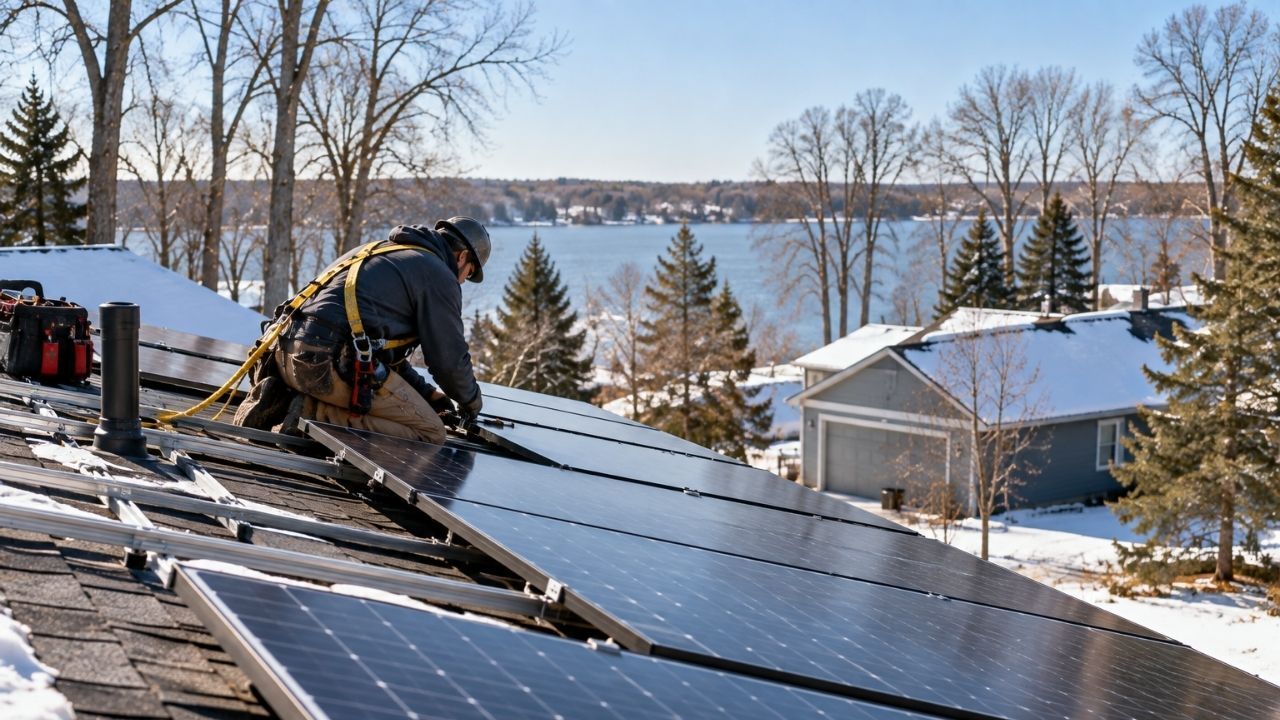
Protect your Michigan solar investment with the right home insurance coverage. Learn about panel damage, storm risks, deductibles, and coverage limits.
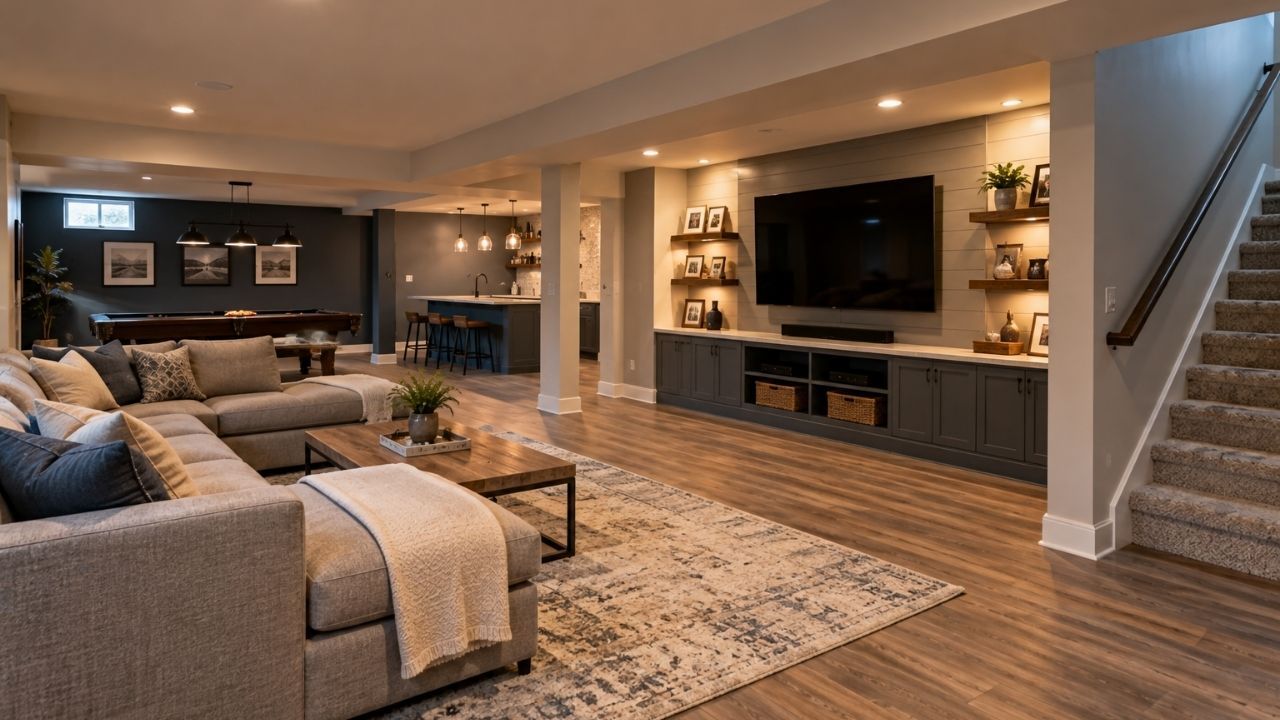
Protect your finished Michigan basement with the right home insurance coverage. Learn about water backup, sump pumps, flooding, egress, and coverage gaps.
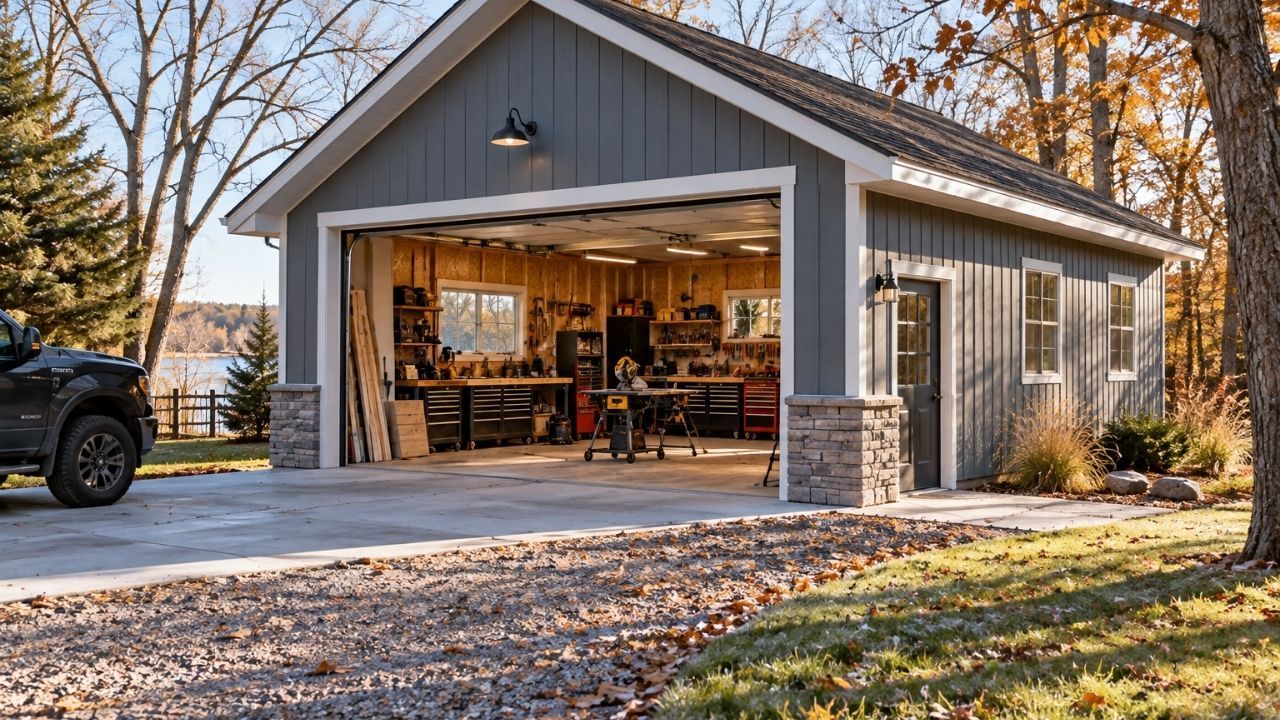
Protect your Michigan detached garage or workshop with the right insurance. Learn about Coverage B, snow risks, tools, equipment, and business use.
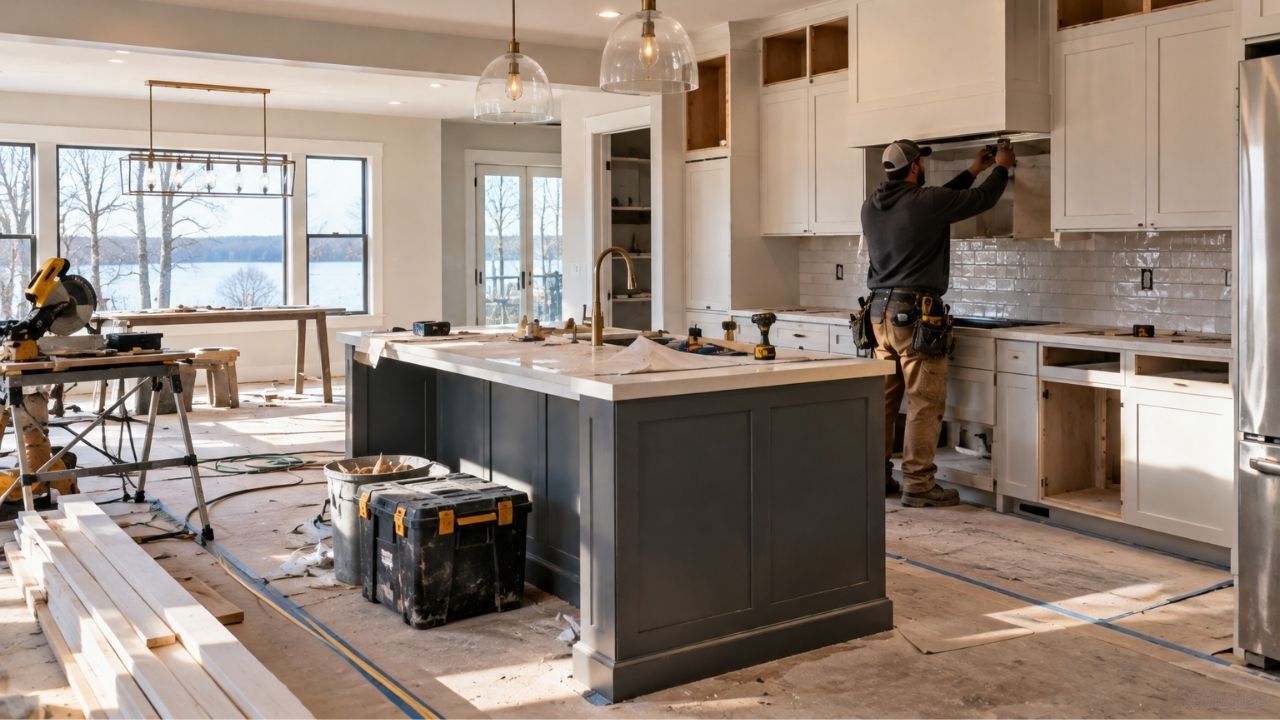
Update your Michigan home insurance after renovations. Learn how to adjust coverage, replacement costs, and protect your investment from costly gaps.
Protect your Michigan rental with the right landlord insurance. Learn coverage options, DP-1 vs. DP-3, liability, loss of rent, and key risks.

Discover how much you can save bundling home and auto insurance in Michigan. Learn average discounts up to 25% and money-saving tips.