
Email us today!


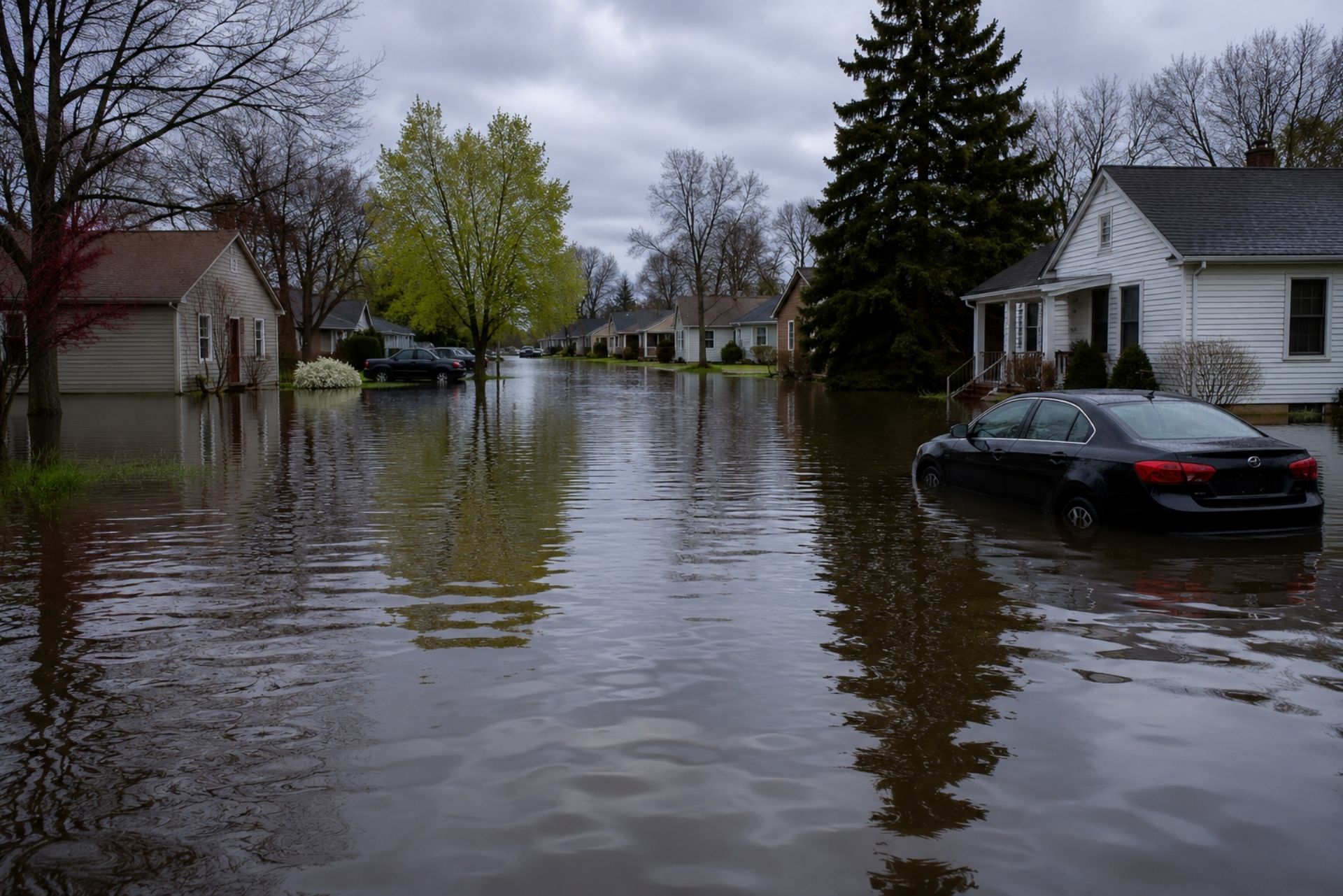
A single inch of floodwater inside your home can cause more than $25,000 in damage, and Michigan is no stranger to the kind of storms, snowmelt, and river surges that produce exactly that outcome. Whether you own a lakefront cottage in Traverse City or a suburban home near the Rouge River in Metro Detroit, the question of flood insurance in Michigan deserves serious attention in 2026. Premiums, risk designations, and coverage options have all shifted in recent years, and understanding what you actually need, what it costs, and where the gaps exist can save you thousands of dollars and months of recovery time. This guide breaks down the specifics of flood coverage for Michigan property owners, from FEMA risk zones to private market alternatives, so you can make a genuinely informed decision for your household.
Understanding Flood Risk in Michigan for 2026
Michigan sits at the intersection of several flood-producing forces: Great Lakes water levels that fluctuate year to year, heavy spring snowmelt across the northern Lower Peninsula and Upper Peninsula, and increasingly intense summer rainstorms that overwhelm urban drainage systems. The state experienced significant flood events in 2020 and 2021, including the Midland Dam failure that displaced thousands of residents and caused hundreds of millions of dollars in property damage. Those events were a stark reminder that flood risk in Michigan is not confined to coastal areas or obvious floodplains.
FEMA has continued updating its Flood Insurance Rate Maps (FIRMs) for Michigan communities, and several counties have seen their risk designations change since 2023. If you have not checked your property's flood zone status recently, you may be operating on outdated assumptions.
Why Standard Homeowners Insurance Is Not Enough
A standard homeowners insurance policy does not cover flood damage. This is one of the most common and costly misunderstandings among Michigan property owners. Your HO-3 or HO-5 policy will typically cover water damage from burst pipes or a sudden appliance leak, but it will explicitly exclude rising water from external sources: rivers, storm surges, overwhelmed storm drains, and snowmelt runoff. If floodwater enters your home through any of those paths, your homeowners insurer will deny the claim. That exclusion applies regardless of your insurer, your premium level, or how long you have held the policy.
High-Risk Zones vs. Moderate-Risk Areas
FEMA classifies flood risk using letter-based zone designations. Properties in zones labeled A or V are considered high-risk, meaning they have a 1% or greater annual chance of flooding. These are often called "100-year flood zones," though that label is misleading since a 1% annual probability translates to a 26% chance of flooding over a 30-year mortgage. Properties in zones B, C, or X fall into moderate-to-low risk categories, but
roughly 25% of all NFIP flood claims come from outside high-risk zones, which underscores why dismissing your risk based solely on a zone letter can be a costly mistake. Michigan has significant acreage in both categories, with high-risk zones concentrated along the Saginaw, Grand, and Kalamazoo River corridors, the Lake Huron and Lake Michigan shorelines, and several inland lake communities.
By: John G. Growney
President of Oakland Insurance
The average annual cost of flood insurance in Michigan has risen to approximately $1,085, though private "Preferred Risk" policies for properties in low-to-moderate risk zones can run significantly less, sometimes in the range of $400 to $600 per year. Your actual premium depends on a cluster of variables: your property's elevation relative to the base flood elevation, the age and construction type of your home, the number of floors, whether you have a basement or crawl space, and your chosen deductible and coverage limits.
Properties built before a community's initial FIRM adoption date, known as pre-FIRM structures, often face higher premiums because they were constructed without modern flood-resistant standards. If your Michigan home was built before the mid-1970s in many communities, you may fall into this category.
How Risk Rating 2.0 Affects Michigan Rates
FEMA's Risk Rating 2.0 methodology, which replaced the older rating system in 2021, calculates premiums based on individual property characteristics rather than broad zone designations alone. The system factors in flood frequency, flood types, distance to a water source, and property-specific replacement cost. For some Michigan homeowners, this resulted in lower premiums, particularly those in high-risk zones whose actual elevation was well above the base flood level. For others, especially those with older homes near rivers or with basements, premiums increased. The phase-in of rate increases is capped at 18% per year for existing policyholders, so if your property was significantly underpriced under the old system, you may see incremental annual increases through 2026 and beyond.
Cost Comparison: NFIP vs. Private Market
Private flood insurance has grown substantially in Michigan over the past five years, and it is worth comparing your options side by side.
| Factor | NFIP (Federal) | Private Market |
|---|---|---|
| Max Building Coverage | $250,000 | Often $500,000+ |
| Max Contents Coverage | $100,000 | Varies, often higher |
| Basement Coverage | Very limited | Sometimes broader |
| Loss of Use / Additional Living Expenses | Not included | Often included |
| Average Annual Premium (Michigan) | ~$1,085 | $400 - $1,500+ |
| Waiting Period | 30 days | Varies (sometimes 10-14 days) |
| Claims Process | Federal process | Insurer-specific |
Private carriers can often offer more flexible terms and broader coverage, but they also have the ability to non-renew policies or exit markets entirely. The NFIP, backed by the federal government, provides more stability in that regard. Many Michigan homeowners benefit from getting quotes from both sources before committing.
Flood insurance policies are divided into two primary components: building coverage and contents coverage. Building coverage protects the physical structure of your home, including its foundation, electrical and plumbing systems, HVAC equipment, and permanently installed features like built-in appliances and carpeting. Contents coverage protects your personal belongings: furniture, clothing, electronics, and other movable property inside the home.
You can purchase building coverage alone, contents coverage alone, or both together. Most homeowners with a mortgage will need building coverage at minimum, but contents coverage is where many people underinsure themselves. Replacing furniture, appliances, and personal items after a flood can easily exceed $50,000, and without contents coverage, those costs come entirely out of pocket.
Coverage Limits Table: Building vs. Contents
| Coverage Type | NFIP Maximum | What It Covers | What It Does Not Cover |
|---|---|---|---|
| Building | $250,000 | Structure, foundation, electrical, plumbing, HVAC, built-in appliances, carpeting | Decks, patios, fences, landscaping, pools |
| Contents | $100,000 | Furniture, clothing, electronics, portable appliances | Currency, precious metals, stock certificates |
| Basement (Building) | Limited | Foundation walls, sump pumps, circuit breakers | Finished walls, flooring, personal property stored in basement |
| Basement (Contents) | Limited | Washers, dryers, food freezers | Most other items stored below ground level |
The basement limitations are particularly relevant for Michigan homeowners. Many Michigan homes, especially in the Metro Detroit, Lansing, and Grand Rapids areas, have finished basements used as living spaces. Under the NFIP, damage to finished basement walls, flooring, and most personal property stored below grade is not covered. Some private insurers offer broader basement coverage, so this is a critical comparison point if your home has a finished lower level.
When is Flood Insurance Legally Required?
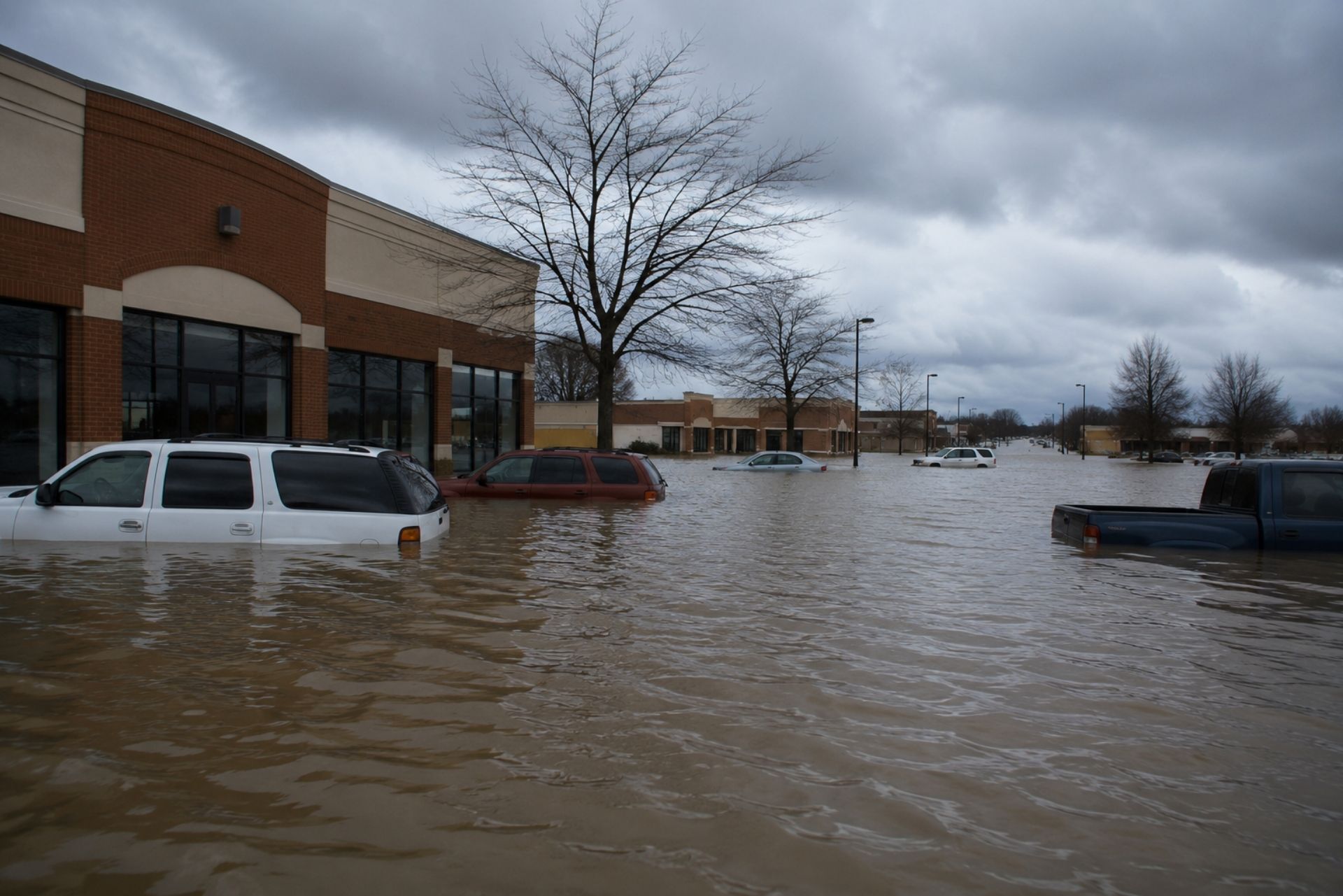
Not every Michigan homeowner is legally required to carry flood insurance, but certain circumstances make it mandatory. The requirement is tied to your mortgage and your property's flood zone designation, not to state law.
Lender Requirements for Mortgages
If you have a federally backed mortgage, which includes loans from banks regulated by federal agencies, FHA loans, VA loans, and USDA loans, and your property sits in a FEMA-designated high-risk flood zone (A or V zones), your lender is required by federal law to mandate flood insurance for the life of the loan. The coverage must be at least equal to the outstanding loan balance or the maximum available under the NFIP, whichever is less. If you fail to maintain coverage, your lender will force-place a policy on your behalf, and force-placed flood insurance is typically far more expensive with less favorable terms.
If your property is in a moderate-to-low risk zone, your lender is not required to mandate flood insurance, though some lenders may still recommend or require it based on their own risk assessment.
Federal Disaster Assistance Limitations
A common misconception is that federal disaster assistance will cover your losses if a flood occurs. The reality is far less generous. FEMA disaster assistance is only available when the President declares a federal disaster, and even then, the average individual assistance grant has historically been
around $5,000 to $10,000, a fraction of what most homeowners need to rebuild. SBA disaster loans, the other primary form of federal assistance, must be repaid with interest. A $50,000 SBA loan at current rates will cost you significantly more over time than years of flood insurance premiums would have.
Common Questions About Michigan Flood Coverage
FAQ: Do I need flood insurance if I am not in a flood zone?
Every property in Michigan has some level of flood risk. If your home is in a moderate-to-low risk zone (B, C, or X), you are not legally required to carry flood insurance, but you are still exposed to potential losses. Preferred Risk Policies through the NFIP or competitive private market options can provide coverage for as little as $400 to $600 per year in these zones.
FAQ: How long is the waiting period before coverage starts?
NFIP policies have a standard 30-day waiting period from the date of purchase before coverage takes effect. The exception is if you are purchasing a policy in connection with a new mortgage closing, in which case coverage begins immediately. Some private flood insurers offer shorter waiting periods of 10 to 14 days, so check with your provider.
FAQ: Does it cover basement flooding from a sewer backup?
Standard flood insurance covers water that enters your home from external flooding, not from sewer or drain backups caused by system failures unrelated to a flood event. If a regional flood overwhelms the sewer system and causes backup into your basement, there may be overlap, but a standalone sewer backup endorsement on your homeowners policy is typically the better solution for that specific risk. Many Michigan insurers offer this endorsement for $50 to $150 per year.
FAQ: Can I get flood insurance for a rental property?
Yes. Both the NFIP and private insurers offer flood insurance for rental properties, including single-family rentals, duplexes, and multi-unit buildings. As the property owner, you would purchase building coverage, while your tenants would need their own renters flood policy for personal belongings. The NFIP building coverage limit of $250,000 applies to residential rental properties as well.
FAQ: Will my rates go up if I file a claim?
Under the NFIP, filing a single claim does not automatically increase your premium. That said, properties with repeated flood losses, known as Severe Repetitive Loss properties, can face surcharges and may be required to accept mitigation offers. Private insurers have more flexibility and may adjust your premium or non-renew your policy after a claim, similar to how auto insurance works. Ask your insurer about their claims history policies before purchasing.
Making the Right Choice for Your Property
Flood risk in Michigan is real, varied, and often underestimated. Whether your home sits on the banks of the Grand River or in a suburban neighborhood miles from the nearest waterway, a single flood event can cause financial damage that takes years to recover from without proper coverage.
Start by checking your property's current FEMA flood zone designation using the FEMA Flood Map Service Center. Get quotes from both the NFIP and at least one private flood insurer so you can compare coverage terms, basement provisions, and premium costs. Pay close attention to what is and is not covered below grade if your home has a basement, and consider a sewer backup endorsement on your homeowners policy as a complement to your flood coverage.
Michigan flood insurance costs are manageable for most homeowners, especially in moderate-to-low risk zones where Preferred Risk Policies remain available at competitive rates. The cost of not having coverage, on the other hand, is a risk that no homeowner should accept without fully understanding what is at stake. Reach out to a licensed insurance professional who understands Michigan-specific flood risks to review your options and ensure your home and finances are properly protected heading into 2026 and beyond.
About The Author:
John G. Growney
As President of Oakland Insurance, I bring over 25 years of experience in every aspect of the insurance industry — from customer service to sales and agency management. As a Licensed Insurance Counselor (LIC) and Certified Insurance Counselor (CIC), I’m dedicated to helping clients make confident decisions about their coverage. I earned my B.A. in Business from Michigan State University and currently live in Clarkston, Michigan with my two children and our rescue dogs.
Contact Us Page
Your Business Insurance Solutions
Workers Comp Insurance

Workers' compensation insurance is a type of insurance that provides benefits to employees who are injured or become ill as a result of their job. These benefits may include medical expenses, lost wages, and disability payments.
COMMERCIAL AUTO INSURANCE

Commercial auto insurance is a type of insurance that covers vehicles used for business purposes. This includes cars, trucks, vans and other vehicles owned by a company and used by employees for work-related activities.
PROFESSIONAL LIABILITY
Professional liability insurance, also known as errors and omissions insurance, is a type of insurance that protects businesses and individuals from financial losses resulting from claims of professional negligence or failure to perform professional duties.
BUSINESS OWNERS POLICY (BOP INSURANCE)
Business Owners Policy (BOP) insurance is a package policy that combines general liability insurance and property insurance for small and medium-sized businesses. It is designed to provide coverage for common risks such as property damage, liability claims, and business interruption.
Our Process
Oakland Insurance has an efficient, customer-focused approach when working with business owners looking for business insurance in Michigan.
1. Consultation
This begins from the moment a business owner reaches out for business insurance. Our business mindset helps us approach every consultation process as an opportunity to learn about a business and its needs, so we can recommend the best business insurance coverage that fits their situation.
2. Insurance Options
We take pride in our attention to detail: from fine-tuning insurance plans to contacting multiple competing carriers, we ensure our clients receive effective business insurance solutions tailored to their unique goals and operations.
3. Claims
We know that the claims process can be complex and time-consuming. That’s why Oakland Insurance works with clients to file and track their claims quickly and efficiently, so they can get back to running their businesses with minimal disruption.
4. Customer Service
Oakland Insurance provides ongoing support and advice to clients who have questions about their business insurance policies or need additional coverage. Our experienced team is dedicated to helping our clients make informed decisions regarding their commercial insurance needs.
Contact us today to get started!
Industries Served In Michigan
Electrician
Insurance
Electricians typically need liability insurance to protect themselves from claims of property damage or bodily injury caused by their work.
Contractor Insurance
General contractors typically need workers' compensation insurance to cover medical expenses and lost wages for any on-the-job injuries.
Carpenters Insurance
Carpenters may need workers' compensation insurance to cover medical expenses and lost wages for any on-the-job injuries.
Auto Dealer
Insurance
Automobile dealer's may need physical damage insurance to cover damages to the vehicles on their lot and garage liability insurance to cover any injuries that occur on their premises.
Commercial Buildings Insurance
Commercial building owners typically need property insurance to protect their building and contents from damage or loss due to covered perils such as fire or theft.
Hotel & Motel Insurance
Hotels & Motels typically need may also need liability insurance to protect themselves from claims of bodily injury or property damage caused by their operations, and workers' compensation insurance to cover medical expenses and lost wages for any on-the-job injuries.
Cost of Business Insurance in Michigan
The cost of business insurance in Michigan can vary depending on a number of factors, including the type of business, its size, location, and the level of coverage needed. Some of the most common types of business insurance policies in Michigan include general liability insurance, property insurance, workers' compensation, and professional liability insurance.
General liability insurance is typically required for most businesses and can protect against claims of bodily injury or property damage caused by your business operations. The cost of this coverage can range from a few hundred dollars per year for a small business to several thousand dollars per year for a larger business.
Property insurance is another important type of coverage for businesses in Michigan and can protect against damage to buildings, equipment, and inventory. The cost of this coverage can vary depending on the value of the property and the level of protection needed.
Workers' compensation is mandatory for most businesses in Michigan and can protect against claims made by employees who are injured or become ill as a result of their work. The cost of this coverage is typically based on the number of employees and their salaries.
Professional liability insurance is often required for businesses that provide professional services, such as consulting or legal advice. This type of coverage can protect against claims of negligence or errors and omissions. The cost of this coverage can vary depending on the type of business and the level of protection needed.
Overall, the cost of business insurance in Michigan can vary widely depending on the specific needs of the business. It is important to work with a reputable insurance agent who can help you determine the right coverage for your business and provide you with competitive quotes.


Why Choose Us
Oakland Insurance offers comprehensive small business liability insurance in Michigan. Our experienced team will take the time to understand a client’s needs and provide tailored solutions that meet their unique requirements.
We offer competitive rates and have access to numerous carriers, so we can work with our customers to help them get the best coverage for their budget. Our commitment to providing exceptional customer service means we are always available for advice and support when needed.
Testimonials
What Our Commercial Insurance Clients Are Saying