
Email us today!

Michigan Car Insurance for Shared Vehicles Between Households

Request an Assessment
We'll Reply in 15min*
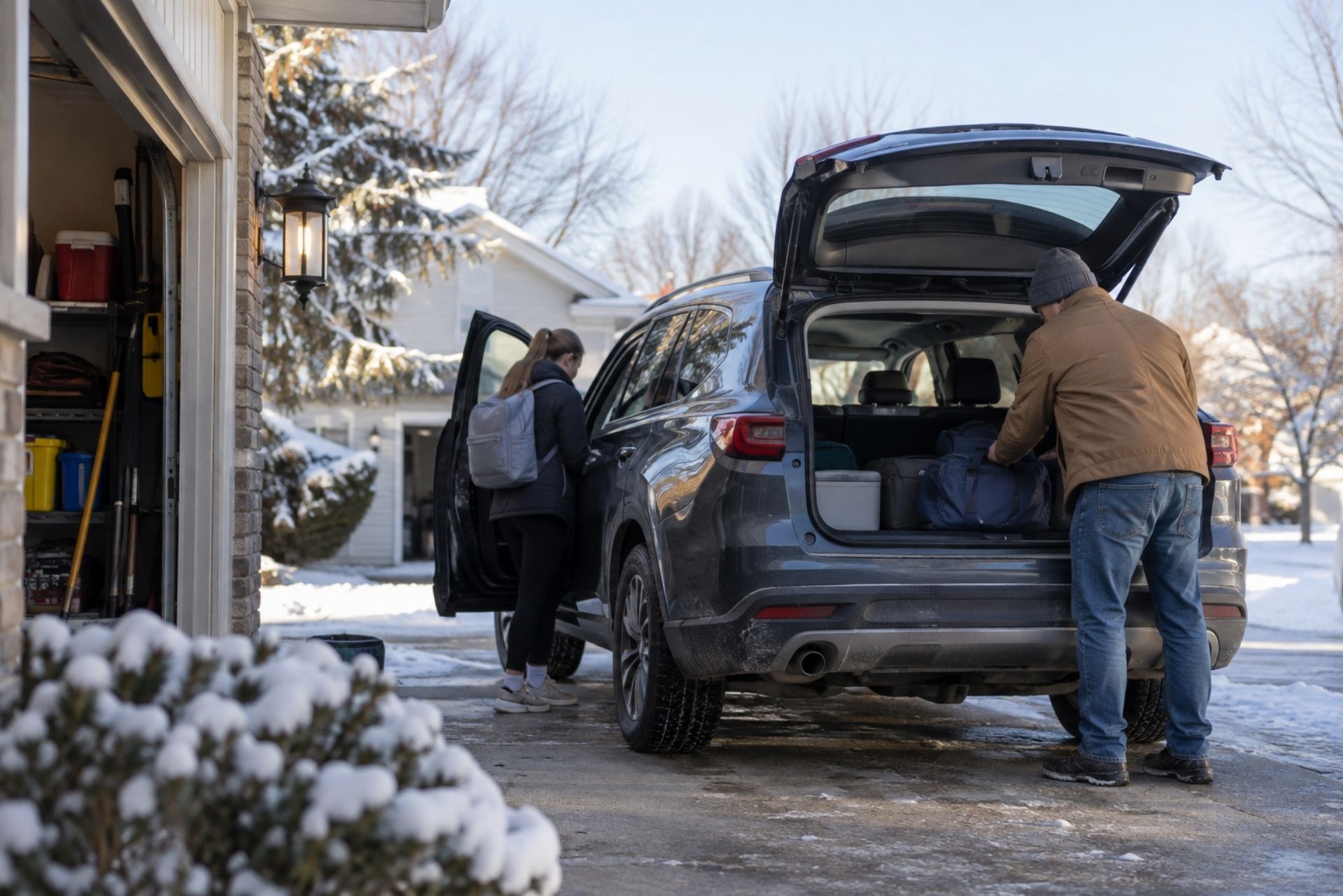
Sharing a vehicle between two households is more common than most people realize. An aging parent who borrows a child's car for weekly errands, a college student who drives a family friend's vehicle on weekends, or two divorced co-parents who shuttle kids in the same minivan: these arrangements happen across Michigan every day. Yet insuring a car that regularly crosses household lines is not as straightforward as adding a name to a policy.
Michigan's no-fault insurance system already ranks among the most complex and costly in the country. The average annual premium in the state reached $2,716, or roughly $226 per month, making coverage decisions financially significant. When you layer shared vehicle use on top of those costs, the stakes climb even higher. A gap in coverage or a misunderstanding about which policy responds first can leave you personally liable for tens of thousands of dollars in damages.
This guide is built for Michigan residents who share vehicles between separate households and need clear, practical direction on how to structure their insurance. Whether you are the vehicle owner, the regular borrower, or both, the information here will help you avoid costly mistakes and choose the right coverage arrangement.
Michigan operates under a no-fault auto insurance framework, which means that after an accident, each driver's own insurer pays for their medical expenses and certain economic losses regardless of who caused the crash. This system differs from tort-based states where the at-fault driver's insurance covers the other party's injuries. For shared vehicles, the no-fault structure creates a critical question: which insurer is responsible when the driver and the vehicle owner belong to different households?
The answer depends on a concept called "priority order," which Michigan law establishes to determine which insurer pays first. Recent court decisions have reshaped how the custody rule determines which insurer is responsible in multi-household situations, adding another layer of complexity. If you share a vehicle with someone outside your household, understanding this priority system is not optional: it is essential.
Personal Injury Protection (PIP) Across Multiple Households
Personal Injury Protection is the cornerstone of Michigan's no-fault system. PIP covers medical expenses, lost wages, and rehabilitation costs for the insured driver and passengers, regardless of fault. Since the 2020 reforms, Michigan drivers can choose from several PIP tiers, ranging from unlimited lifetime medical coverage down to a complete opt-out for those with qualifying health insurance.
The complication with shared vehicles arises because PIP follows a specific priority order. If you are injured while driving someone else's car, your own auto insurance policy typically responds first. If you do not carry your own policy, the insurer of the vehicle owner may be next in line. If neither applies, the Michigan Assigned Claims Plan becomes the last resort. For a regular borrower from a different household, carrying your own PIP coverage is the safest path. Relying on the vehicle owner's policy can create disputes, delays, and potential coverage denials.
The Role of Property Protection Insurance (PPI)
Property Protection Insurance is a mandatory coverage in Michigan that pays up to $1 million for damage your vehicle causes to other people's property, excluding other vehicles. This includes damage to buildings, fences, utility poles, and similar structures. PPI is tied to the vehicle's insurance policy, not the driver's personal policy.
This distinction matters for shared vehicles. If a borrower from another household strikes a storefront while driving your car, your PPI coverage is the one that responds. You, as the vehicle owner, bear the claims history and any resulting premium increases. Many vehicle owners do not realize this until after an incident, and the financial consequences can be significant.
By: John G. Growney
President of Oakland Insurance
Managing Insurance Policies for Multi-Household Drivers
Structuring insurance correctly for a vehicle used by people in different households requires deliberate planning. The two primary approaches are adding the other household's driver to your existing policy or having that person maintain a separate policy. Each option carries distinct advantages and risks, and the right choice depends on the frequency of use, the relationship between the parties, and the coverage levels each person needs.
Michigan insurers generally expect you to list all regular drivers on your policy. "Regular" is not precisely defined by statute, but most carriers interpret it as anyone who drives the vehicle more than a few times per month. Failing to disclose a regular driver from another household can result in a claim denial, which is a risk no one should take given Michigan's high insurance costs.
Adding Drivers vs. Separate Policies
Adding a driver from another household to your policy is the most direct approach. It ensures that the person is a named insured and that no coverage gaps exist when they are behind the wheel. The downside is that the added driver's record, age, and claims history will affect your premium. If that person has a poor driving record, your rates could increase substantially.
The alternative is for the borrower to carry a non-owner car insurance policy in Michigan, which provides liability coverage when driving vehicles they do not own. Non-owner policies are typically less expensive than standard policies, but they do not cover damage to the borrowed vehicle itself. They also do not replace the need for the vehicle owner to disclose the regular driver to their own insurer. In practice, the best protection often involves both: the borrower holds a non-owner policy, and the vehicle owner lists the borrower on their own policy.
The Concept of 'Permissive Use' in Michigan
Most Michigan auto insurance policies include permissive use provisions, which extend a degree of coverage to anyone who drives the vehicle with the owner's consent. If your neighbor borrows your car once to pick up groceries, permissive use generally covers that single trip under your policy.
The catch is that permissive use has limits. It typically applies to occasional, infrequent use. If the same person drives your vehicle every week, insurers will argue that the arrangement has moved beyond permissive use and into regular operation, which requires the driver to be listed on the policy. A claim denied on these grounds leaves both the driver and the owner exposed. Treat permissive use as a safety net for truly occasional borrowing, not as a substitute for proper coverage.
Choosing between coverage structures for a shared vehicle requires a clear understanding of what each arrangement actually provides. The table below breaks down the key differences between having the borrower listed on the owner's primary policy versus the borrower carrying secondary (non-owner) coverage.
Comparison Chart: Primary vs. Secondary Coverage
| Coverage Feature | Primary (Listed on Owner's Policy) | Secondary (Non-Owner Policy) |
|---|---|---|
| Liability for bodily injury | Full coverage under owner's policy limits | Covered under non-owner policy limits |
| Damage to the shared vehicle | Covered if collision/comprehensive included | Not covered; owner's policy must respond |
| PIP medical benefits | Follows Michigan priority order; listed driver has clear claim path | Borrower's non-owner PIP applies first |
| Effect on owner's premium | Owner's premium reflects added driver's risk profile | Owner's premium unaffected by borrower's record |
| Claim disputes | Minimal; driver is a named insured | Possible disputes over which policy pays first |
| Best for | Frequent, regular shared use | Occasional use with clear boundaries |
For households that share a vehicle multiple times per week, listing the borrower on the primary policy is the more reliable option despite the potential premium increase. Non-owner policies work best as a supplement or for situations where borrowing is genuinely sporadic.
Common Pitfalls When Sharing Vehicles Between Families
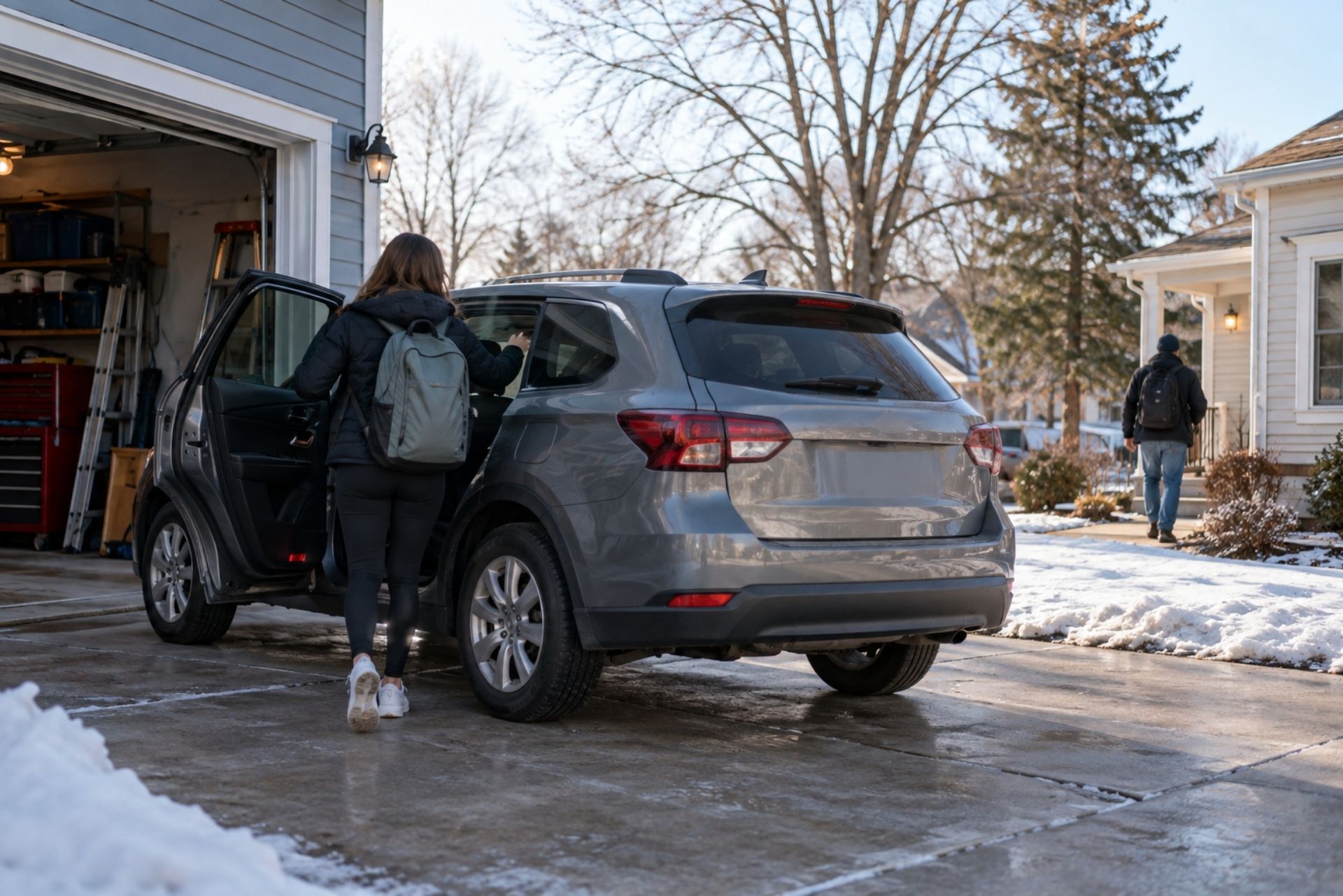
Even well-intentioned arrangements between families can create serious insurance problems. Two mistakes surface more often than any others, and both can result in denied claims or policy cancellations.
Failure to Disclose Garage Location
Michigan insurers set premiums partly based on where a vehicle is primarily garaged. If your car spends most nights at a family member's home in a different city or ZIP code, your policy should reflect that location. Rates in Detroit, for example, are significantly higher than in rural counties. Garaging a vehicle at one address while insuring it at another constitutes material misrepresentation.
Insurers investigate garaging fraud aggressively, and Michigan has seen legislative proposals aimed at addressing insurance claim denials that stem from these types of discrepancies. If the vehicle regularly stays at the borrower's address, update your policy to reflect the correct garaging location. The premium adjustment is far less painful than a denied claim after a serious accident.
Lapse in Coverage Risks for Non-Owners
A borrower who does not own a vehicle may assume they do not need any auto insurance at all. This assumption creates a dangerous gap. If the borrower is involved in an accident while driving the shared vehicle and the owner's insurer denies the claim for any reason, such as undisclosed regular use, the borrower has no fallback coverage.
Michigan law also imposes penalties for driving without insurance, including license suspension and fines. A non-owner policy costs relatively little and provides a critical safety net. Michigan's no-fault system has undergone
significant changes since the 2020 reforms, and the coverage requirements can catch uninsured drivers off guard. Maintaining continuous coverage, even a non-owner policy, protects both your driving privileges and your financial security.
Does my insurance cover someone from another household who borrows my car once? Yes, most Michigan policies include permissive use coverage for occasional borrowers. If the person drives your vehicle regularly, they should be listed on your policy.
Can two households share one insurance policy on a single vehicle? No. Michigan auto insurance policies are issued to a named insured at a specific address. Two separate households cannot share a single policy, but a driver from another household can be added to the vehicle owner's policy.
Will my rates increase if I add a driver from another household? Likely yes. Your insurer will factor in the added driver's age, driving history, and claims record. The increase varies by carrier, so shopping quotes from multiple insurers is worthwhile.
What happens if the borrower causes an accident and is not listed on my policy? Your insurer may deny the claim if the borrower was a regular, undisclosed driver. You could be personally liable for damages, and your policy could be cancelled.
Is non-owner car insurance required in Michigan? It is not legally required, but it is strongly recommended for anyone who regularly drives a vehicle they do not own. It provides liability coverage and helps maintain continuous insurance history.
How does Michigan's no-fault system affect shared vehicle claims? Each person's own insurer typically pays their PIP benefits first, regardless of fault. The priority order can shift depending on whether the driver is insured, which makes proper coverage for shared vehicles between Michigan households critical.
Sharing a vehicle between households in Michigan demands more than a handshake agreement. The state's no-fault system, its priority rules for PIP claims, and the high cost of coverage all mean that a poorly structured arrangement can result in denied claims, personal liability, and even legal penalties.
Your first step should be an honest conversation with your insurance agent about how the vehicle is actually used. Disclose every regular driver, confirm the correct garaging address, and ask specifically about how your policy handles drivers from other households. If the borrower does not carry their own coverage, a non-owner policy is an affordable way to close the gap.
The right insurance setup protects both the vehicle owner and the borrower. It prevents disputes between insurers, ensures PIP benefits flow without delay after an accident, and keeps premiums predictable. Take the time now to review your policy, ask the right questions, and make adjustments before a claim forces the issue. A few minutes of planning today can save you thousands of dollars and significant stress down the road.
About The Author:
John G. Growney
As President of Oakland Insurance, I bring over 25 years of experience in every aspect of the insurance industry — from customer service to sales and agency management. As a Licensed Insurance Counselor (LIC) and Certified Insurance Counselor (CIC), I’m dedicated to helping clients make confident decisions about their coverage. I earned my B.A. in Business from Michigan State University and currently live in Clarkston, Michigan with my two children and our rescue dogs.
Contact Us Page
Your Business Insurance Solutions
Workers Comp Insurance

Workers' compensation insurance is a type of insurance that provides benefits to employees who are injured or become ill as a result of their job. These benefits may include medical expenses, lost wages, and disability payments.
COMMERCIAL AUTO INSURANCE

Commercial auto insurance is a type of insurance that covers vehicles used for business purposes. This includes cars, trucks, vans and other vehicles owned by a company and used by employees for work-related activities.
PROFESSIONAL LIABILITY
Professional liability insurance, also known as errors and omissions insurance, is a type of insurance that protects businesses and individuals from financial losses resulting from claims of professional negligence or failure to perform professional duties.
BUSINESS OWNERS POLICY (BOP INSURANCE)
Business Owners Policy (BOP) insurance is a package policy that combines general liability insurance and property insurance for small and medium-sized businesses. It is designed to provide coverage for common risks such as property damage, liability claims, and business interruption.
Our Process
Oakland Insurance has an efficient, customer-focused approach when working with business owners looking for business insurance in Michigan.
1. Consultation
This begins from the moment a business owner reaches out for business insurance. Our business mindset helps us approach every consultation process as an opportunity to learn about a business and its needs, so we can recommend the best business insurance coverage that fits their situation.
2. Insurance Options
We take pride in our attention to detail: from fine-tuning insurance plans to contacting multiple competing carriers, we ensure our clients receive effective business insurance solutions tailored to their unique goals and operations.
3. Claims
We know that the claims process can be complex and time-consuming. That’s why Oakland Insurance works with clients to file and track their claims quickly and efficiently, so they can get back to running their businesses with minimal disruption.
4. Customer Service
Oakland Insurance provides ongoing support and advice to clients who have questions about their business insurance policies or need additional coverage. Our experienced team is dedicated to helping our clients make informed decisions regarding their commercial insurance needs.
Contact us today to get started!
Industries Served In Michigan
Electrician
Insurance
Electricians typically need liability insurance to protect themselves from claims of property damage or bodily injury caused by their work.
Contractor Insurance
General contractors typically need workers' compensation insurance to cover medical expenses and lost wages for any on-the-job injuries.
Carpenters Insurance
Carpenters may need workers' compensation insurance to cover medical expenses and lost wages for any on-the-job injuries.
Auto Dealer
Insurance
Automobile dealer's may need physical damage insurance to cover damages to the vehicles on their lot and garage liability insurance to cover any injuries that occur on their premises.
Commercial Buildings Insurance
Commercial building owners typically need property insurance to protect their building and contents from damage or loss due to covered perils such as fire or theft.
Hotel & Motel Insurance
Hotels & Motels typically need may also need liability insurance to protect themselves from claims of bodily injury or property damage caused by their operations, and workers' compensation insurance to cover medical expenses and lost wages for any on-the-job injuries.
Cost of Business Insurance in Michigan
The cost of business insurance in Michigan can vary depending on a number of factors, including the type of business, its size, location, and the level of coverage needed. Some of the most common types of business insurance policies in Michigan include general liability insurance, property insurance, workers' compensation, and professional liability insurance.
General liability insurance is typically required for most businesses and can protect against claims of bodily injury or property damage caused by your business operations. The cost of this coverage can range from a few hundred dollars per year for a small business to several thousand dollars per year for a larger business.
Property insurance is another important type of coverage for businesses in Michigan and can protect against damage to buildings, equipment, and inventory. The cost of this coverage can vary depending on the value of the property and the level of protection needed.
Workers' compensation is mandatory for most businesses in Michigan and can protect against claims made by employees who are injured or become ill as a result of their work. The cost of this coverage is typically based on the number of employees and their salaries.
Professional liability insurance is often required for businesses that provide professional services, such as consulting or legal advice. This type of coverage can protect against claims of negligence or errors and omissions. The cost of this coverage can vary depending on the type of business and the level of protection needed.
Overall, the cost of business insurance in Michigan can vary widely depending on the specific needs of the business. It is important to work with a reputable insurance agent who can help you determine the right coverage for your business and provide you with competitive quotes.


Why Choose Us
Oakland Insurance offers comprehensive small business liability insurance in Michigan. Our experienced team will take the time to understand a client’s needs and provide tailored solutions that meet their unique requirements.
We offer competitive rates and have access to numerous carriers, so we can work with our customers to help them get the best coverage for their budget. Our commitment to providing exceptional customer service means we are always available for advice and support when needed.
Testimonials
What Our Commercial Insurance Clients Are Saying