
Email us today!


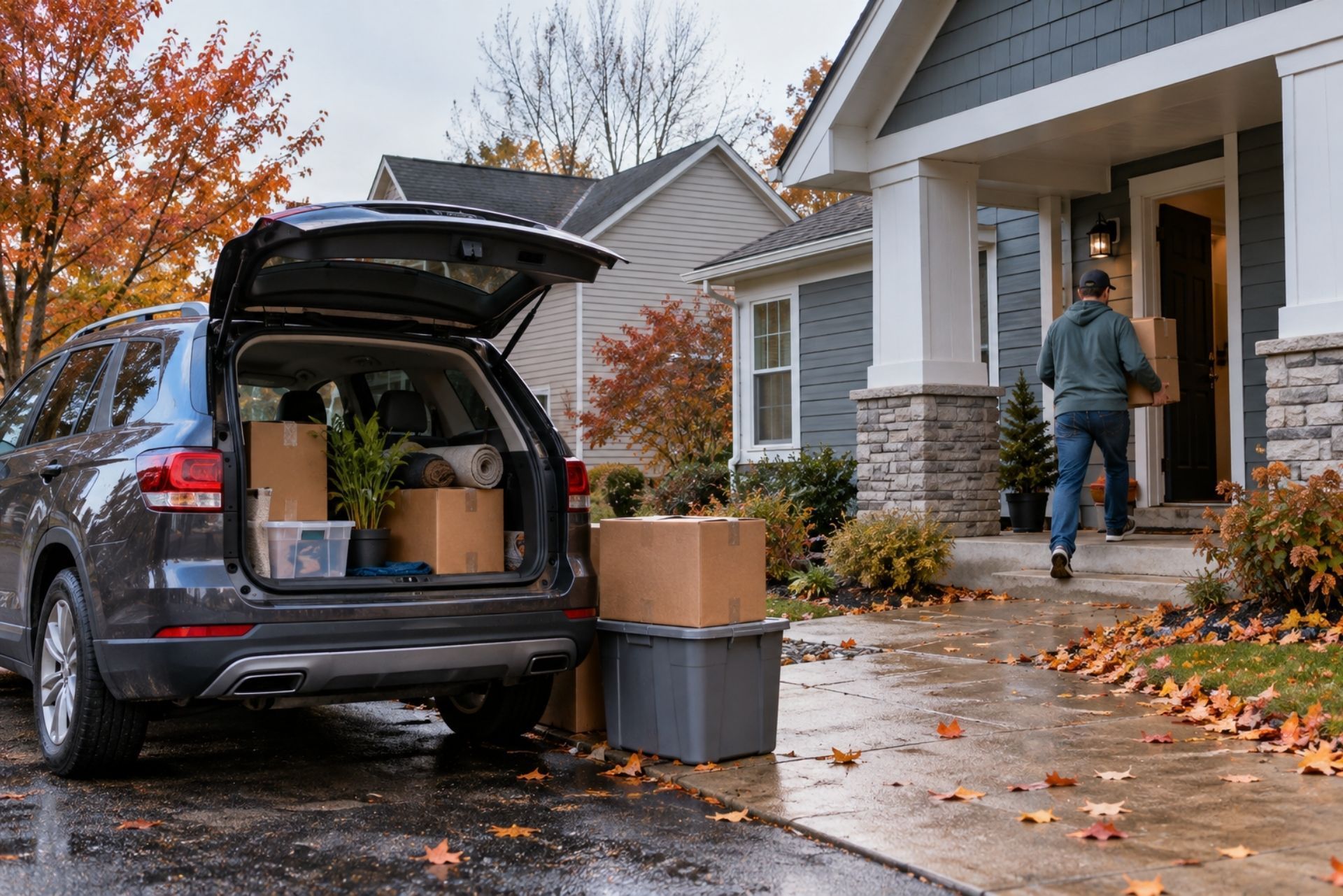
Moving to a new city or neighborhood within Michigan can affect your
auto insurance in ways that many drivers do not anticipate. Your premium is tied to your specific address, and even a short move across town can shift your rate up or down by hundreds of dollars a year. Michigan's unique no-fault insurance system adds another layer of complexity, because the coverage choices you made at your old address may no longer be the best fit for your new location. Whether you are relocating from
Grand Rapids to Traverse City or from a quiet suburb into downtown Detroit, understanding how auto insurance works after moving within Michigan will help you avoid coverage gaps, billing surprises, and potential claim denials. The steps you take in the first few weeks after your move matter more than most people realize, and a proactive approach can save you both money and frustration. This guide walks through the specific rules, timelines, and rating factors that apply to Michigan drivers who change their address without leaving the state.
Updating Your Policy After a Michigan Move
Your auto insurance policy is a contract built around specific details, and your home address is one of the most important. Insurers use your address to calculate risk, determine available discounts, and verify that your coverage meets local requirements. Failing to update your address promptly can create problems that range from a simple billing error to a denied claim.
The good news is that an in-state move does not require you to cancel your existing policy and start from scratch. You can typically update your address with a phone call or through your insurer's online portal. That said, the update itself may trigger a rate recalculation, so you should be prepared for your premium to change on your next billing cycle.
Timeline for Notifying Your Insurer
Michigan does not impose a specific statutory deadline for notifying your insurance company about an address change, but most policy contracts require you to report material changes "as soon as practicable" or within 30 days. The safest approach is to contact your insurer within the first week of your move. Waiting too long creates a window where your policy information is inaccurate, which could complicate a claim if you are involved in an accident at your new address. You should also update your address with the Michigan Secretary of State within 10 days, as required by state law, and your insurer may cross-reference that information.
Why Your New Zip Code Affects Your Rate
Insurance companies assign a territorial rating to every zip code in Michigan based on historical claims data, traffic density, crime statistics, and weather patterns. A zip code with a high frequency of collision claims or vehicle thefts will carry a higher territorial rating than a rural area with minimal claims activity. Michigan cities like Detroit, Flint, and Saginaw consistently rank among the most expensive areas for auto insurance in the country, while smaller cities such as Marquette and Traverse City tend to have lower premiums. Your new zip code is not the only factor in your rate, but it is one of the most influential, and it can cause your premium to shift significantly in either direction.
By: John G. Growney
President of Oakland Insurance
Michigan No-Fault Laws and Coverage Choices
Michigan operates under a no-fault auto insurance system, which means your own policy pays for your medical expenses and certain economic losses after an accident regardless of who caused it. This system has undergone significant reform in recent years, and the state continues to refine its approach to lowering costs while preserving consumer protections. Understanding your options under this system is essential, especially after a move that might change your risk profile.
Personal Injury Protection (PIP) Options
Since the 2019 reform law took effect, Michigan drivers have been able to choose from multiple PIP coverage levels rather than being locked into unlimited lifetime medical benefits. Your options include unlimited coverage, a $500,000 cap, a $250,000 cap, a $50,000 cap (if you have qualifying health insurance), or a full PIP opt-out (available only to those enrolled in Medicare). Effective July 1, 2026, the mandatory MCCA per-vehicle assessment is $84 for unlimited PIP coverage and $19 for all other PIP levels, which represents a continued reduction from the pre-reform assessments that once exceeded $200 per vehicle. Your choice of PIP level directly affects your premium, and a move to a higher-cost area may make it worth reconsidering which tier best balances your budget and your medical coverage needs.
Property Protection Insurance (PPI)
Every Michigan auto policy must include Property Protection Insurance, which covers damage your vehicle causes to other people's property in Michigan, up to $1 million per occurrence. PPI is a mandatory component of your no-fault coverage, and it applies to damage to buildings, fences, parked vehicles, and other fixed objects. This coverage is not optional, and your insurer will include it automatically. One common mistake drivers make after moving is assuming that PPI covers damage to their own property, such as their garage door. It does not. PPI only covers damage to property belonging to others.
Comparing Michigan Coverage Levels
Choosing the right coverage levels requires balancing state minimum requirements against the actual financial risk you face. Michigan's minimums are designed as a legal floor, not a recommended standard, and many drivers discover after a claim that minimum limits leave them personally exposed to significant costs.
Comparison Table: State Minimums vs. Recommended Limits
| Coverage Type | Michigan Minimum | Recommended Level |
|---|---|---|
| Bodily Injury Liability | $50,000 per person / $100,000 per accident | $250,000 per person / $500,000 per accident |
| Property Damage Liability | $10,000 per accident | $100,000 per accident |
| PIP (Medical) | $50,000 (with qualifying health insurance) | $250,000 or unlimited, depending on health coverage |
| Uninsured Motorist | Not required | $250,000 per person / $500,000 per accident |
| Collision | Not required | Actual cash value with $500 deductible |
| Comprehensive | Not required | Actual cash value with $250 deductible |
Michigan's property damage liability minimum of $10,000 is notably low. A single accident involving a newer vehicle can easily exceed that amount, leaving you responsible for the difference. Drivers who move to urban areas with higher traffic volumes should strongly consider raising their liability limits, as the probability of a multi-vehicle accident increases. The
average cost of car insurance in Michigan remains among the highest in the nation, which makes it tempting to buy minimum coverage, but the financial consequences of being underinsured after a serious accident far outweigh the monthly savings.
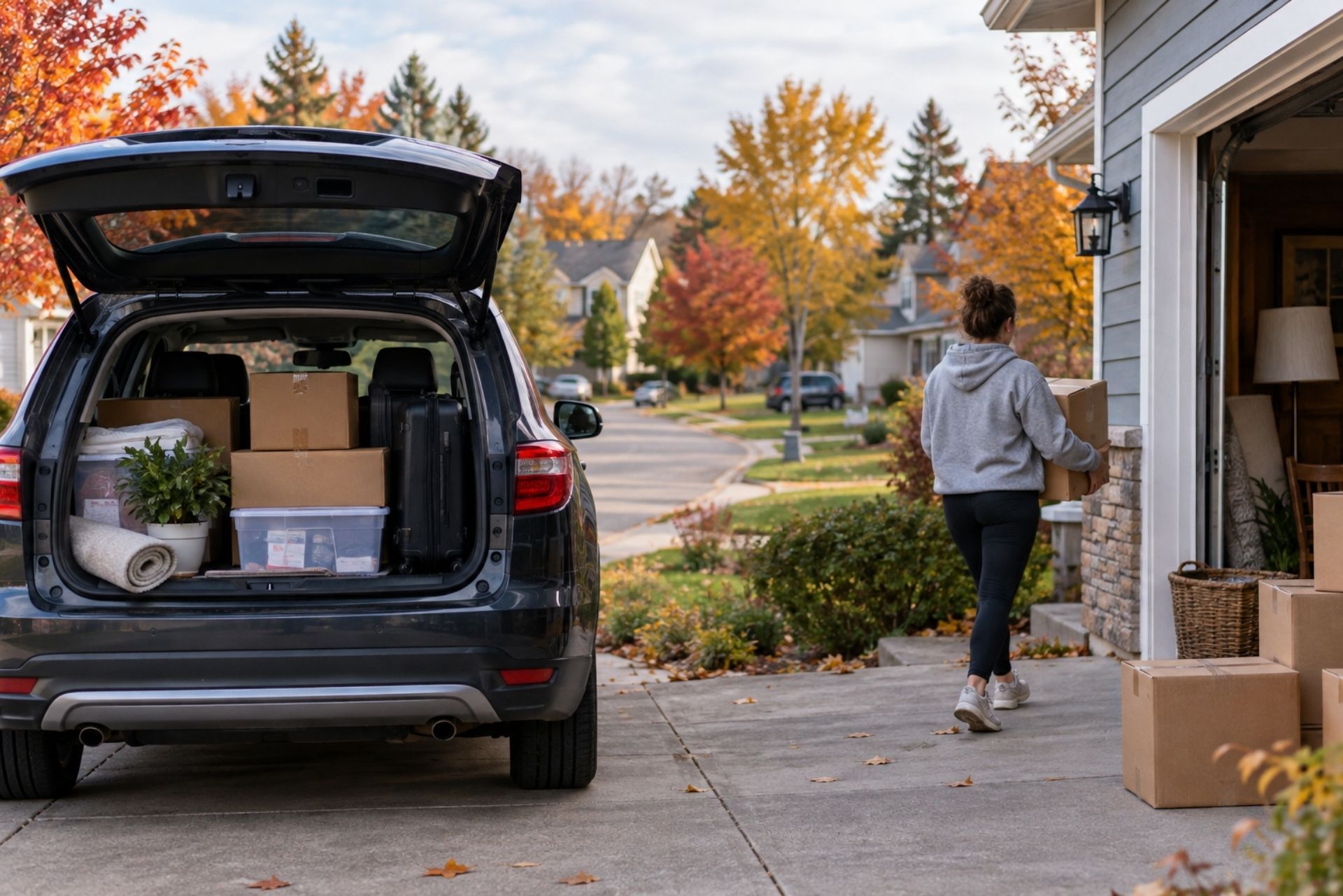
Your premium after a Michigan move is shaped by several location-specific variables. Insurers do not simply look at your zip code in isolation. They evaluate a combination of environmental, behavioral, and infrastructural factors tied to your new address.
Urban vs. Rural Risk Profiles
Urban areas in Michigan carry higher insurance costs primarily because of increased claim frequency. More vehicles on the road means more accidents, and densely populated areas tend to have higher rates of vehicle theft, vandalism, and hit-and-run incidents. A driver moving from a rural township in the Upper Peninsula to a city like Lansing or Ann Arbor should expect a noticeable premium increase. Conversely, moving from an urban center to a smaller community often results in savings. City-level rate differences in Michigan can be dramatic, with some urban zip codes costing two or three times as much as their rural counterparts for identical coverage.
Commute Length and Daily Mileage
Your daily commute plays a direct role in your premium calculation. Insurers ask about your estimated annual mileage because more time on the road statistically increases your exposure to accidents. If your move shortens your commute, make sure to report the change, as it could qualify you for a lower rate. Some Michigan insurers offer usage-based or pay-per-mile programs that reward low-mileage drivers with significant discounts. If your new home puts you closer to work, this is one of the easiest ways to offset any zip-code-related rate increase.
Parking and Storage Safety
Where you park your car overnight matters to your insurer. A vehicle stored in a locked garage is less likely to be stolen, vandalized, or damaged by weather than one parked on the street. If your new home includes a garage or a secured parking structure, report that change to your insurer. In Michigan, where winter weather can cause hail damage, falling ice, and tree limb impacts, covered parking can reduce your comprehensive claim risk and may earn you a small discount. Street parking in a high-crime neighborhood, on the other hand, can push your comprehensive and collision premiums higher.
Frequently Asked Questions About Moving in Michigan
Do I need to get a new policy if I stay in Michigan?
No. An in-state move does not require a new policy. You simply need to update your address with your current insurer, and they will adjust your rate based on your new location. Your policy number, coverage history, and claims record remain intact.
How long do I have to update my address with the Secretary of State?
Michigan law requires you to notify the Secretary of State of an address change within 10 days of your move. You can do this online, by mail, or at a branch office. Keeping your vehicle registration current also helps ensure your insurance records stay accurate.
Will my car insurance go up if I move to Detroit?
In most cases, yes. Detroit consistently ranks as one of the most expensive cities in the country for auto insurance due to high claim frequency, uninsured motorist rates, and vehicle theft statistics. Michigan premium data shows that Detroit-area drivers pay significantly more than the state average, though the 2019 reform law has helped moderate some of those costs. Shopping around and adjusting your PIP level can help manage the increase.
Can I keep my old agent if I move across the state?
Yes. Most Michigan insurance agents can service clients anywhere in the state, and many handle policy changes remotely. If your agent works for a carrier that operates statewide, there is no requirement to switch. That said, a local agent in your new area may have better knowledge of regional discounts or preferred body shops.
What happens if I forget to update my address on my insurance?
Your insurer could deny a claim or reduce your payout if they determine that your address was inaccurate at the time of a loss. An outdated address also means your premium does not reflect your actual risk, which could be considered a material misrepresentation. In serious cases, the insurer could cancel or non-renew your policy. The simplest way to avoid this problem is to update your address as soon as you move.
Making the Right Choice for Your New Home
Relocating within Michigan is an opportunity to reassess your entire auto insurance setup, not just your address. Your new zip code, commute, parking situation, and even your proximity to fire hydrants and emergency services can all influence what you pay and what coverage makes sense. Take the time to review your PIP election, liability limits, and deductibles with your agent or insurer within the first week of your move.
If your premium increases after the move, request quotes from at least three other carriers before accepting the new rate. Michigan's insurance market is competitive, and bipartisan legislative efforts continue to push for clearer standards and lower costs for consumers. You have more options than you might think.
The single most important step is also the simplest: pick up the phone or log in to your insurer's portal and update your address today. Everything else, from rate shopping to coverage adjustments, flows from that one action. Your future self, and your wallet, will thank you for handling it now rather than after a claim forces the issue.
About The Author:
John G. Growney
As President of Oakland Insurance, I bring over 25 years of experience in every aspect of the insurance industry — from customer service to sales and agency management. As a Licensed Insurance Counselor (LIC) and Certified Insurance Counselor (CIC), I’m dedicated to helping clients make confident decisions about their coverage. I earned my B.A. in Business from Michigan State University and currently live in Clarkston, Michigan with my two children and our rescue dogs.
Contact Us Page
Your Business Insurance Solutions
Workers Comp Insurance

Workers' compensation insurance is a type of insurance that provides benefits to employees who are injured or become ill as a result of their job. These benefits may include medical expenses, lost wages, and disability payments.
COMMERCIAL AUTO INSURANCE

Commercial auto insurance is a type of insurance that covers vehicles used for business purposes. This includes cars, trucks, vans and other vehicles owned by a company and used by employees for work-related activities.
PROFESSIONAL LIABILITY
Professional liability insurance, also known as errors and omissions insurance, is a type of insurance that protects businesses and individuals from financial losses resulting from claims of professional negligence or failure to perform professional duties.
BUSINESS OWNERS POLICY (BOP INSURANCE)
Business Owners Policy (BOP) insurance is a package policy that combines general liability insurance and property insurance for small and medium-sized businesses. It is designed to provide coverage for common risks such as property damage, liability claims, and business interruption.
Our Process
Oakland Insurance has an efficient, customer-focused approach when working with business owners looking for business insurance in Michigan.
1. Consultation
This begins from the moment a business owner reaches out for business insurance. Our business mindset helps us approach every consultation process as an opportunity to learn about a business and its needs, so we can recommend the best business insurance coverage that fits their situation.
2. Insurance Options
We take pride in our attention to detail: from fine-tuning insurance plans to contacting multiple competing carriers, we ensure our clients receive effective business insurance solutions tailored to their unique goals and operations.
3. Claims
We know that the claims process can be complex and time-consuming. That’s why Oakland Insurance works with clients to file and track their claims quickly and efficiently, so they can get back to running their businesses with minimal disruption.
4. Customer Service
Oakland Insurance provides ongoing support and advice to clients who have questions about their business insurance policies or need additional coverage. Our experienced team is dedicated to helping our clients make informed decisions regarding their commercial insurance needs.
Contact us today to get started!
Industries Served In Michigan
Electrician
Insurance
Electricians typically need liability insurance to protect themselves from claims of property damage or bodily injury caused by their work.
Contractor Insurance
General contractors typically need workers' compensation insurance to cover medical expenses and lost wages for any on-the-job injuries.
Carpenters Insurance
Carpenters may need workers' compensation insurance to cover medical expenses and lost wages for any on-the-job injuries.
Auto Dealer
Insurance
Automobile dealer's may need physical damage insurance to cover damages to the vehicles on their lot and garage liability insurance to cover any injuries that occur on their premises.
Commercial Buildings Insurance
Commercial building owners typically need property insurance to protect their building and contents from damage or loss due to covered perils such as fire or theft.
Hotel & Motel Insurance
Hotels & Motels typically need may also need liability insurance to protect themselves from claims of bodily injury or property damage caused by their operations, and workers' compensation insurance to cover medical expenses and lost wages for any on-the-job injuries.
Cost of Business Insurance in Michigan
The cost of business insurance in Michigan can vary depending on a number of factors, including the type of business, its size, location, and the level of coverage needed. Some of the most common types of business insurance policies in Michigan include general liability insurance, property insurance, workers' compensation, and professional liability insurance.
General liability insurance is typically required for most businesses and can protect against claims of bodily injury or property damage caused by your business operations. The cost of this coverage can range from a few hundred dollars per year for a small business to several thousand dollars per year for a larger business.
Property insurance is another important type of coverage for businesses in Michigan and can protect against damage to buildings, equipment, and inventory. The cost of this coverage can vary depending on the value of the property and the level of protection needed.
Workers' compensation is mandatory for most businesses in Michigan and can protect against claims made by employees who are injured or become ill as a result of their work. The cost of this coverage is typically based on the number of employees and their salaries.
Professional liability insurance is often required for businesses that provide professional services, such as consulting or legal advice. This type of coverage can protect against claims of negligence or errors and omissions. The cost of this coverage can vary depending on the type of business and the level of protection needed.
Overall, the cost of business insurance in Michigan can vary widely depending on the specific needs of the business. It is important to work with a reputable insurance agent who can help you determine the right coverage for your business and provide you with competitive quotes.


Why Choose Us
Oakland Insurance offers comprehensive small business liability insurance in Michigan. Our experienced team will take the time to understand a client’s needs and provide tailored solutions that meet their unique requirements.
We offer competitive rates and have access to numerous carriers, so we can work with our customers to help them get the best coverage for their budget. Our commitment to providing exceptional customer service means we are always available for advice and support when needed.
Testimonials
What Our Commercial Insurance Clients Are Saying