
Email us today!


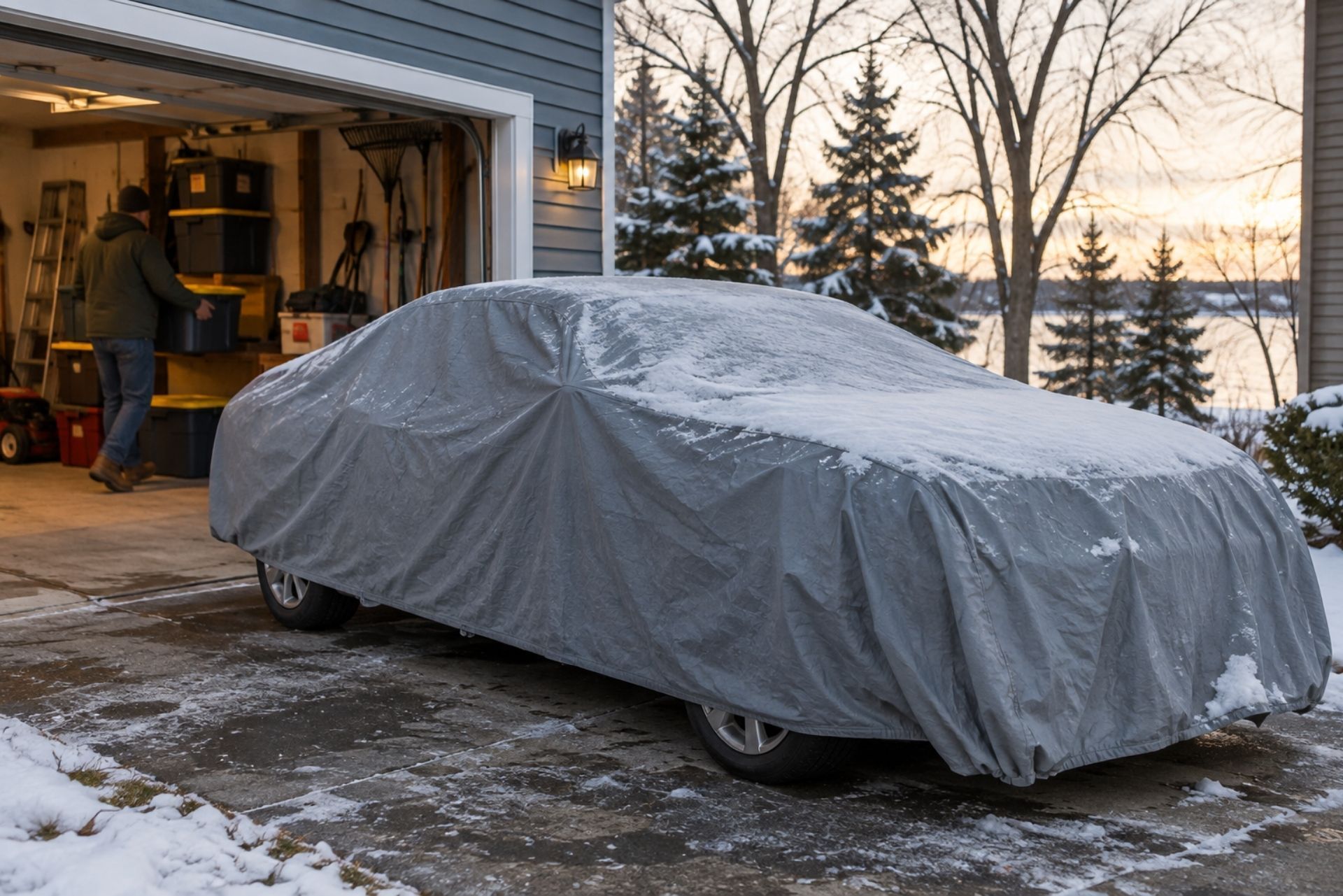
If you own a classic car, a seasonal convertible, or a second vehicle that sits idle through Michigan winters, you already know the sting of paying full premiums year-round for a car that does not leave the garage. Michigan remains one of the most expensive states for auto insurance, even after the 2019 no-fault reform law brought some relief. The good news is that you do not have to choose between full-price coverage and going completely uninsured. Insurance options for stored vehicles in Michigan offer a middle path that protects your investment without draining your bank account every month.
Understanding how these storage policies work, what they cover, and what legal steps you need to take is critical before you park your car for the season. A single misstep, such as canceling your policy outright or failing to notify the Secretary of State, can lead to fines, registration holds, or a costly gap in your insurance history. This guide walks you through the requirements, savings, risks, and practical steps so you can make a confident, informed decision about insuring your temporarily stored vehicle in Michigan.
Understanding Michigan's Storage Insurance Requirements
Michigan's no-fault insurance system is unique in the country, and that uniqueness extends to how the state handles vehicles that are not being driven. The state requires every registered vehicle to carry minimum insurance coverage, but it also provides a specific process for owners who want to temporarily remove a vehicle from active use. If you follow that process correctly, you can reduce your coverage and your costs significantly while staying on the right side of the law.
The key distinction in Michigan is between a "driven" vehicle and a "stored" vehicle. A driven vehicle must carry liability, personal injury protection (PIP), and uninsured/underinsured motorist coverage at minimum. A stored vehicle, by contrast, does not need those coverages because it is not on the road. But the process for declaring a vehicle stored involves more than just parking it in your garage and calling your insurer.
The Role of Personal Injury Protection (PIP) in Michigan
PIP coverage is the backbone of Michigan's no-fault system. It pays for medical expenses, lost wages, and rehabilitation costs after an accident, regardless of who was at fault. Since the 2019 reform, Michigan drivers have been able to choose from multiple PIP tiers rather than being locked into unlimited lifetime medical benefits. The Michigan Catastrophic Claims Association (MCCA) reduced its annual assessment fee to just $7 as of July 2024, a dramatic drop from the hundreds of dollars drivers once paid.
For a stored vehicle, PIP is not required because no one should be driving the car and therefore no one is at risk of injury from it. Removing PIP alone can save you a meaningful amount on your premium. That said, the moment you take the car back on the road, you must reinstate PIP and all other required coverages before turning the key.
Legal Requirements for Non-Driven Vehicles
Michigan law does not allow you to simply drop all insurance and keep your vehicle registered. If you cancel your insurance entirely, your insurer is required to notify the Secretary of State, which can trigger a registration suspension and potential fines. The proper approach is to either maintain a storage-only policy or formally surrender your plate and notify the state that the vehicle is no longer in use.
Many owners find the storage-only policy route more convenient because it avoids the hassle of re-registering the vehicle and obtaining a new plate when the car returns to active duty. Online discussions among Michigan drivers confirm that
navigating the storage insurance process can be confusing, especially for those doing it for the first time. The rules are straightforward once you understand them, but the consequences of getting them wrong are real.
By: John G. Growney
President of Oakland Insurance
Comprehensive-Only Coverage vs. Standard Policies
The most common approach for insuring a stored vehicle in Michigan is a comprehensive-only policy, sometimes called a "storage-only" or "parked car" policy. This type of coverage strips away everything related to driving, including liability, collision, and PIP, and retains only comprehensive protection. Comprehensive covers events that happen to your car while it is stationary: theft, vandalism, fire, falling objects, weather damage, and animal intrusion.
This makes intuitive sense. If your car is sitting in a locked garage or a storage facility, you do not need liability coverage because the car is not interacting with other vehicles or pedestrians. You do not need collision coverage because the car is not moving. What you do need is protection against the unpredictable events that can still damage a parked vehicle.
How Storage Plans Save Money
The savings from switching to a comprehensive-only policy can be substantial. A standard full-coverage policy in Michigan might cost $2,500 to $4,000 per year depending on your vehicle, location, and driving history. A comprehensive-only storage policy for the same vehicle might run $200 to $600 annually, representing savings of 70% to 85% during the storage period.
Those savings add up quickly if you store your vehicle for four to six months each year. The 2019 no-fault reforms have already helped many Michigan drivers reduce their overall insurance costs, and combining those reforms with a storage policy during the off-season compounds the benefit. For owners of classic cars or seasonal vehicles, this approach is one of the most effective ways to keep costs manageable.
Risks of Canceling Coverage Entirely
Some vehicle owners consider canceling their insurance entirely during storage rather than maintaining a comprehensive-only policy. This is a risky strategy for several reasons. First, a lapse in coverage creates a gap in your insurance history, which nearly every insurer penalizes with higher rates when you reinstate. Second, as mentioned, canceling triggers a notification to the Secretary of State that can result in registration issues.
Third, and perhaps most overlooked, canceling leaves your vehicle completely unprotected. A garage fire, a burst pipe that floods your storage space, or a break-in would leave you bearing the full financial loss. Insurance professionals consistently warn that
storage-only coverage still leaves some exposure, so going without any coverage at all magnifies that risk considerably. The modest cost of a comprehensive-only policy is almost always worth the peace of mind.
Comparison: Active Driving vs. Storage Coverage
Understanding the practical differences between a full active policy and a storage policy helps clarify what you are giving up and what you are keeping. The table below breaks down the key coverage elements side by side.
Coverage Comparison Table
| Coverage Element | Active Driving Policy | Storage-Only Policy |
|---|---|---|
| Liability (Bodily Injury/Property Damage) | Required | Not included |
| Personal Injury Protection (PIP) | Required | Not included |
| Uninsured/Underinsured Motorist | Required | Not included |
| Collision | Optional but common | Not included |
| Comprehensive | Optional but common | Included |
| Roadside Assistance | Optional | Not included |
| Rental Reimbursement | Optional | Not included |
| Estimated Annual Cost (Michigan avg.) | $2,500 - $4,000+ | $200 - $600 |
| Can You Legally Drive the Vehicle? | Yes | No |
The contrast is clear. A storage policy is designed for one purpose: protecting a vehicle that is not being operated. The moment you intend to drive the car again, even to move it across a parking lot, you need to reinstate full coverage first.
Steps to Transition Your Vehicle to Storage Status
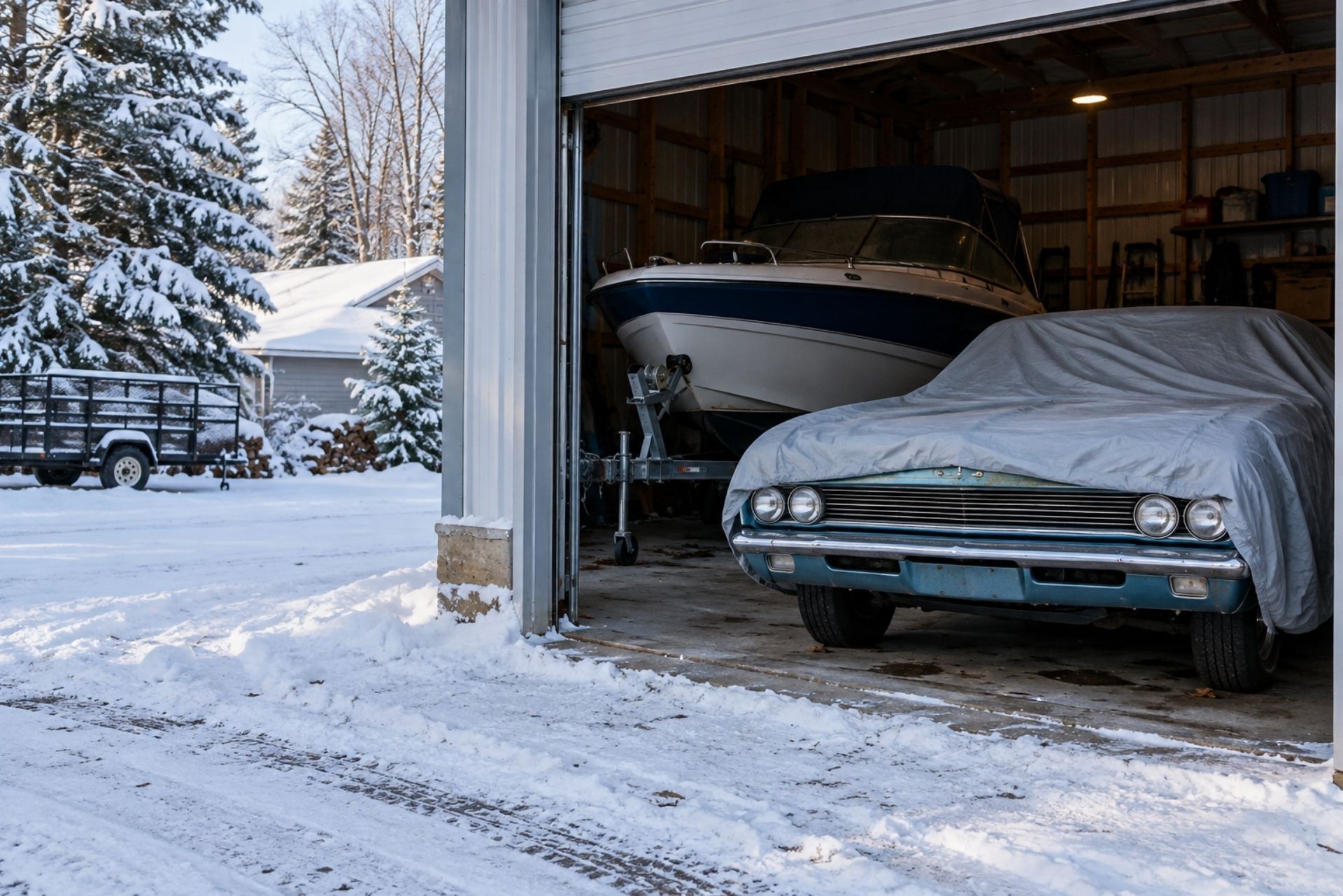
Switching from an active policy to a storage policy is not complicated, but it does require you to follow specific steps in the right order. Skipping a step or doing things out of sequence can create legal and financial problems.
Notifying Your Insurance Provider
Your first call should be to your insurance agent or carrier. Tell them the specific date you plan to stop driving the vehicle and request a switch to comprehensive-only or storage-only coverage. Most insurers in Michigan are familiar with this request, especially for classic car owners and snowbirds. Your insurer will adjust your policy, reduce your premium, and issue updated documentation.
Get written confirmation of the change, including the effective date and the specific coverages that remain in place. Keep this documentation with your vehicle records. When the time comes to put the car back on the road, contact your insurer before you drive it, not after. Reinstating full coverage typically takes effect the same day if you call ahead.
Secretary of State (SOS) Notification Rules
If you choose to surrender your license plate rather than maintain a storage policy, you must notify the Michigan Secretary of State. You can do this by returning your plate to an SOS office or mailing it in. This step is essential because it formally removes the registration requirement and prevents the state from flagging your vehicle as uninsured.
If you keep your plate and simply switch to a storage policy, your insurer handles the notification to the state. The vehicle remains registered but is flagged as non-driven. Michigan drivers who have experienced the effects of the state's auto insurance overhaul know that staying in compliance with state reporting requirements is one of the simplest ways to avoid unnecessary headaches and fees.
Common Questions About Storing Vehicles in Michigan
FAQ: Can I drive my car at all with storage insurance?
No. A storage-only policy does not include liability or PIP coverage, which means driving the vehicle is illegal in Michigan. Even a short trip to a mechanic requires you to reinstate full coverage first. If you are caught driving with only comprehensive coverage, you face the same penalties as driving uninsured.
FAQ: Do I need to keep my registration active while stored?
You have two options. You can keep your registration active and maintain a comprehensive-only policy, or you can surrender your plate to the Secretary of State and cancel your insurance entirely. The first option is simpler if you plan to drive the car again within a few months.
FAQ: Does storage insurance cover theft or fire?
Yes. Comprehensive coverage specifically protects against theft, fire, vandalism, weather events, and animal damage. These are the primary risks for a parked vehicle, and they are the reason most financial advisors recommend maintaining at least comprehensive coverage during storage.
FAQ: How long must a car be parked to qualify for a storage rate?
There is no strict minimum duration set by Michigan law. Most insurers will allow you to switch to a storage policy for as little as 30 days, though the process is most practical for vehicles stored for two months or longer. Switching back and forth too frequently may prompt your insurer to question whether the vehicle is truly being stored.
Making the Right Choice for Your Seasonal Vehicle
Protecting a stored vehicle in Michigan does not have to be expensive or confusing. The combination of comprehensive-only coverage and proper state notification gives you a reliable way to shield your car from theft, fire, and weather damage while eliminating the costs tied to driving coverages you do not need. Michigan's insurance reforms, including the significant reduction in MCCA fees and expanded PIP options, have already made coverage more affordable, and pairing those savings with a storage policy during the off-season stretches your budget even further.
The most important thing you can do is communicate with your insurer and the Secretary of State before you park the car, not after. A proactive phone call takes ten minutes. Cleaning up a lapsed registration or an insurance gap on your record takes far longer and costs far more. Whether you own a summer roadster, a collector vehicle, or simply a second car that sits idle for part of the year, a storage policy is the smartest way to keep it protected without paying for coverage you are not using.
About The Author:
John G. Growney
As President of Oakland Insurance, I bring over 25 years of experience in every aspect of the insurance industry — from customer service to sales and agency management. As a Licensed Insurance Counselor (LIC) and Certified Insurance Counselor (CIC), I’m dedicated to helping clients make confident decisions about their coverage. I earned my B.A. in Business from Michigan State University and currently live in Clarkston, Michigan with my two children and our rescue dogs.
Contact Us Page
Your Business Insurance Solutions
Workers Comp Insurance

Workers' compensation insurance is a type of insurance that provides benefits to employees who are injured or become ill as a result of their job. These benefits may include medical expenses, lost wages, and disability payments.
COMMERCIAL AUTO INSURANCE

Commercial auto insurance is a type of insurance that covers vehicles used for business purposes. This includes cars, trucks, vans and other vehicles owned by a company and used by employees for work-related activities.
PROFESSIONAL LIABILITY
Professional liability insurance, also known as errors and omissions insurance, is a type of insurance that protects businesses and individuals from financial losses resulting from claims of professional negligence or failure to perform professional duties.
BUSINESS OWNERS POLICY (BOP INSURANCE)
Business Owners Policy (BOP) insurance is a package policy that combines general liability insurance and property insurance for small and medium-sized businesses. It is designed to provide coverage for common risks such as property damage, liability claims, and business interruption.
Our Process
Oakland Insurance has an efficient, customer-focused approach when working with business owners looking for business insurance in Michigan.
1. Consultation
This begins from the moment a business owner reaches out for business insurance. Our business mindset helps us approach every consultation process as an opportunity to learn about a business and its needs, so we can recommend the best business insurance coverage that fits their situation.
2. Insurance Options
We take pride in our attention to detail: from fine-tuning insurance plans to contacting multiple competing carriers, we ensure our clients receive effective business insurance solutions tailored to their unique goals and operations.
3. Claims
We know that the claims process can be complex and time-consuming. That’s why Oakland Insurance works with clients to file and track their claims quickly and efficiently, so they can get back to running their businesses with minimal disruption.
4. Customer Service
Oakland Insurance provides ongoing support and advice to clients who have questions about their business insurance policies or need additional coverage. Our experienced team is dedicated to helping our clients make informed decisions regarding their commercial insurance needs.
Contact us today to get started!
Industries Served In Michigan
Electrician
Insurance
Electricians typically need liability insurance to protect themselves from claims of property damage or bodily injury caused by their work.
Contractor Insurance
General contractors typically need workers' compensation insurance to cover medical expenses and lost wages for any on-the-job injuries.
Carpenters Insurance
Carpenters may need workers' compensation insurance to cover medical expenses and lost wages for any on-the-job injuries.
Auto Dealer
Insurance
Automobile dealer's may need physical damage insurance to cover damages to the vehicles on their lot and garage liability insurance to cover any injuries that occur on their premises.
Commercial Buildings Insurance
Commercial building owners typically need property insurance to protect their building and contents from damage or loss due to covered perils such as fire or theft.
Hotel & Motel Insurance
Hotels & Motels typically need may also need liability insurance to protect themselves from claims of bodily injury or property damage caused by their operations, and workers' compensation insurance to cover medical expenses and lost wages for any on-the-job injuries.
Cost of Business Insurance in Michigan
The cost of business insurance in Michigan can vary depending on a number of factors, including the type of business, its size, location, and the level of coverage needed. Some of the most common types of business insurance policies in Michigan include general liability insurance, property insurance, workers' compensation, and professional liability insurance.
General liability insurance is typically required for most businesses and can protect against claims of bodily injury or property damage caused by your business operations. The cost of this coverage can range from a few hundred dollars per year for a small business to several thousand dollars per year for a larger business.
Property insurance is another important type of coverage for businesses in Michigan and can protect against damage to buildings, equipment, and inventory. The cost of this coverage can vary depending on the value of the property and the level of protection needed.
Workers' compensation is mandatory for most businesses in Michigan and can protect against claims made by employees who are injured or become ill as a result of their work. The cost of this coverage is typically based on the number of employees and their salaries.
Professional liability insurance is often required for businesses that provide professional services, such as consulting or legal advice. This type of coverage can protect against claims of negligence or errors and omissions. The cost of this coverage can vary depending on the type of business and the level of protection needed.
Overall, the cost of business insurance in Michigan can vary widely depending on the specific needs of the business. It is important to work with a reputable insurance agent who can help you determine the right coverage for your business and provide you with competitive quotes.


Why Choose Us
Oakland Insurance offers comprehensive small business liability insurance in Michigan. Our experienced team will take the time to understand a client’s needs and provide tailored solutions that meet their unique requirements.
We offer competitive rates and have access to numerous carriers, so we can work with our customers to help them get the best coverage for their budget. Our commitment to providing exceptional customer service means we are always available for advice and support when needed.
Testimonials
What Our Commercial Insurance Clients Are Saying