
Email us today!

Michigan Auto Insurance for College Students Living Away

Request an Assessment
We'll Reply in 15min*
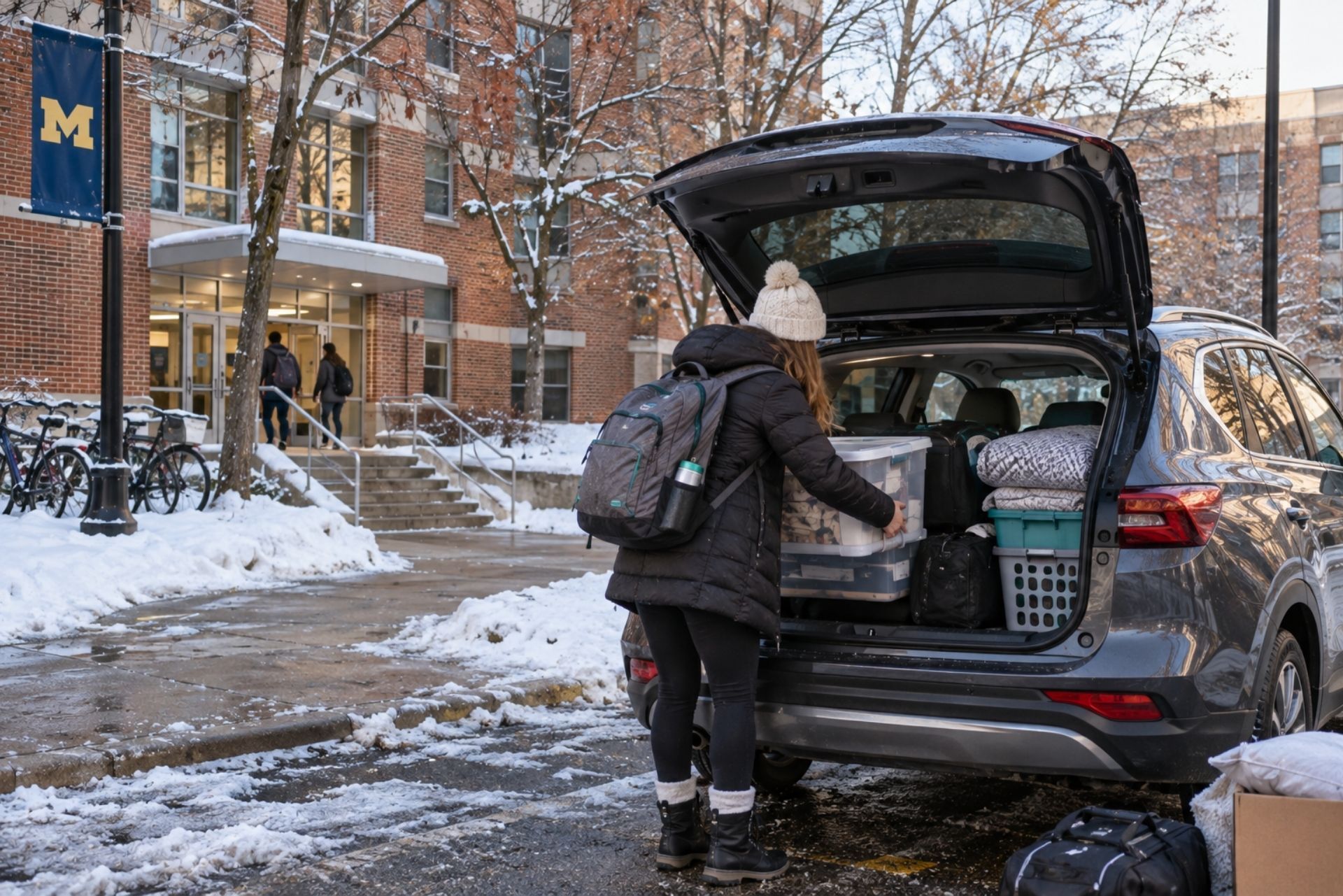
Heading off to a Michigan university with your car in tow creates a specific set of insurance questions that most families do not anticipate until the tuition checks are already written. Michigan operates under one of the most complex auto insurance frameworks in the country, and the rules shift depending on where you live, where the car is garaged, and how your household is defined. For college students living away from home in Michigan, the financial stakes are high: the
average annual cost for car insurance in the state sits at roughly $2,716 as of mid-2026, with drivers under 25 paying substantially more. Getting the right coverage, structured the right way, can save your family hundreds of dollars per semester while still protecting you on the road between campus and home. This guide breaks down the state-specific rules, coverage decisions, and discount strategies that matter most to students and their parents right now.
Understanding Michigan's Unique No-Fault Insurance Requirements
Michigan is one of a handful of states that mandates no-fault auto insurance, meaning your own policy pays for your medical expenses and certain economic losses regardless of who caused an accident. This system differs sharply from the liability-based models used in most other states, and it directly affects how much coverage you need and how much you will pay. For students arriving from out of state, the distinction is critical: your home-state policy may not satisfy Michigan's minimum requirements if you are residing here for the academic year.
Every Michigan auto policy must include bodily injury liability, property damage liability, property protection insurance, and residual liability coverage. The state also requires uninsured motorist coverage. Missing any of these components can leave you exposed to penalties and, worse, uncovered losses after a crash.
The Role of Personal Injury Protection (PIP)
Personal Injury Protection is the centerpiece of Michigan's no-fault system. PIP covers medical expenses, lost wages, and rehabilitation costs for you and your passengers after an accident, no matter who is at fault. Before the 2019 reform, Michigan was the only state requiring unlimited lifetime PIP benefits, which drove premiums to some of the highest in the nation.
Today, drivers can choose from multiple PIP tiers, ranging from unlimited coverage down to a $50,000 cap or even an opt-out if you have qualifying health insurance. For college students, the choice of PIP level is one of the most consequential premium decisions you will make. If you carry a robust student health plan through your university, you may be able to select a lower PIP tier and reduce your annual cost by several hundred dollars.
How Michigan's Reform Affects Student Premiums
The 2019 reform brought measurable relief to Michigan drivers, and students have benefited directly. Rate reductions mandated by the reform, combined with competitive pressure among insurers, have brought average premiums down from their pre-reform peaks. That said, young drivers still face surcharges based on age and limited driving history.
The Michigan Department of Insurance and Financial Services (DIFS) actively shares
financial and insurance guidance for students during back-to-school season, including tips on selecting the right PIP level and understanding your rights under the reformed system. Reviewing those resources before you sign a policy is a practical first step.
By: John G. Growney
President of Oakland Insurance
One of the most common decisions families face is whether a student should remain on a parent's existing policy or purchase an independent one. In most cases, staying on a parent's policy is the more affordable option because multi-car and multi-driver discounts keep per-person costs lower. Independent policies for drivers under 25 tend to carry steep premiums due to the age-based risk profile insurers assign.
That said, the answer depends on your specific circumstances: where your parents live, where you attend school, and who holds the vehicle title.
The 'Resident Relative' Rule for Students
Michigan insurers generally treat a full-time student living away at college as a "resident relative" of the parent's household, provided the student still considers the family home a primary residence. This classification allows the student to remain on the family policy even while physically living in a dorm or off-campus apartment for most of the year.
The key requirement is intent. If you plan to return home during breaks and have not established a separate, permanent household, most carriers will continue to classify you as a household member. If you sign a year-round lease, register to vote at your campus address, or otherwise signal permanent relocation, the insurer may require you to obtain your own policy.
Updating Your Garaging Address with the Insurer
Where your car spends most of its nights, known as the garaging address, directly affects your premium. Urban zip codes near Detroit or Flint carry higher rates than rural areas near smaller college towns like Mount Pleasant or Marquette. If your vehicle will be parked on or near campus for the majority of the year, you are typically required to update the garaging address with your insurer.
Failing to report the correct garaging location can result in a claim denial. People who keep cars out of state for a substantial portion of the year face similar scrutiny. Be upfront with your carrier about where the vehicle will be stored, even if the updated address raises your rate slightly. The alternative, a denied claim after an accident, is far more expensive.
Essential vs. Optional Coverage for Campus Life
Michigan's minimum required coverages establish a baseline, but campus life introduces risks that basic liability alone does not address. Parking lots, shared driveways, and overnight street parking all increase your vehicle's exposure to damage and theft.
Comparison: Basic vs. Comprehensive Student Coverage
The table below outlines the practical differences between a minimum-coverage policy and a more complete one suited to campus conditions.
| Coverage Type | Basic (State Minimum) | Comprehensive Student Package |
|---|---|---|
| Bodily Injury Liability | $50,000 / $100,000 | $100,000 / $300,000 |
| Property Damage | $10,000 | $50,000+ |
| PIP | $50,000 (with health plan opt-down) | Coordinated with student health plan |
| Collision | Not included | Included (covers your vehicle in a crash) |
| Comprehensive | Not included | Included (theft, vandalism, weather) |
| Uninsured Motorist | Required minimum | Higher limits recommended |
| Rental Reimbursement | Not included | Optional add-on |
For students driving older vehicles worth less than $4,000, dropping collision and comprehensive coverage may make financial sense. If your car is newer or financed, your lender will almost certainly require both.
Comprehensive Coverage for Vandalism and Theft
Campus parking lots and off-campus neighborhoods near universities see higher rates of vehicle break-ins and vandalism than many students expect. Comprehensive coverage pays for these losses, along with damage from falling objects, hail, flooding, and animal strikes. In Michigan, where winter storms and spring flooding are annual realities, this coverage carries real value.
A common client mistake is assuming that
renter's insurance covers items stolen from a vehicle. Renter's insurance may cover personal belongings inside the car, but it does not cover damage to the vehicle itself. Only your auto policy's comprehensive component handles that. If you park on the street or in an unmonitored lot, comprehensive coverage is worth serious consideration.
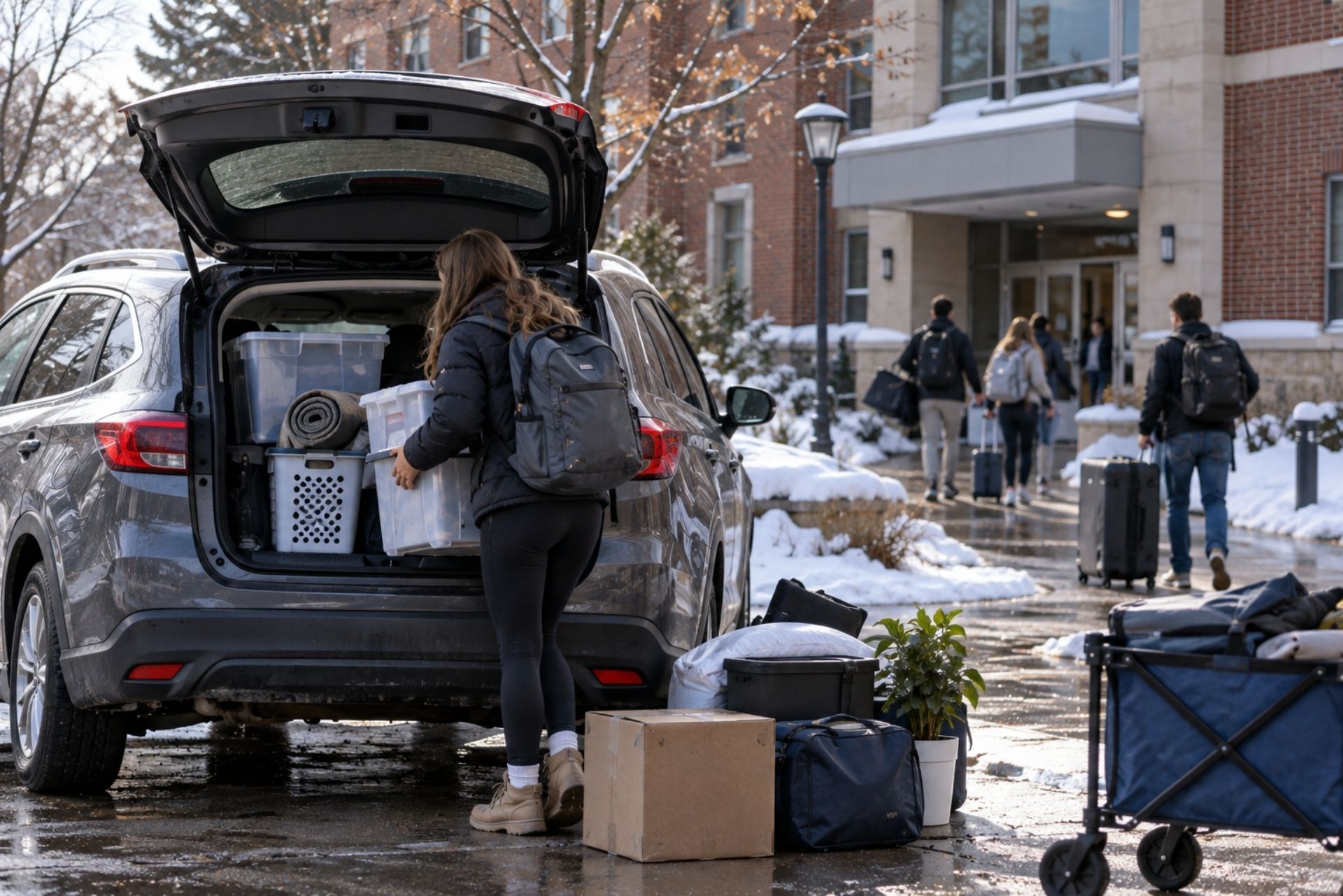
Premium costs hit students and their families hard, but several discounts and strategies exist specifically for college-age drivers. Taking advantage of even two or three of these can reduce your annual cost by 15 to 30 percent.
The Good Student Discount
Most major insurers offer a good student discount to full-time students who maintain a B average or higher, typically a 3.0 GPA on a 4.0 scale. The discount usually ranges from 5 to 15 percent off the total premium, and you will need to provide a transcript or dean's list letter to qualify each renewal period.
This discount is one of the easiest ways to offset the age-based surcharges that make insurance for college students in Michigan so expensive. DIFS has highlighted this discount as part of its
back-to-school financial tips for students, encouraging families to ask their insurer about eligibility.
The 'Student Away at School' Discount
If your car stays at your parents' home while you attend a college more than 100 miles away, many insurers offer a "student away at school" discount. The logic is straightforward: if you are not driving the car daily, the risk drops. This discount can shave 10 to 25 percent off your portion of the family premium.
You should confirm the specific mileage threshold with your carrier, as it varies. Some insurers set the cutoff at 75 miles, while others require 150. If you do bring the car to campus partway through the year, notify your insurer promptly to avoid coverage gaps. DIFS also reminds students to
review their insurance arrangements before the semester begins to ensure they are capturing every available discount.
Common Questions About Michigan Student Insurance
Do I need to change my car insurance if I am just in Michigan for college?
If you are an out-of-state student bringing a vehicle to Michigan for the school year, you may need Michigan-specific coverage. The state's no-fault requirements differ from most other states, and your home-state policy might not satisfy them. An out-of-state student guide to Michigan no-fault insurance can help you determine whether your current policy needs adjustment or replacement.
Can I stay on my parents' policy if the car is registered in another state?
Yes, in many cases. If your parents' policy covers you as a resident relative and your insurer acknowledges the Michigan garaging address, you can often remain on their plan. You should confirm that the policy meets Michigan's minimum coverage requirements, particularly PIP, since your home state likely does not mandate it.
What happens to my insurance if I leave my car at home?
Leaving your car at a parent's home while you attend school typically qualifies you for the student away at school discount. You should not cancel your coverage entirely, because a lapse in insurance history will raise your rates significantly when you resume driving. Keeping at least comprehensive coverage on a stored vehicle protects against theft, weather damage, and vandalism while the car sits idle.
Does my insurance cover my roommate driving my car?
Michigan's no-fault system generally extends coverage to permissive users, meaning someone you have given explicit permission to drive your vehicle. Your roommate would typically be covered under your policy for a single, occasional use. If your roommate drives your car regularly, your insurer may require you to add them as a listed driver, which could increase your premium.
Making the Right Choice for Your Semester
Getting auto insurance right as a Michigan college student is not a one-time decision: it is something you should revisit each semester as your living situation, vehicle, and driving habits change. The core principles remain consistent. Stay on a parent's policy if you qualify as a resident relative. Choose a PIP level that coordinates with your student health plan. Report your garaging address honestly. Ask about every discount you might be eligible for, from good student to student away at school.
Michigan's insurance system rewards informed consumers who understand the rules and communicate openly with their carriers. A 20-minute phone call with your insurer before the fall semester can prevent a denied claim or an unexpected premium spike months later. If your family is comparing quotes, request itemized breakdowns so you can see exactly where your money goes and where adjustments are possible.
Your next step is straightforward: pull out your current policy declarations page, compare it against Michigan's requirements, and call your agent with specific questions. The students who pay the least for solid coverage are the ones who treat insurance as a planning exercise, not an afterthought.
About The Author:
John G. Growney
As President of Oakland Insurance, I bring over 25 years of experience in every aspect of the insurance industry — from customer service to sales and agency management. As a Licensed Insurance Counselor (LIC) and Certified Insurance Counselor (CIC), I’m dedicated to helping clients make confident decisions about their coverage. I earned my B.A. in Business from Michigan State University and currently live in Clarkston, Michigan with my two children and our rescue dogs.
Contact Us Page
Your Business Insurance Solutions
Workers Comp Insurance

Workers' compensation insurance is a type of insurance that provides benefits to employees who are injured or become ill as a result of their job. These benefits may include medical expenses, lost wages, and disability payments.
COMMERCIAL AUTO INSURANCE

Commercial auto insurance is a type of insurance that covers vehicles used for business purposes. This includes cars, trucks, vans and other vehicles owned by a company and used by employees for work-related activities.
PROFESSIONAL LIABILITY
Professional liability insurance, also known as errors and omissions insurance, is a type of insurance that protects businesses and individuals from financial losses resulting from claims of professional negligence or failure to perform professional duties.
BUSINESS OWNERS POLICY (BOP INSURANCE)
Business Owners Policy (BOP) insurance is a package policy that combines general liability insurance and property insurance for small and medium-sized businesses. It is designed to provide coverage for common risks such as property damage, liability claims, and business interruption.
Our Process
Oakland Insurance has an efficient, customer-focused approach when working with business owners looking for business insurance in Michigan.
1. Consultation
This begins from the moment a business owner reaches out for business insurance. Our business mindset helps us approach every consultation process as an opportunity to learn about a business and its needs, so we can recommend the best business insurance coverage that fits their situation.
2. Insurance Options
We take pride in our attention to detail: from fine-tuning insurance plans to contacting multiple competing carriers, we ensure our clients receive effective business insurance solutions tailored to their unique goals and operations.
3. Claims
We know that the claims process can be complex and time-consuming. That’s why Oakland Insurance works with clients to file and track their claims quickly and efficiently, so they can get back to running their businesses with minimal disruption.
4. Customer Service
Oakland Insurance provides ongoing support and advice to clients who have questions about their business insurance policies or need additional coverage. Our experienced team is dedicated to helping our clients make informed decisions regarding their commercial insurance needs.
Contact us today to get started!
Industries Served In Michigan
Electrician
Insurance
Electricians typically need liability insurance to protect themselves from claims of property damage or bodily injury caused by their work.
Contractor Insurance
General contractors typically need workers' compensation insurance to cover medical expenses and lost wages for any on-the-job injuries.
Carpenters Insurance
Carpenters may need workers' compensation insurance to cover medical expenses and lost wages for any on-the-job injuries.
Auto Dealer
Insurance
Automobile dealer's may need physical damage insurance to cover damages to the vehicles on their lot and garage liability insurance to cover any injuries that occur on their premises.
Commercial Buildings Insurance
Commercial building owners typically need property insurance to protect their building and contents from damage or loss due to covered perils such as fire or theft.
Hotel & Motel Insurance
Hotels & Motels typically need may also need liability insurance to protect themselves from claims of bodily injury or property damage caused by their operations, and workers' compensation insurance to cover medical expenses and lost wages for any on-the-job injuries.
Cost of Business Insurance in Michigan
The cost of business insurance in Michigan can vary depending on a number of factors, including the type of business, its size, location, and the level of coverage needed. Some of the most common types of business insurance policies in Michigan include general liability insurance, property insurance, workers' compensation, and professional liability insurance.
General liability insurance is typically required for most businesses and can protect against claims of bodily injury or property damage caused by your business operations. The cost of this coverage can range from a few hundred dollars per year for a small business to several thousand dollars per year for a larger business.
Property insurance is another important type of coverage for businesses in Michigan and can protect against damage to buildings, equipment, and inventory. The cost of this coverage can vary depending on the value of the property and the level of protection needed.
Workers' compensation is mandatory for most businesses in Michigan and can protect against claims made by employees who are injured or become ill as a result of their work. The cost of this coverage is typically based on the number of employees and their salaries.
Professional liability insurance is often required for businesses that provide professional services, such as consulting or legal advice. This type of coverage can protect against claims of negligence or errors and omissions. The cost of this coverage can vary depending on the type of business and the level of protection needed.
Overall, the cost of business insurance in Michigan can vary widely depending on the specific needs of the business. It is important to work with a reputable insurance agent who can help you determine the right coverage for your business and provide you with competitive quotes.


Why Choose Us
Oakland Insurance offers comprehensive small business liability insurance in Michigan. Our experienced team will take the time to understand a client’s needs and provide tailored solutions that meet their unique requirements.
We offer competitive rates and have access to numerous carriers, so we can work with our customers to help them get the best coverage for their budget. Our commitment to providing exceptional customer service means we are always available for advice and support when needed.
Testimonials
What Our Commercial Insurance Clients Are Saying