
Email us today!

Michigan Auto Insurance When Adult Children Return Home: Everything You Need To Know
November 12, 2026
See How We're Different
or call us: (248)-647-2500
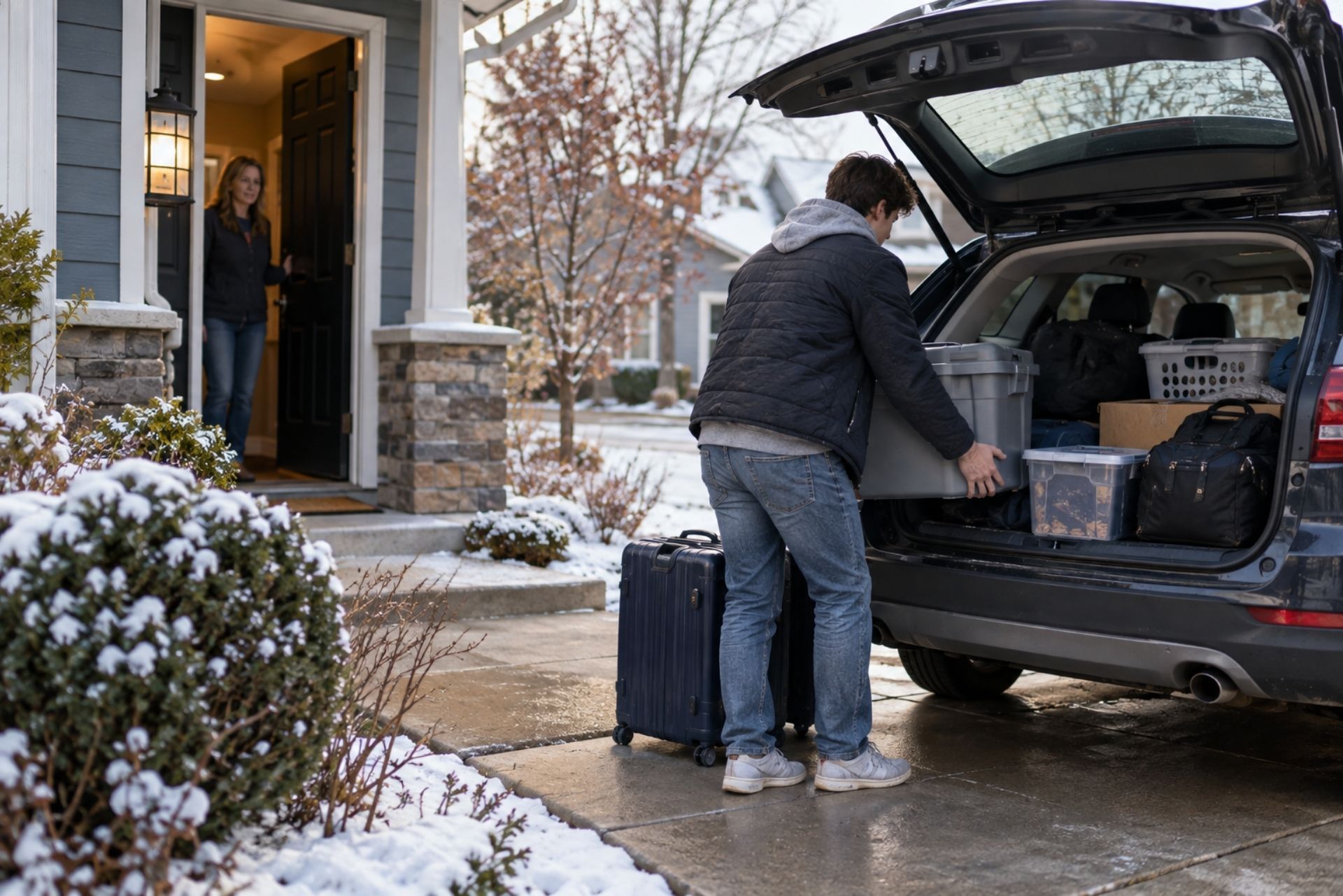
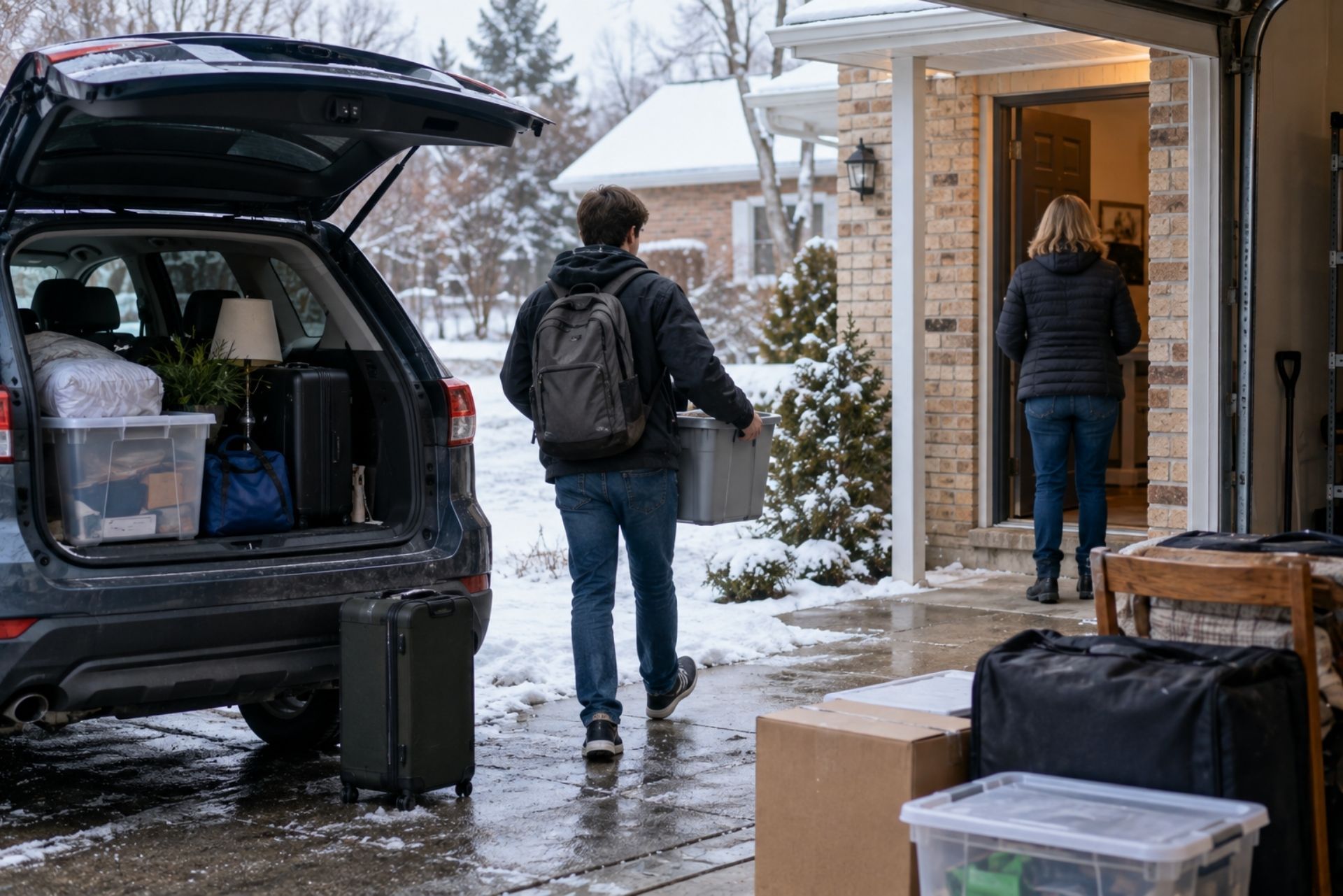
When your adult child moves back home, the reunion brings a mix of emotions and a long list of practical concerns. One of the most overlooked items on that list is auto insurance, and in Michigan, the stakes are particularly high. The state's unique no-fault system creates obligations that do not exist in most other states, meaning a simple change in household composition can ripple through your entire coverage structure.
Michigan families dealt with roughly $2,700 in average annual auto insurance premiums in 2025, among the highest in the nation. A returning adult child, whether they bring a vehicle or not, can affect your premium, your personal injury protection (PIP) benefits, and even your liability exposure. Getting the insurance details right from the start protects both your finances and your child's ability to recover benefits after an accident.
This guide walks through the specific rules, coverage decisions, and cost considerations that Michigan households face when an adult child returns home. Whether your son or daughter is moving back after college, returning from out of state, or simply regrouping between jobs, the insurance implications deserve your full attention before keys are exchanged and cars are shared.
Navigating Michigan's No-Fault Laws with Adult Children
Michigan's no-fault insurance system operates differently from the liability-based systems used in most states. Under no-fault rules, your own insurance policy pays for your medical expenses and certain economic losses after an accident, regardless of who caused the crash. This structure makes the definition of "household resident" critically important, because PIP benefits flow through the policy of the household where a person lives.
When an adult child returns to your home, they become a resident relative under Michigan insurance law. That classification triggers specific rights and responsibilities that neither you nor your child can afford to ignore.
Understanding Household Resident Status
A household resident is generally defined as someone who lives in your home with the intent to remain for more than a temporary visit. Courts in Michigan have examined factors such as where a person sleeps, receives mail, keeps belongings, and pays bills. An adult child who moves back with clothing, furniture, and no firm departure date will almost certainly qualify as a resident of your household.
This matters because all resident relatives typically need to be disclosed on your auto policy. Failing to list a household resident who has a driver's license can jeopardize your coverage. Insurers may deny a claim or cancel a policy if they discover an unlisted resident driver after an accident. The safest approach is to contact your insurer within a few days of your child's return.
The Role of PIP Medical Coverage for Family Members
PIP coverage in Michigan pays for medical expenses, attendant care, lost wages, and other benefits after a motor vehicle accident. Effective July 1, 2026, Michigan drivers who carry unlimited PIP coverage pay an $84 annual MCCA fee, while those with other coverage limits pay reduced assessments or none at all. Your child's PIP benefits will generally come through your household policy if they do not own a vehicle with their own coverage.
The PIP tier you selected, whether unlimited, $500,000, $250,000, or a coordinated option, now applies to your returning child as well. If you previously chose a lower PIP limit because your household was just you and a spouse, you may want to reconsider that election. A young adult without robust health insurance could face a significant coverage gap if injured in a crash and your PIP limit is insufficient. The Michigan Department of Insurance and Financial Services encourages all residents to review their policies regularly to ensure their coverage still fits their household needs.
Updating Your Policy: Listed Drivers vs. Excluded Drivers
Once your adult child is back under your roof, you face a straightforward but consequential decision: add them as a rated driver or formally exclude them from your policy. Each path carries distinct financial and legal consequences that you should weigh carefully.
When to Add Your Child as a Rated Driver
Adding your child as a rated driver means your insurer will factor their age, driving record, and experience into your premium calculation. This is the most common and generally safest option. A rated driver is fully covered under your policy whenever they operate any vehicle listed on it.
Young drivers between 18 and 25 typically increase premiums by 25 to 60 percent, depending on their record and the insurer's rating model. That cost stings, but it buys real protection. If your child borrows your car for a grocery run and causes a $200,000 accident, your liability and PIP coverage respond without dispute. The premium increase is predictable; an uncovered accident is not.
If your child has a clean driving record, ask your insurer about good student discounts, low-mileage credits, or safe driver programs that could soften the rate impact. Some carriers also offer telematics programs that reward careful driving habits with premium reductions over time.
The Risks of the Named Driver Exclusion
A named driver exclusion is a formal endorsement that removes a specific person from coverage under your policy. If your child is excluded and then drives one of your vehicles, the insurer has no obligation to pay any resulting claim. You would be personally responsible for all damages, medical bills, and legal costs.
Exclusions exist primarily for situations where a household member has a terrible driving record and adding them would make coverage unaffordable. Some families use exclusions as a cost-saving measure, but the risk is enormous. A single moment of forgetfulness, your child grabbing your keys to move the car in the driveway, could expose your family to six-figure liability. In Michigan, where no-fault PIP claims alone can reach hundreds of thousands of dollars, the financial consequences of an excluded driver incident can be devastating.
Insurance Options for Adult Children with Their Own Vehicles
If your returning child brings a vehicle with them, the conversation shifts from simply adding a driver to deciding how to structure coverage across multiple cars and policies.
Multi-Car Discounts and Bundling Benefits
Most Michigan insurers offer multi-car discounts ranging from 10 to 25 percent when you insure two or more vehicles on the same policy. Adding your child's car to your existing policy is often the most cost-effective approach, especially if you already bundle your auto and homeowners coverage with the same carrier.
The savings can be substantial. A household insuring three vehicles on one policy might save $400 to $800 annually compared to maintaining separate policies. You also benefit from a single deductible structure and unified billing, which simplifies management. Ask your agent to run quotes both ways so you can compare the actual dollar difference for your specific situation.
Separate Policies vs. Joint Household Policies
There are legitimate reasons for your child to carry a separate policy. If they have a poor driving history, keeping them on their own policy prevents their record from inflating your rates. A separate policy also gives them the opportunity to build their own insurance history, which matters for long-term premium calculations when they eventually move out.
That said, separate policies for people living in the same household can create complications in Michigan. Insurers may still require you to list your child as a household resident on your policy, even if they carry their own coverage. The coordination of PIP benefits between two policies in the same household requires careful attention. Work with your agent to ensure there are no gaps or overlaps that could cause problems during a claim.
Coverage Comparison: Household Resident vs. Guest Driver
The distinction between a resident driver and a permissive user, sometimes called a guest driver, has real consequences for how claims are handled in Michigan. Understanding these differences helps you see why proper classification matters so much.
Comparison Chart: Resident Driver vs. Permissive User
| Factor | Resident Driver (Listed) | Permissive User (Guest) |
|---|---|---|
| PIP Coverage Source | Household policy | Guest's own policy first |
| Liability Protection | Full coverage under household policy | Covered under vehicle owner's policy |
| Premium Impact | Included in rate calculation | No direct premium impact |
| Disclosure Required | Yes, must be listed on policy | No, occasional use is expected |
| Claim Denial Risk | Low, if properly listed | Low, if use is truly occasional |
| Long-Term Rate Effect | Accidents affect household policy | Accidents may affect both policies |
A friend who borrows your car once a month is a permissive user. Your adult child who lives in your home and drives your car several times a week is not. Misclassifying a resident driver as an occasional user is one of the most common mistakes Michigan families make, and insurers actively investigate this distinction after accidents.
Common Questions About Moving Back to Michigan
Does my child need their own insurance if they do not have a car?
If your child does not own a vehicle, they do not need a separate auto insurance policy. However, they must be listed as a driver on your household policy. Your PIP coverage will extend to them as a resident relative, and your liability coverage will protect them when they drive your vehicles.
Can I keep my child on my policy if they live in a different house?
Generally, no. Michigan insurers require that listed drivers reside in your household. Once your child moves to their own residence, they need their own policy. Some carriers allow a brief transition period, particularly for college students who maintain your home as their primary address, but a child living independently full-time should carry separate coverage.
Will my rates go up if my child moves back home?
Almost certainly, yes. The amount depends on your child's age, driving history, and the vehicles they will be driving. A 24-year-old with a clean record will cost less to add than a 19-year-old with a speeding ticket. Expect an increase of 20 to 60 percent on the driver-related portion of your premium. Shopping quotes from multiple carriers can help you find the most competitive rate for your new household composition.
What happens if my child drives my car and gets in an accident?
If your child is properly listed on your policy, your coverage responds just as it would for any other listed driver. Your PIP pays their medical expenses up to your elected limit, and your liability coverage handles damages to others. If your child is not listed and should have been, the insurer may deny the claim entirely, leaving you personally liable for all costs.
Making the Right Choice for Your Family
Sorting out auto insurance when adult children return home in Michigan requires more than a quick phone call to your agent, though that call should be your first step. The state's no-fault system ties medical benefits, liability protection, and premium calculations directly to household composition, which means every change in who lives under your roof changes your coverage picture.
Start by disclosing your child's return to your insurer immediately. From there, evaluate whether adding them as a rated driver on your policy or setting up a separate policy makes more financial sense. Review your PIP election to confirm it still provides adequate medical protection for a larger household. Compare multi-car discounts if your child brings a vehicle, and resist the temptation to use a named driver exclusion purely for cost savings.
The right insurance structure protects your family from financial catastrophe while keeping premiums as manageable as possible. Take the time to get quotes from at least three carriers, ask about every available discount, and make sure your agent understands your full household situation. A few hours of research now can prevent years of financial hardship after an unexpected accident.
BLOG AND NEWS
Better Insurance Decisions

Oakland Insurance explains coverage for stored vehicles in Michigan, including comprehensive-only insurance, registration rules, savings, and key risks.
Oakland Insurance explains Michigan auto insurance after moving, including address updates, PIP options, rate changes, coverage limits, and discounts.

Oakland Insurance explains Michigan car insurance for employer vehicles, including PIP, regular-use exclusions, non-owner coverage, and DOC endorsements.

Oakland Insurance explains auto insurance for teens at Michigan boarding schools, including no-fault rules, PIP, residency, discounts, and coverage.
Oakland Insurance explains Michigan car insurance for shared vehicles between households, including PIP, permissive use, garaging, and driver coverage.

Oakland Insurance explains Michigan auto insurance after adding a household driver, including PIP, teen rates, discounts, exclusions, and policy updates.

Oakland Insurance explains Michigan auto insurance for college students living away, including PIP, garaging, parent policies, coverage, and discounts.

Michigan home insurance ordinance and code coverage helps protect older homes from costly code upgrades, demolition, wiring, plumbing, and compliance expenses.

Learn how Michigan home insurance covers pole barns and outbuildings, including snow, wind, hail, farm use, Coverage B limits, and key exclusions.
Learn how Michigan home insurance covers backup generators, including storm damage, power surges, mechanical breakdowns, and equipment coverage options.