
Email us today!

Michigan Home Insurance for Backup Generators
October 9, 2026
See How We're Different
or call us: (248)-647-2500
Michigan homeowners know the weight of a winter ice storm or a summer thunderstorm rolling off Lake Huron. A single prolonged outage can mean frozen pipes in January, a basement full of spoiled food in August, or thousands of dollars in damage from a power surge when electricity snaps back on. A backup generator, whether a portable unit stored in the garage or a permanently installed standby system wired into your electrical panel, can prevent most of that damage. But the insurance side of owning a generator is rarely straightforward. Your home insurance coverage for backup generators in Michigan involves questions about how the unit is classified, what perils are covered, whether your policy accounts for surge damage and spoiled food, and where the exclusions hide. This guide walks through every piece of that puzzle so you can protect both your home and your investment.
Protecting Your Power: Michigan Home Insurance Basics for Generators
A generator is a significant purchase, and the way your insurer treats it depends on the type of unit you own and where it sits on your property. Understanding the distinction between portable and standby generators, and how each one fits into your homeowners policy, is the first step toward making sure you are not underinsured.
Portable vs. Whole-Home Standby Units
Portable generators are movable, fuel-powered machines that you connect to specific circuits or appliances using extension cords or a manual transfer switch. Because they are not permanently attached to your home, most Michigan insurers classify them as personal property, the same category that covers your furniture, electronics, and tools.
Whole-home standby generators are a different story. These units are permanently mounted on a concrete pad outside your home and hardwired into the electrical system through an automatic transfer switch. They run on natural gas or propane and start themselves within seconds of detecting an outage. Because they are fixed to the property, many insurers classify them as part of the dwelling or as an "other structure" on the premises, depending on the policy language.
Personal Property vs. Other Structures Coverage
Under a standard HO-3 policy in Michigan, personal property coverage (Coverage C) is a percentage of your dwelling limit. A portable generator worth a few hundred to a couple thousand dollars fits comfortably within that limit. A whole-home standby unit, however, can cost between $5,000 and $15,000 installed, and its classification matters.
If your insurer treats the standby unit as part of the dwelling (Coverage A), the replacement cost is folded into your overall dwelling limit. If it is classified under "other structures" (Coverage B), it shares a sub-limit with detached garages, fences, and sheds. You should confirm with your agent which category applies, because an expensive standby generator competing with a detached garage for a $30,000 other-structures limit could leave you short after a covered loss.
Common Risks for Michigan Homeowners
Michigan's geography creates a specific set of hazards that make generators both valuable and vulnerable. The state averages significant severe weather events each year, and the resulting power outages can last anywhere from a few hours to several days.
Storm Damage and Power Outages
Wind, ice, and lightning are the primary culprits behind extended outages across Michigan. A direct lightning strike can destroy a generator outright, and falling trees driven by straight-line winds can crush a unit mounted beside your home. Your standard homeowners policy covers these perils under the "open perils" section of an HO-3, meaning damage to your generator from wind, lightning, hail, or falling objects is typically covered after you meet your deductible.
The more common scenario, though, is indirect damage. When power returns after an outage, the electrical surge can fry appliances, HVAC systems, and electronics throughout your home. Most Michigan HO-3 policies do cover sudden, accidental power surge damage as long as it originates from an off-premises event like a utility grid restoration. On-premises surges caused by your own wiring or generator malfunction are a grayer area and may require a separate endorsement.
Mechanical Breakdown and Equipment Failure
Here is where many homeowners get caught off guard. Standard policies exclude mechanical breakdown and wear-and-tear damage. If your standby generator fails because of a faulty circuit board, a seized engine, or corroded fuel lines, your base policy will not pay for the repair. This gap is significant for standby units that sit idle for months and then need to perform flawlessly during a January polar vortex. An equipment breakdown endorsement, sometimes called a mechanical breakdown rider, fills this gap for a modest annual premium.
Comparing Coverage Options for Backup Systems
Choosing the right coverage depends on how much risk you are willing to absorb and how much your generator is worth. The table below compares a standard HO-3 policy with an equipment breakdown endorsement added on top.
Table: Standard Policy vs. Equipment Breakdown Endorsement
| Coverage Area | Standard HO-3 Policy | With Equipment Breakdown Endorsement |
|---|---|---|
| Storm damage (wind, lightning, hail) | Covered | Covered |
| Power surge from utility restoration | Usually covered | Covered |
| Mechanical failure or breakdown | Not covered | Covered |
| Spoiled food from outage | Limited (typically $250 to $500) [https://www.insurancegeek.com/renters-insurance/does-renters-insurance-cover-power-outages/] | Same sub-limit applies |
| Frozen pipe damage | Covered if heat was maintained or water shut off | Same; generator use strengthens your claim |
| Flood damage to generator | Not covered (requires flood policy) | Not covered |
| Manufacturer defect | Not covered (warranty issue) | May be covered after warranty expires |
| Typical annual cost | Included in base premium | Adds roughly $25 to $75 per year [https://theseptic.guide/articles/does-insurance-cover-septic-repair-replacement] |
One detail worth highlighting: spoiled food coverage under most Michigan policies carries a sub-limit, often ranging from $250 to $500 [https://www.insurancegeek.com/renters-insurance/does-renters-insurance-cover-power-outages/]. If a multi-day outage destroys a chest freezer full of meat and a refrigerator full of groceries, that sub-limit may not cover your actual loss. Some insurers offer higher food spoilage limits through endorsements, so ask your agent specifically about this if you store large quantities of food.
How a Generator Impacts Your Insurance Premiums
Installing a backup generator does not just protect your home during an outage. It can also change the way your insurer calculates your risk, sometimes in your favor.
The Risk Mitigation Discount
Many Michigan insurers recognize that a whole-home standby generator reduces the likelihood of expensive claims related to frozen pipes, sump pump failure, and water damage. A generator that keeps your furnace and sump pump running during a winter storm can prevent the kind of $20,000 to $50,000 frozen pipe claim that insurers dread. Some carriers offer a modest discount for homes with permanently installed standby generators and automatic transfer switches.
The Consumers Energy "Peak Power Savers Generator Program" adds another financial incentive. Homeowners who enroll can receive a one-time incentive of $25 to $27 per kilowatt for allowing the utility to manage their standby generator during peak demand events. That payment does not come from your insurer, but it offsets the cost of ownership and makes the generator more financially justifiable.
Updating Your Dwelling Limit
A permanently installed standby generator increases the replacement cost of your home. If you install a $12,000 unit and do not update your dwelling limit, you could find yourself underinsured across the board. Contact your agent after installation to adjust Coverage A. This will increase your premium slightly, but the alternative, being tens of thousands of dollars short after a total loss, is far worse.
One recent regulatory change affects how your insurer communicates these adjustments. Effective January 1, 2026, Michigan Senate Bill 545 requires insurers to provide written notice for material changes including premium increases over 10 percent, coverage reductions, or nonrenewals. This means you should receive clear documentation if adding a generator triggers a significant premium change.
Common Questions About Generator Insurance
FAQ: Installation Requirements and Claims
Does my policy cover a generator I installed myself? Most insurers require that standby generators be installed by a licensed electrician and comply with local building codes. A DIY installation that violates code could give your insurer grounds to deny a claim. Always pull the required permits and hire a licensed professional.
Will my insurer pay for spoiled food if my generator runs out of fuel? This depends on the policy language. If the outage was caused by a covered peril like a windstorm, the food spoilage sub-limit should apply regardless of whether your generator ran out of fuel. However, if you failed to maintain fuel and the insurer determines negligence, the claim could be disputed.
Are there state rebates for installing a generator in Michigan? The Michigan Home Energy Rebates (MiHER) program provides up to $14,000 for home electrification, but these funds exclude fossil-fuel-burning standby generators and focus instead on reducing grid demand. Battery backup systems paired with solar panels may qualify, but a traditional gas or propane standby unit does not.
Can I claim frozen pipe damage if I did not have a generator? Yes, but your insurer will check whether you took reasonable steps to maintain heat or shut off the water supply before leaving the home. Having a working generator strengthens a frozen pipe claim because it shows you took precautions. Without one, you may need to demonstrate that the outage was sudden and that you could not have reasonably prevented the damage.
Does flood damage to my generator get covered? No. Flood damage is excluded from standard homeowners policies in Michigan. If your generator sits in a flood-prone area, you would need a separate National Flood Insurance Program policy or a private flood policy to cover it.
Should I get an equipment breakdown endorsement for a portable generator? For a portable unit worth $500 to $1,500, the endorsement may not be cost-effective. The annual premium for the endorsement could approach the replacement cost of the unit over a few years. Reserve this endorsement for whole-home standby systems where repair or replacement costs are substantial.
Making the Right Choice for Your Home
Your generator is only as useful as the insurance backing it up. A standby unit that keeps your pipes from freezing and your sump pump running can save you from catastrophic water damage claims, but only if your policy properly accounts for the unit and the risks it mitigates.
Start by confirming how your insurer classifies your generator: personal property, dwelling, or other structure. Then review your sub-limits for food spoilage and check whether your policy includes surge protection for on-premises events. If you own a whole-home standby system, an equipment breakdown endorsement is a smart addition for a relatively small annual cost. Update your dwelling limit after installation so your coverage reflects the true replacement value of your property.
Michigan homeowners face real and recurring threats from severe weather, and a backup generator paired with the right insurance coverage turns a potential disaster into a manageable inconvenience. Talk to your agent, review your declarations page, and make sure every dollar you spent on your generator is protected by the policy sitting in your filing cabinet.
BLOG AND NEWS
Better Insurance Decisions
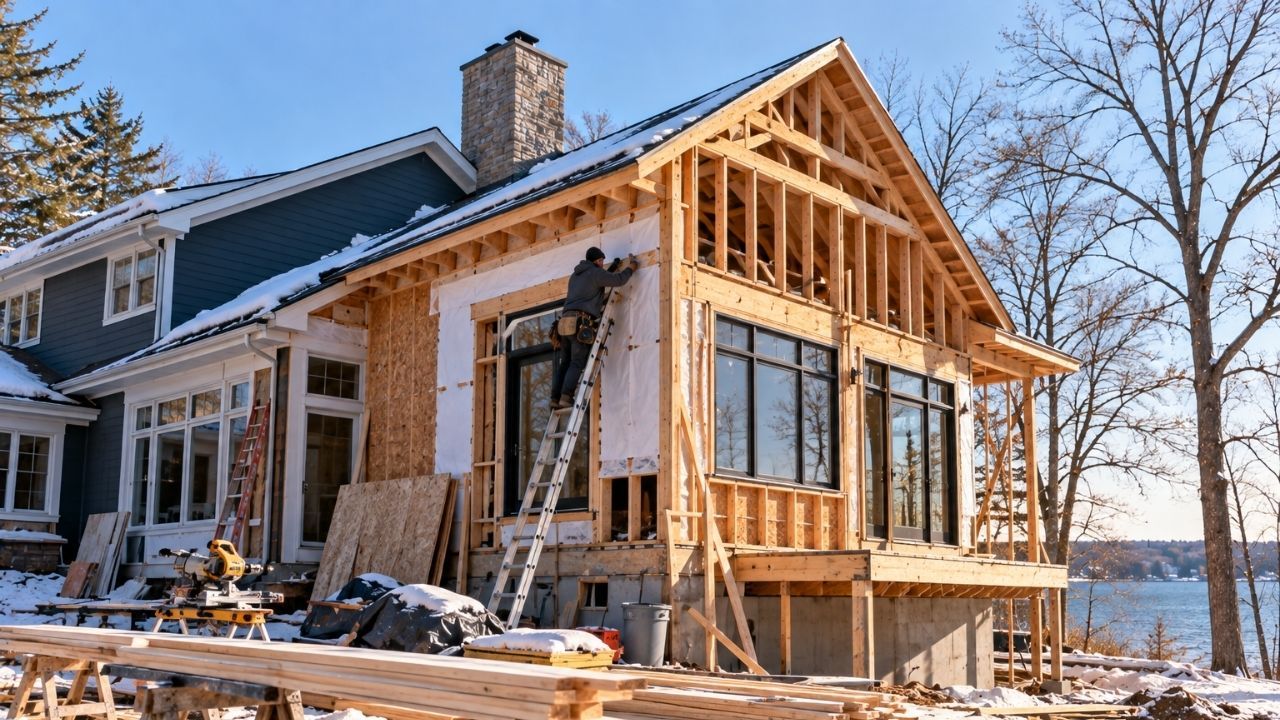
Michigan home insurance ordinance and code coverage helps protect older homes from costly code upgrades, demolition, wiring, plumbing, and compliance expenses.
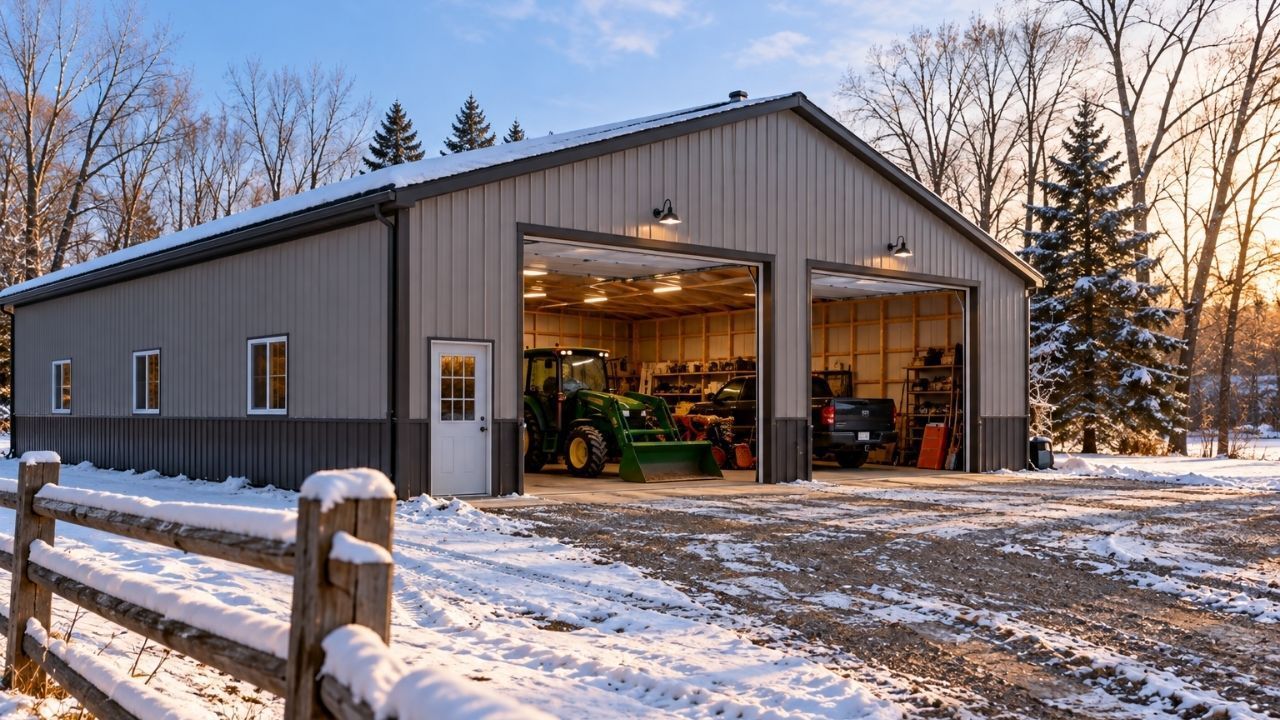
Learn how Michigan home insurance covers pole barns and outbuildings, including snow, wind, hail, farm use, Coverage B limits, and key exclusions.
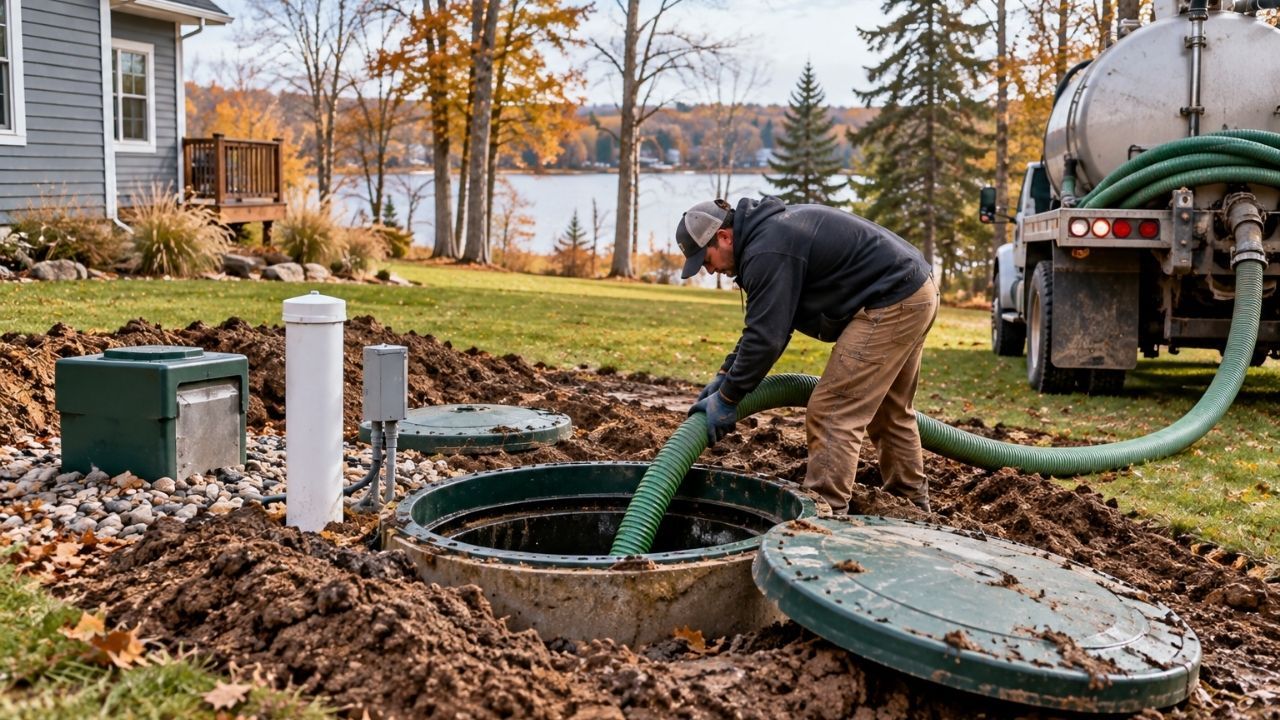
Learn how Michigan home insurance covers private wells and septic systems, including pump failures, sewage backups, service lines, and key endorsements.
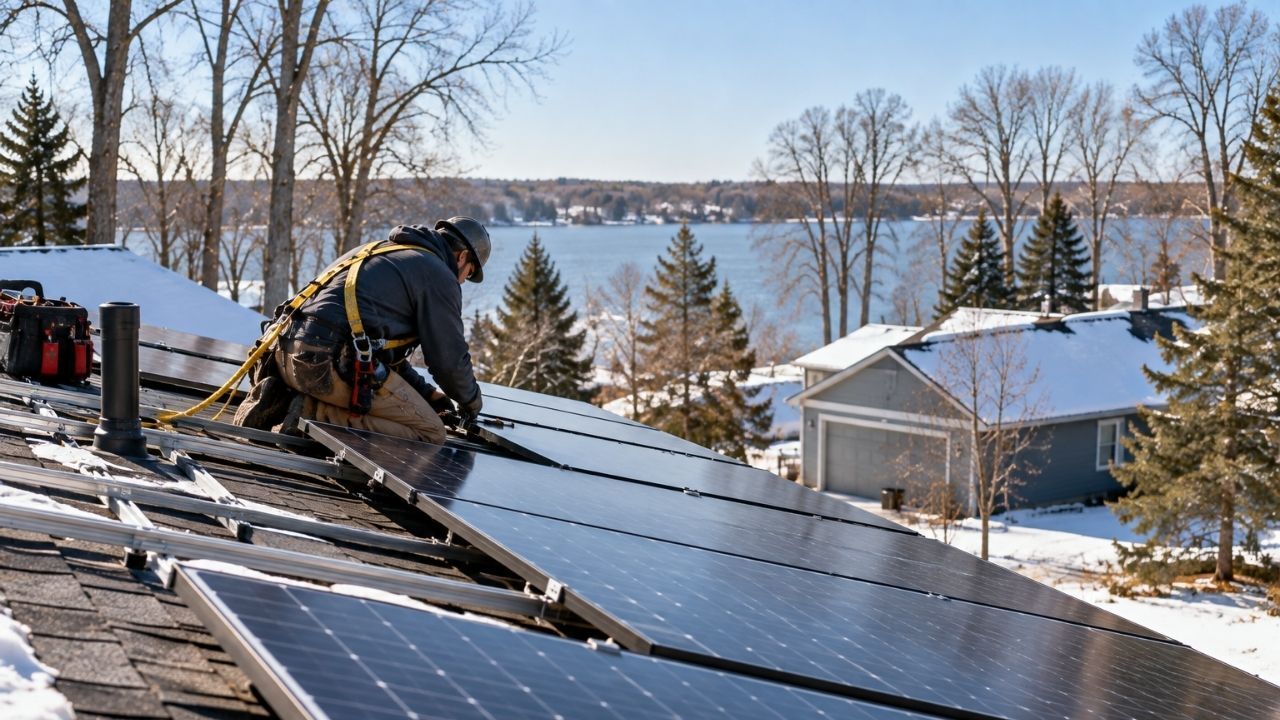
Protect your Michigan solar investment with the right home insurance coverage. Learn about panel damage, storm risks, deductibles, and coverage limits.
Protect your finished Michigan basement with the right home insurance coverage. Learn about water backup, sump pumps, flooding, egress, and coverage gaps.
Protect your Michigan detached garage or workshop with the right insurance. Learn about Coverage B, snow risks, tools, equipment, and business use.
Update your Michigan home insurance after renovations. Learn how to adjust coverage, replacement costs, and protect your investment from costly gaps.
Protect your Michigan rental with the right landlord insurance. Learn coverage options, DP-1 vs. DP-3, liability, loss of rent, and key risks.

Wilde Wealth Insurance Services provides Michigan boat insurance coverage options to protect your vessel, liability, and finances on inland and Great Lakes waters.

Discover how much you can save bundling home and auto insurance in Michigan. Learn average discounts up to 25% and money-saving tips.