
Email us today!

Michigan Home Insurance for Pole Barns and Outbuildings
October 9, 2026
See How We're Different
or call us: (248)-647-2500
Owning rural or semi-rural property in Michigan often means maintaining one or more outbuildings, whether that is a pole barn for equipment storage, a detached workshop, or a hobby greenhouse. These structures represent real financial investment: a contractor-built pole barn shell alone can cost between $18 and $38 per square foot, putting a standard 30x40 building somewhere between $22,000 and $46,000 before you add concrete, electrical, or insulation. Yet many Michigan homeowners discover too late that their standard policy does not cover these buildings the way they assumed. Understanding how home insurance applies to pole barns and outbuildings in Michigan, from other structures limits and snow collapse to wind damage, farm use, and common exclusions, is essential before the next lake-effect storm rolls through. This guide breaks down the specific coverage mechanics, weather risks, premium factors, and policy gaps that Michigan property owners need to address.
Understanding Pole Barn Coverage in Michigan
Most homeowners policies in Michigan include a provision called "Coverage B: Other Structures," which extends a percentage of your dwelling coverage to detached buildings on the same property. Your pole barn, detached garage, storage shed, or workshop typically falls under this provision rather than under your primary dwelling coverage. The critical detail is that Coverage B has a defined cap, and that cap is often lower than the replacement cost of a well-built pole barn.
Standard Homeowners Policy Limits for Other Structures
The default other structures limit on a typical HO-3 policy is 10 percent of your dwelling coverage amount, according to the Michigan Department of Insurance and Financial Services (DIFS) [https://www.michigan.gov/difs/legal/bulletins/2026-bulletins]. If your home is insured for $300,000, your pole barn and every other detached structure on the property share a combined $30,000 limit. That figure may be adequate for a small garden shed, but it falls far short of replacing a 1,200-square-foot pole barn with electrical service and a concrete slab. You can request a higher other structures percentage from your carrier, though doing so raises your premium. Some Michigan insurers will write a scheduled endorsement for a specific outbuilding, which assigns it a dedicated coverage amount separate from the blanket 10 percent.
The Difference Between Personal and Business Use
How you use your outbuilding directly affects whether your homeowners policy covers it at all. A pole barn storing personal vehicles, lawn equipment, or seasonal recreational gear generally qualifies under Coverage B. The moment you begin using that same structure for income-generating activity, such as a woodworking business, equipment rental, or livestock operation, most standard policies exclude coverage entirely. Metal-frame structures used for agricultural or commercial purposes often require specialized farm and ranch policies rather than a standard homeowners endorsement. If you run even a small side business out of your outbuilding, disclose that use to your agent before a claim forces the conversation.
Comparing Coverage Options for Outbuildings
Not all policies treat outbuildings the same way, and the differences matter when you file a claim. Here is a comparison of the most common approaches Michigan homeowners encounter:
| Coverage Approach | How It Works | Best For |
|---|---|---|
| Standard Coverage B (10%) | Blanket limit shared by all detached structures; percentage of dwelling amount [https://www.michigan.gov/difs/legal/bulletins/2026-bulletins] | Small sheds, simple detached garages |
| Increased Coverage B | Higher blanket percentage via endorsement; still shared among all structures | Multiple modest outbuildings |
| Scheduled Outbuilding Endorsement | Specific coverage amount assigned to a named structure | High-value pole barns, workshops |
| Farm/Ranch Policy | Separate policy designed for agricultural and mixed-use properties | Income-producing barns, livestock shelters |
| Inland Marine/Builder's Risk | Covers structure during construction or for specialized contents | Pole barns under construction |
Choosing the right approach depends on the replacement value of your outbuilding, how you use it, and whether you have multiple structures competing for the same Coverage B dollars.
How Michigan Bulletin 2024-26-INS Affects Your Claims
One regulatory development worth your attention is Michigan Bulletin 2024-26-INS, which prohibits insurance carriers from depreciating labor costs when calculating the actual cash value of a claim. Before this bulletin, some insurers reduced claim payouts by applying depreciation not just to materials but also to the labor portion of repairs. For pole barn owners filing a wind or snow damage claim, this means the labor component of your repair estimate should be paid at current market rates. If your adjuster applies labor depreciation to an outbuilding claim, reference this bulletin and escalate the dispute through your agent or the Michigan Department of Insurance and Financial Services.
Michigan Weather and Outbuilding Risks
Michigan's climate is particularly hard on detached structures. Pole barns and outbuildings face a combination of heavy snowfall, ice accumulation, high winds, and temperature swings that test every joint, truss, and fastener throughout the year.
Protecting Against Heavy Snow Loads and Ice
The northern Lower Peninsula and Upper Peninsula routinely see seasonal snowfall totals exceeding 150 inches, and even southern Michigan communities experience significant accumulation from lake-effect systems. Pole barns with wide, open spans and metal roofing are vulnerable to snow load collapse, especially when wet snow or ice builds up faster than it can slide off. Many standard policies cover sudden snow collapse as a named peril, but gradual structural failure caused by deferred maintenance or inadequate truss engineering may be excluded. You should verify that your policy covers snow load collapse explicitly, and keep records of any roof clearing or maintenance you perform during heavy winters.
Windstorm and Hail Damage Considerations
Straight-line winds and severe thunderstorms cause significant outbuilding damage across Michigan every spring and summer. Pole barns with large door openings are particularly susceptible to wind pressure differentials that can peel roofing panels or even lift entire roof sections. Hail damage to metal siding and roofing is another frequent claim type. Michigan Senate Bill 1130, introduced in July 2026, proposes requiring insurers to offer a fortified roof endorsement that would allow homeowners to upgrade to higher wind-resistance standards during a claim. If this bill passes, it could change how pole barn roof repairs are handled after windstorm losses. In the meantime, confirm whether your policy carries a separate wind/hail deductible, as some Michigan carriers have moved to percentage-based deductibles for wind events.
Factors That Impact Your Premium
Your outbuilding premium is not calculated in isolation. Insurers evaluate several characteristics of the structure itself, and each one can push your rate higher or qualify you for credits.
Construction Materials and Foundation Types
Pole barns built on post-frame construction with metal siding and roofing are generally rated differently than wood-framed outbuildings with traditional foundations. A structure on a concrete slab with anchored posts will typically receive more favorable underwriting than one sitting on compacted gravel with surface-set posts. The reason is straightforward: anchored foundations resist wind uplift and shifting better than unanchored alternatives. If your pole barn uses engineered trusses rated for Michigan snow loads, provide that documentation to your insurer, as it may reduce your premium or at least prevent a surcharge.
Electrical Systems and Fire Protection
An outbuilding with a permitted electrical system, proper grounding, and code-compliant wiring is a lower fire risk than one with extension cords running from the house. Insurers ask about electrical service because barn fires caused by faulty wiring are among the most common outbuilding losses. If your pole barn has a sub-panel with breakers, GFCI outlets in appropriate locations, and no knob-and-tube or aluminum wiring, you are in a stronger position during underwriting. Proximity to a fire hydrant or your local fire department response time also factors into the equation, especially in rural townships where volunteer departments may have longer response windows.
Common Questions About Insuring Michigan Outbuildings
Does my homeowners policy automatically cover a new pole barn I build? Your existing Coverage B extends to new detached structures on your property, but the default 10 percent limit may not be sufficient. Contact your agent before construction begins to schedule the structure or increase your other structures limit.
Will my claim be denied if my pole barn roof collapses from snow? Sudden collapse from snow weight is typically a covered peril under most HO-3 policies. Denial is more likely if the insurer determines the collapse resulted from long-term neglect, inadequate engineering, or deferred maintenance rather than an acute weather event.
Do I need a separate policy for a barndominium or living space in my pole barn? Yes, in most cases. A pole barn converted to living space usually does not fit neatly under Coverage B. Your insurer may require a dwelling fire policy or a specialized policy depending on whether the structure is your primary or secondary residence.
Can I insure tools and equipment stored in my outbuilding? Personal property inside an outbuilding is generally covered under Coverage C (personal property) of your homeowners policy, subject to the same limits and deductibles. Business equipment or tools used for income typically require a separate inland marine or commercial property policy.
What if I use my pole barn for a hobby farm with a few animals? A small number of animals kept for personal enjoyment may not trigger a policy exclusion, but this varies by carrier. Any sale of eggs, meat, or produce, even at a roadside stand, can reclassify your use as agricultural and void your homeowners coverage for that structure.
Why Michigan Outbuilding Insurance Costs Are Rising
Rising reinsurance costs are a major factor behind premium increases for Michigan properties with outbuildings. Insurance companies purchase their own coverage, called reinsurance, to protect against catastrophic losses, and as severe weather events have increased across the state, those costs are being passed down to policyholders, especially those with structures more susceptible to wind and snow load. Pole barns, with their large surface areas and open-span construction, represent concentrated risk that reinsurers price accordingly. You may see this reflected as higher base premiums, increased deductibles for wind and hail, or reduced availability of coverage in high-risk counties.
Key Exclusions You Should Know About
Several common exclusions catch Michigan pole barn owners off guard during the claims process. Flood damage is excluded from standard homeowners policies entirely, and a pole barn in a low-lying area near a river or drain can suffer significant water damage without any coverage unless you carry a separate flood policy. Earth movement, including settling or sinkholes that affect your foundation, is another standard exclusion. Damage caused by rodents, birds, or insects, all common in agricultural outbuildings, is excluded as well. Perhaps most critically, any structure used for business purposes without proper disclosure and endorsement will likely see a claim denied. Review your policy declarations page annually and confirm that every exclusion you see is one you can accept.
Steps to Strengthen Your Outbuilding Coverage
Taking a few proactive steps can close the most common coverage gaps Michigan outbuilding owners face:
- Request a replacement cost estimate for each detached structure and compare it to your current Coverage B limit.
- Ask your agent about scheduling high-value outbuildings individually rather than relying on the blanket percentage.
- Document construction details, including truss engineering specs, foundation type, and electrical permits, and provide copies to your insurer.
- Photograph your outbuildings and their contents annually, storing images off-site or in the cloud.
- If you use any outbuilding for income, even occasionally, discuss a farm policy or commercial endorsement with your agent before a loss occurs.
Making the Right Choice for Your Property
Michigan pole barns and outbuildings deserve the same careful insurance planning you give your primary dwelling. The combination of harsh winters, severe spring storms, and rising reinsurance costs means that underinsured outbuildings represent one of the most common coverage gaps on rural and suburban Michigan properties. Start by reviewing your current other structures limit against the actual replacement cost of every detached building on your land. If the numbers do not align, talk to your agent about endorsements, scheduled coverage, or a standalone farm policy that matches how you actually use each structure. The cost of upgrading your coverage is almost always a fraction of what you would pay out of pocket after an uninsured snow collapse or windstorm loss. Take the time now to close those gaps, because Michigan weather does not wait for you to update your policy.
BLOG AND NEWS
Better Insurance Decisions
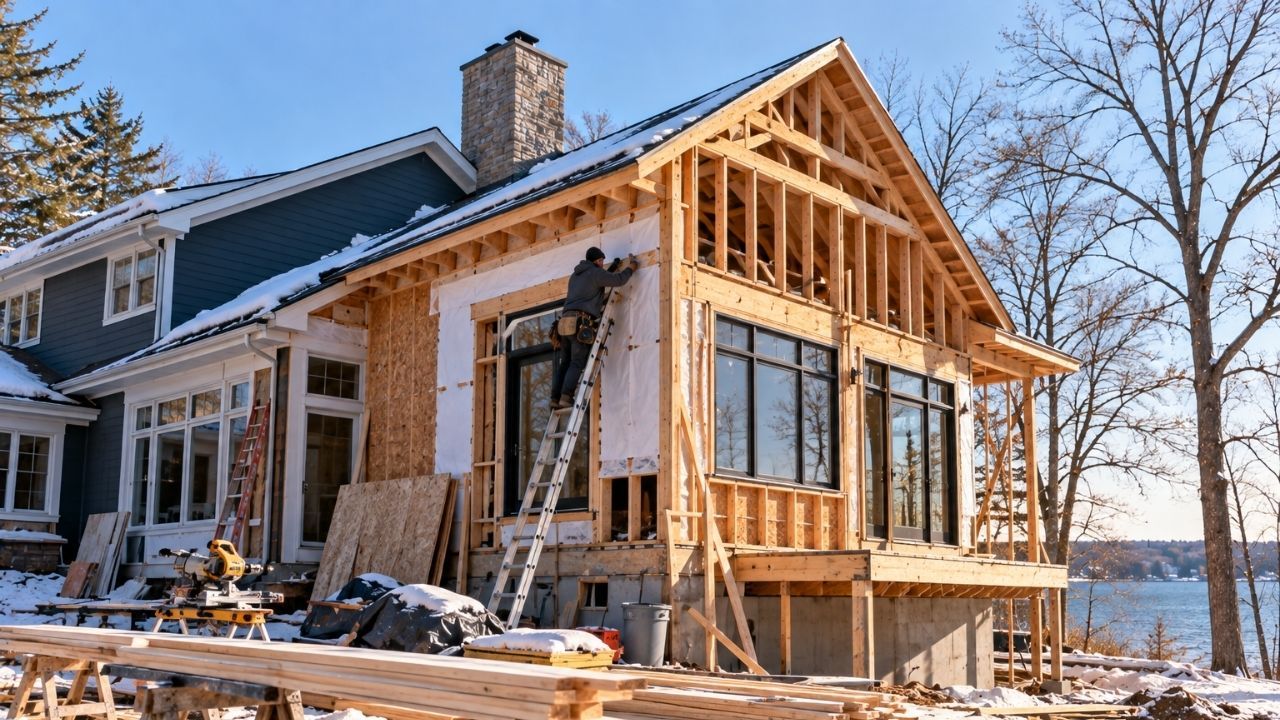
Michigan home insurance ordinance and code coverage helps protect older homes from costly code upgrades, demolition, wiring, plumbing, and compliance expenses.
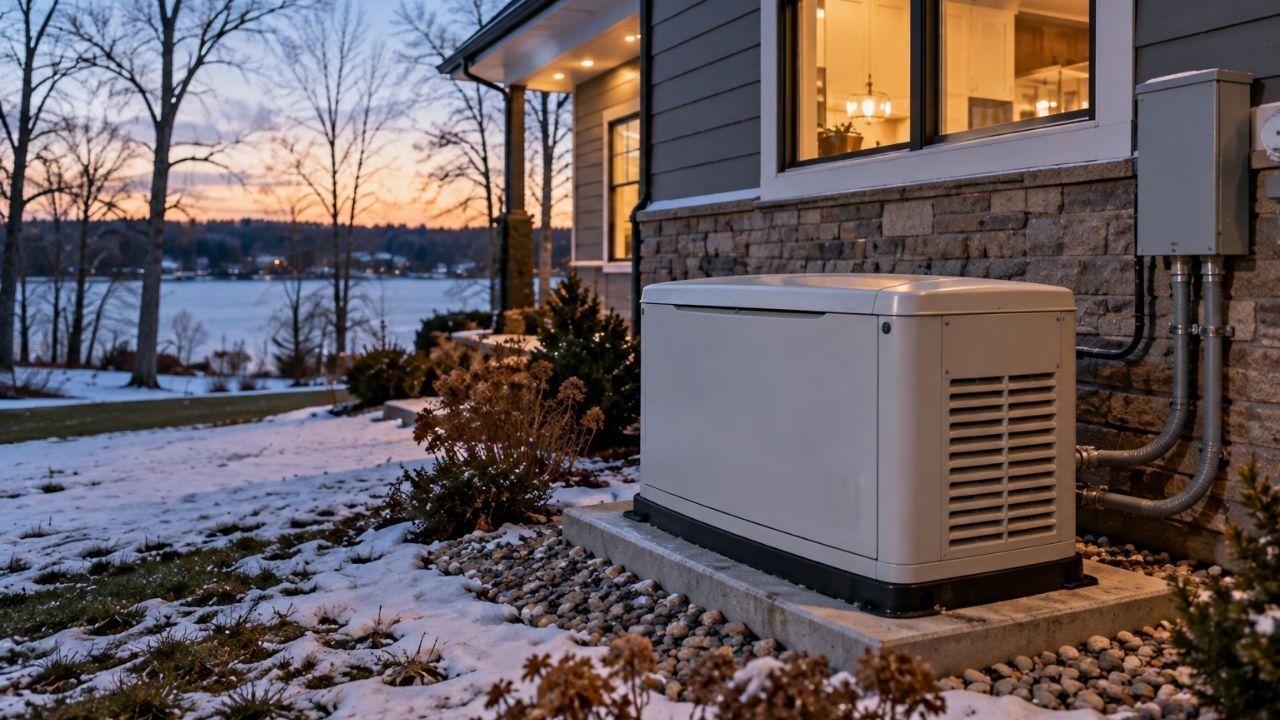
Learn how Michigan home insurance covers backup generators, including storm damage, power surges, mechanical breakdowns, and equipment coverage options.
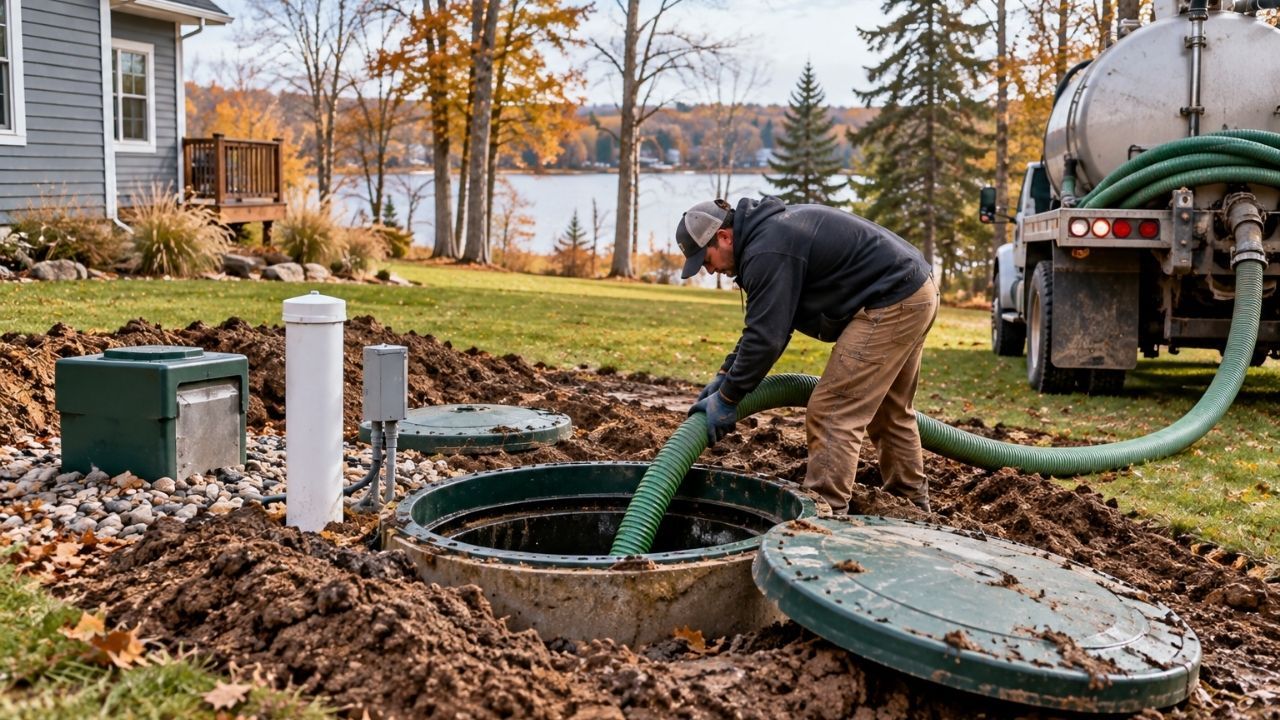
Learn how Michigan home insurance covers private wells and septic systems, including pump failures, sewage backups, service lines, and key endorsements.
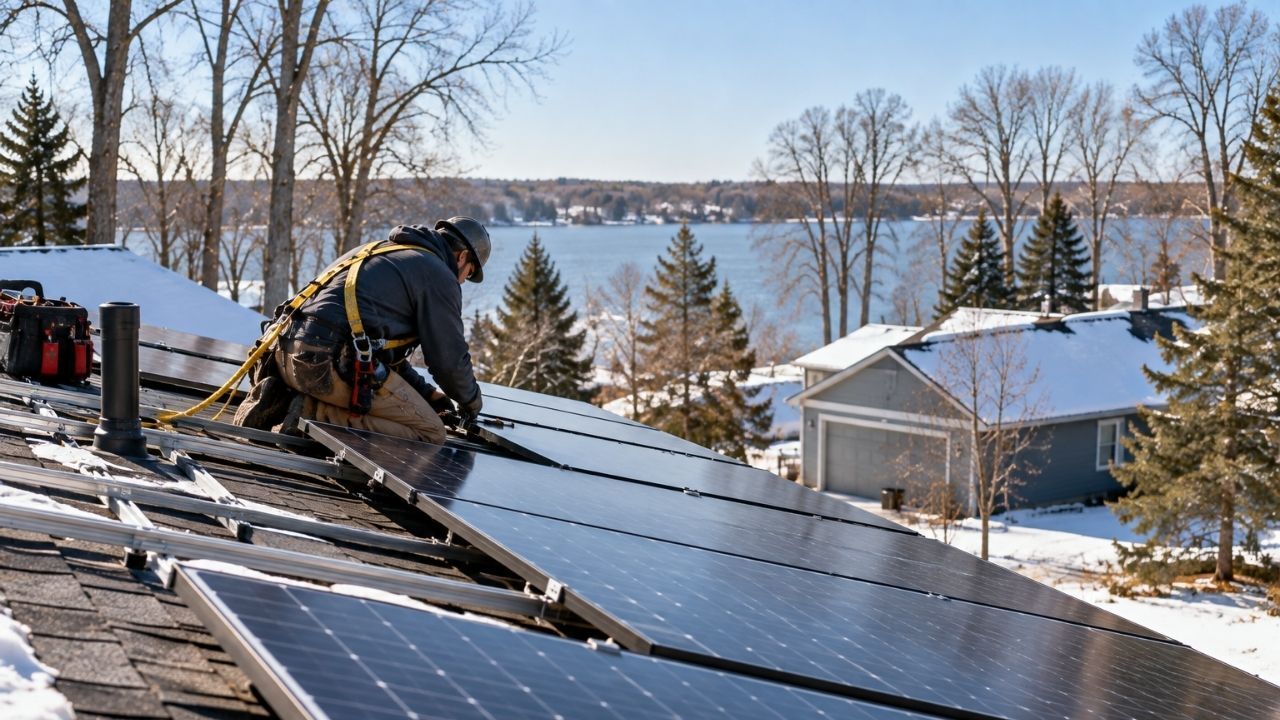
Protect your Michigan solar investment with the right home insurance coverage. Learn about panel damage, storm risks, deductibles, and coverage limits.
Protect your finished Michigan basement with the right home insurance coverage. Learn about water backup, sump pumps, flooding, egress, and coverage gaps.
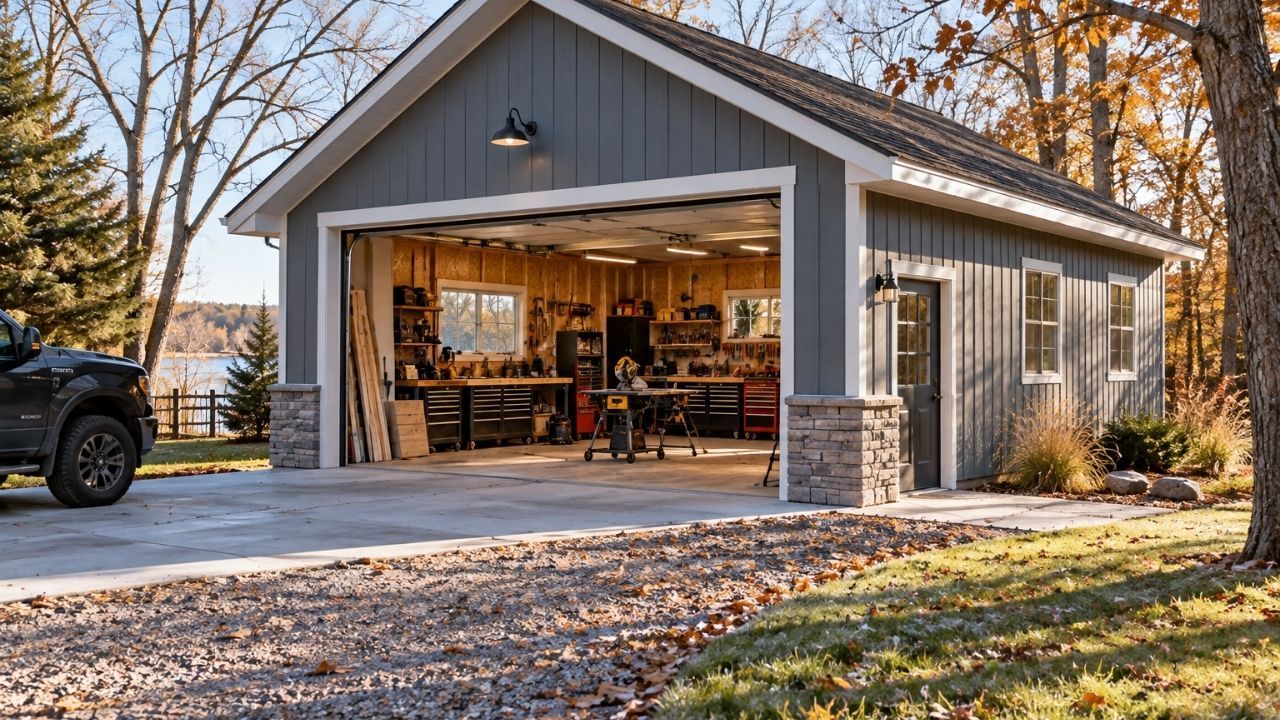
Protect your Michigan detached garage or workshop with the right insurance. Learn about Coverage B, snow risks, tools, equipment, and business use.
Update your Michigan home insurance after renovations. Learn how to adjust coverage, replacement costs, and protect your investment from costly gaps.
Protect your Michigan rental with the right landlord insurance. Learn coverage options, DP-1 vs. DP-3, liability, loss of rent, and key risks.

Wilde Wealth Insurance Services provides Michigan boat insurance coverage options to protect your vessel, liability, and finances on inland and Great Lakes waters.

Discover how much you can save bundling home and auto insurance in Michigan. Learn average discounts up to 25% and money-saving tips.