
Email us today!

Michigan Car Insurance for Drivers With Employer Vehicles: Everything You Need To Know
November 12, 2026
See How We're Different
or call us: (248)-647-2500
Thousands of Michigan workers drive employer-owned vehicles every day, from sales representatives covering territories across Metro Detroit to electricians running service calls in Grand Rapids. If you are one of them, the question of who carries your insurance protection is not as straightforward as it may seem. Michigan's no-fault system creates a unique web of rules that determines which policy pays first, what benefits you receive, and where dangerous coverage gaps can appear. The stakes are high: Michigan drivers still face some of the highest average premiums in the country, and a single uninsured gap could leave you personally responsible for tens of thousands of dollars. Understanding how car insurance works for drivers with employer vehicles in Michigan is not optional; it is a financial necessity. Whether your employer provides a fleet truck or a company sedan, the overlap between business and personal coverage deserves careful attention before an accident forces you to figure it out in a claims adjuster's office.
Understanding Michigan No-Fault Laws for Company Cars
Michigan's no-fault insurance system operates differently from most other states, and that difference matters greatly when a company vehicle is involved. Under no-fault law, your own insurance pays for your medical expenses and lost wages after an accident, regardless of who caused the crash. The system is designed to speed up benefit payments, but it also creates a strict hierarchy for determining which insurer is on the hook. For drivers of employer-provided vehicles, this hierarchy, known as the order of priority, dictates whether your employer's commercial auto policy or your personal policy responds first.
The Order of Priority for Benefits
Michigan law establishes a specific order of priority for no-fault benefits that applies every time someone is injured in a motor vehicle accident. If you are hurt while driving a company car, the insurer of the vehicle you were operating is first in line to pay your Personal Injury Protection (PIP) benefits. That means your employer's commercial auto insurer bears the initial responsibility. If that policy does not exist or does not cover the situation, the priority shifts to the insurer of the vehicle's owner, then to your own personal auto policy, and finally to the Michigan Assigned Claims Plan if no other coverage applies.
This order matters because it determines the speed and scope of your benefit payments. A gap at any level can delay medical treatment authorizations or wage-loss reimbursements during a critical recovery window.
Personal Injury Protection (PIP) Requirements
Every registered vehicle in Michigan must carry PIP coverage, and your employer's fleet vehicles are no exception. PIP covers medical expenses, up to three years of wage-loss benefits (capped at a percentage of your income), and replacement services for household tasks you cannot perform while recovering. As of July 1, 2026, the Michigan Catastrophic Claims Association (MCCA) per-vehicle assessment fee is $8, a figure that reflects ongoing reforms to the state's no-fault cost structure.
Drivers can choose from several PIP coverage levels, ranging from unlimited lifetime medical benefits down to a $50,000 cap or even an opt-out if you have qualifying health insurance. Your employer's commercial policy will carry its own PIP election, and that election may differ from what you chose on your personal policy. Knowing both levels is essential for understanding your true protection.
Why Your Personal Policy Might Not Cover a Work Vehicle
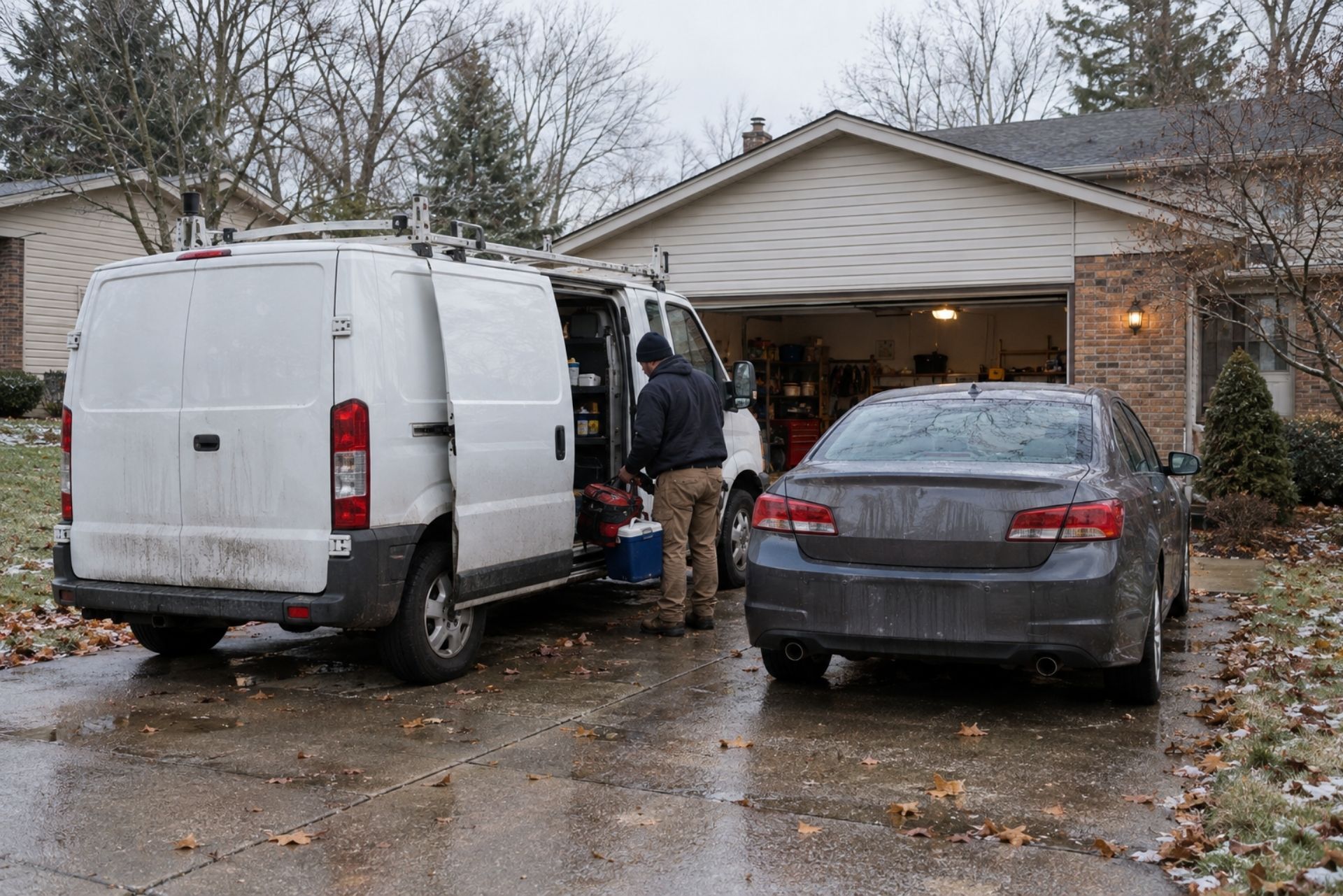
Many drivers assume their personal auto insurance follows them into any vehicle they drive. That assumption can be costly. Personal auto policies are written to cover vehicles you own or occasionally borrow, not vehicles you drive routinely as part of your job. The distinction between occasional use and regular use is where most coverage disputes begin.
The 'Regular Use' Exclusion Explained
Nearly every personal auto policy in Michigan contains a "regular use" exclusion. This clause states that the policy will not cover a vehicle that is furnished or available for your regular use but not listed on your policy. If your employer provides you with a car that you drive five days a week, your personal insurer will almost certainly classify that as regular use and deny any claim you file under your personal policy for an incident in that vehicle.
The exclusion exists because insurers price your personal policy based on the vehicles you disclosed. A company truck you drive 30,000 miles a year represents a risk your personal insurer never agreed to cover. Even if you pay for full coverage on your own car, that protection does not automatically extend to a company vehicle you use on a daily basis.
Gaps Between Business and Personal Liability
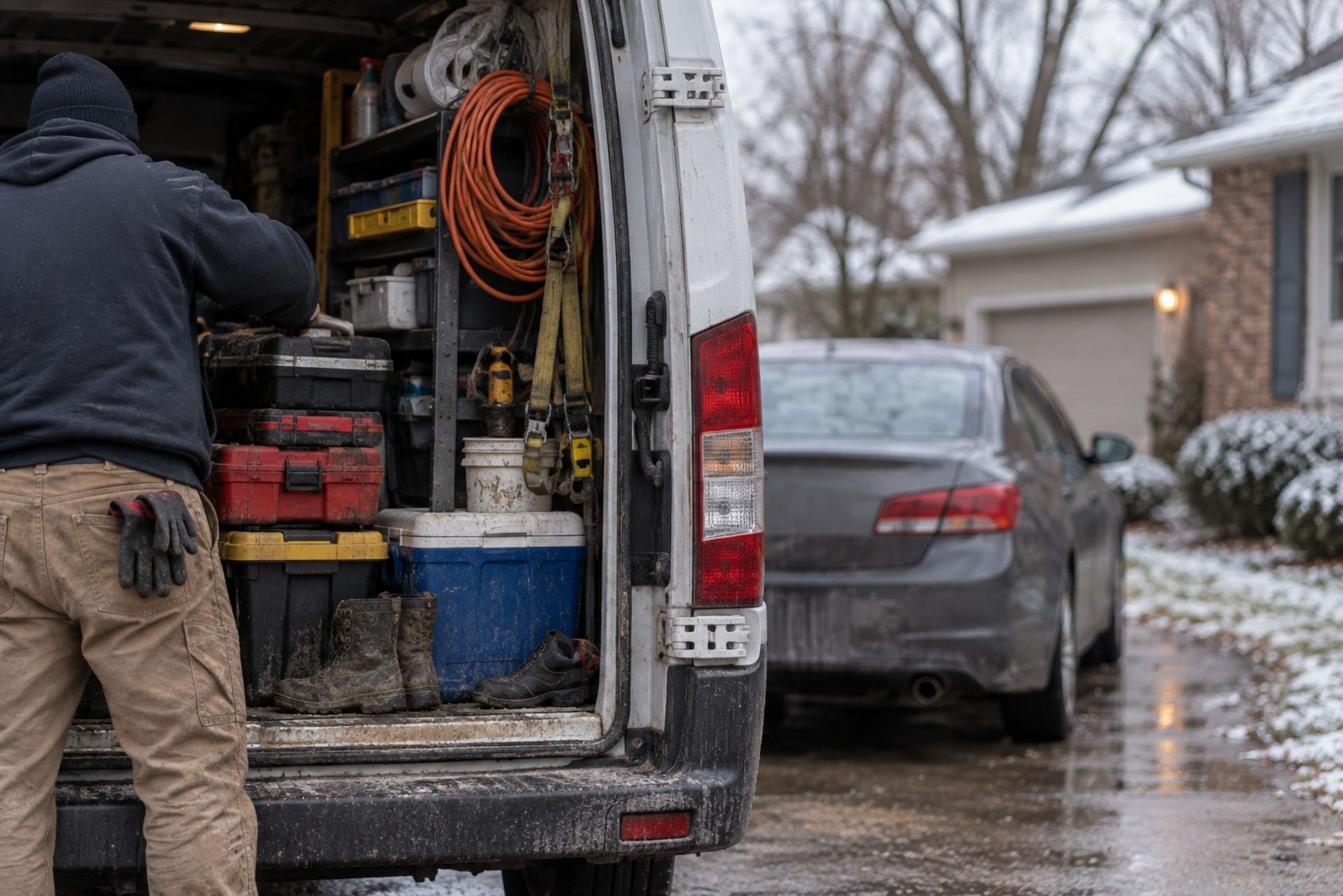
Your employer's commercial auto policy covers the vehicle and typically provides liability protection while you are performing work duties. The gap appears when you use the company car for personal errands, commuting, or weekend trips. Some commercial policies restrict coverage to business use only, meaning a Saturday grocery run in your company SUV could leave you without liability protection.
On the personal side, your own policy excludes the company car under the regular use clause. The result is a coverage gap where neither policy responds. This is precisely the scenario that leads to out-of-pocket liability exposure, and it is more common than most Michigan drivers realize.
Coverage Options for Employer-Provided Vehicles
Closing the gap between your employer's commercial coverage and your personal policy requires a targeted endorsement. Two options stand out for Michigan drivers who rely on company vehicles.
Extended Non-Owned Auto Coverage Endorsement
An extended non-owned auto endorsement is added to your personal auto policy and broadens your coverage to include vehicles you do not own but drive regularly. This endorsement overrides the regular use exclusion for a specific vehicle, your employer's car, and provides liability and sometimes collision or comprehensive protection that your base policy would otherwise deny. The cost is typically modest, often between $50 and $150 per year, depending on your insurer and driving record.
This endorsement is particularly valuable for employees who use a company vehicle for both work and personal purposes. It ensures that your personal policy fills in the gaps left by your employer's commercial coverage, especially during off-duty use.
Drive Other Car (DOC) Coverage for Executives
Drive Other Car coverage, commonly called DOC, is an endorsement added to the employer's commercial auto policy rather than to your personal policy. It extends the commercial policy's protections to the named individual for personal use of the company vehicle, and it can also cover the individual when driving non-owned vehicles like rental cars.
DOC endorsements are most common for executives and key employees who receive a company car as part of their compensation package and may not maintain a personal auto policy at all. If you do not own a personal vehicle and rely solely on the employer-provided car, a DOC endorsement may be your primary source of personal driving coverage. Talk with your employer's risk manager to confirm whether this endorsement is already on your company's policy.
Comparison: Personal Policy vs. Employer Endorsements
Choosing the right coverage structure depends on how you use the company vehicle and whether you also own a personal car. The table below highlights the key differences.
Coverage Comparison Table
| Feature | Personal Policy (No Endorsement) | Extended Non-Owned Auto Endorsement | Drive Other Car (DOC) Endorsement |
|---|---|---|---|
| Added To | Your personal policy | Your personal policy | Employer's commercial policy |
| Covers Company Car for Work Use | No (regular use exclusion) | Yes | Yes |
| Covers Company Car for Personal Use | No | Yes | Yes |
| Covers You in Rental Cars | Usually yes | Yes | Often yes |
| Typical Annual Cost | $0 (already excluded) | $50 to $150 | Varies; employer usually pays |
| Who Arranges It | You | You, with your insurer | Your employer |
| Best For | Drivers who never use a company car | Employees who also own a personal vehicle | Executives with no personal auto policy |
The right choice often depends on ownership. If you maintain your own vehicle and policy, the extended non-owned auto endorsement is usually the simplest and least expensive fix. If you have no personal vehicle, push for DOC coverage through your employer's policy, or consider a named non-owner policy to ensure you meet Michigan's insurance requirements.
Common Questions About Michigan Company Car Insurance
Do I need my own insurance if I only drive a company car?
Michigan law requires every registered vehicle to carry insurance, but if you do not own a vehicle, you are not legally required to hold a personal policy. That said, going without personal coverage leaves you exposed any time you drive a friend's car, rent a vehicle, or borrow a family member's car. A non-owner policy or DOC endorsement through your employer can close that gap affordably.
What happens if I crash a work van while running personal errands?
Your employer's commercial policy may deny the claim if the policy restricts coverage to business use. Your personal policy will likely invoke the regular use exclusion and also deny coverage. You could be personally liable for property damage, the other driver's mini-tort claim, and any costs that exceed the commercial policy's scope. An extended non-owned auto endorsement on your personal policy prevents this scenario.
Does my spouse have coverage under my employer's policy?
Typically, no. Most commercial auto policies cover only the named employee as a permissive driver. If your spouse drives the company car, they would need to be listed as an additional insured on the commercial policy or carry their own personal auto coverage that does not exclude the vehicle. Confirm the terms with your employer's insurance provider before handing over the keys.
Can I get a Mini-Tort claim if I am in a company vehicle?
Yes. Michigan's mini-tort law allows drivers to recover up to $3,000 for damage to their vehicle from the at-fault driver in a crash. If you are driving a company car and the other driver is at fault, your employer (as the vehicle owner) can file a mini-tort claim for the vehicle damage. You personally could also face a mini-tort claim from the other party if you were at fault, which is another reason personal liability coverage matters.
Making the Right Choice for Your Protection
Driving an employer-provided vehicle in Michigan does not automatically mean you are fully insured. Your employer's commercial policy handles the vehicle and work-related liability, but it rarely covers every scenario you will encounter on Michigan roads. The regular use exclusion on your personal policy creates a gap that only a specific endorsement or standalone non-owner policy can fill.
Start by requesting a copy of your employer's commercial auto declarations page so you know exactly what the policy covers and where its limits end. Then speak with your personal auto insurance agent about adding an extended non-owned auto endorsement if you own a vehicle, or explore a non-owner policy if you do not. If your employer offers DOC coverage, verify that it names you specifically and covers personal use.
The cost of closing these gaps is small compared to the financial exposure of an uninsured accident. A $100 endorsement is far less painful than a $50,000 liability judgment. Take the time now to review both policies, ask the right questions, and confirm that your coverage matches the way you actually use the vehicle. Your future self, standing at the side of a Michigan highway exchanging information with another driver, will be grateful you did.
BLOG AND NEWS
Better Insurance Decisions
Oakland Insurance explains coverage for stored vehicles in Michigan, including comprehensive-only insurance, registration rules, savings, and key risks.
Oakland Insurance explains Michigan auto insurance after moving, including address updates, PIP options, rate changes, coverage limits, and discounts.

Oakland Insurance explains auto insurance for teens at Michigan boarding schools, including no-fault rules, PIP, residency, discounts, and coverage.
Oakland Insurance explains Michigan car insurance for shared vehicles between households, including PIP, permissive use, garaging, and driver coverage.

Oakland Insurance explains Michigan auto insurance after adding a household driver, including PIP, teen rates, discounts, exclusions, and policy updates.

Oakland Insurance explains Michigan auto insurance for college students living away, including PIP, garaging, parent policies, coverage, and discounts.
Oakland Insurance explains Michigan auto insurance when adult children move home, including driver listings, PIP, rates, exclusions, and coverage options.

Michigan home insurance ordinance and code coverage helps protect older homes from costly code upgrades, demolition, wiring, plumbing, and compliance expenses.

Learn how Michigan home insurance covers pole barns and outbuildings, including snow, wind, hail, farm use, Coverage B limits, and key exclusions.
Learn how Michigan home insurance covers backup generators, including storm damage, power surges, mechanical breakdowns, and equipment coverage options.