
Email us today!

Michigan Home Insurance Ordinance and Code Coverage
October 9, 2026
See How We're Different
or call us: (248)-647-2500
A tree crashes through your roof during a spring storm, and your insurance company agrees to pay for repairs. Then the contractor delivers the news: your 1960s wiring does not meet current code, and the city will not issue a permit until you bring the electrical system up to standard. That upgrade alone could cost thousands of dollars your standard policy was never designed to cover. This gap between what your insurer will pay and what local codes now require is one of the most common and costly surprises facing owners of older homes in Michigan. Understanding how ordinance and code coverage works after damage to an older home, including the costs of code upgrades, demolition, wiring, plumbing updates, and the claims process, is not optional knowledge for Michigan homeowners. It is financial self-defense. With Michigan homeowners facing projected rate increases of 8% in 2026 following a cumulative 21% rise over the preceding two years, knowing exactly what your policy does and does not cover has never mattered more. The stakes are real, the rules are changing, and the cost of ignorance lands squarely on your shoulders.
Understanding Ordinance and Code Coverage in Michigan
Ordinance and code coverage is a specific insurance provision that pays for the additional expenses you face when a damaged home must be rebuilt or repaired to comply with current building codes rather than the codes that existed when the home was originally constructed. Michigan has roughly 1.5 million homes built before 1970, and nearly all of them were constructed under codes that bear little resemblance to today's requirements. When a covered loss forces repairs, your municipality will require compliance with the most current standards, not the ones from decades past.
Why Standard Homeowners Policies Fall Short
A standard HO-3 homeowners policy is designed to restore your property to its pre-loss condition. That sounds reasonable until you realize "pre-loss condition" means rebuilding to the same outdated standards your home had before the damage occurred. The policy pays to replace what was there, not to upgrade it. If your home had knob-and-tube wiring or galvanized steel plumbing, a standard policy would technically only cover replacing those same outdated systems, which no modern building inspector would approve. The result is a coverage gap that can reach tens of thousands of dollars on a single claim.
The Impact of Michigan Building Code Updates
Michigan sets a baseline building code at the state level, but local municipalities maintain significant leeway in enforcement and adoption timelines. Cities like Ann Arbor and historic districts in Detroit often require more expensive materials or earlier code adoption than the state minimum. As of April 2026, updated Michigan energy codes require new repairs to undergo building enclosure performance testing, including whole-building air leakage verification. These evolving standards mean that the cost of code compliance after a claim continues to climb, and the gap between what a standard policy covers and what you actually owe grows wider each year.
How Ordinance or Law Coverage Protects Your Investment
Ordinance or law coverage fills the gap your standard policy leaves open. It typically operates through three distinct coverage components, each addressing a different financial exposure that arises when building codes force changes during reconstruction.
Coverage for Undamaged Portions of a Structure
If a building code or local ordinance requires you to tear down undamaged sections of your home because partial reconstruction is not permitted, this component pays for the loss of that undamaged property. A common example: a fire damages 40% of your home, but local code requires demolition of the entire structure because the remaining portion cannot be brought into compliance cost-effectively. Without this coverage, you would absorb the full value of the undamaged 60% yourself.
Demolition and Debris Removal Costs
Tearing down a damaged or condemned structure and hauling away the debris is a separate and often substantial expense. Older homes may contain asbestos, lead paint, or other hazardous materials that require specialized removal crews and disposal procedures. Demolition costs for older Michigan homes often exceed standard policy sublimits, and effective July 1, 2026, Michigan municipalities can withhold up to 25% of fire insurance settlements, with a maximum of $24,096, in escrow to cover potential demolition or debris removal costs. This escrow provision makes adequate demolition coverage even more critical.
Increased Costs of Construction for Upgrades
This is the component most homeowners think of first. It pays the difference between rebuilding to the old standard and rebuilding to current code. Upgraded electrical panels, modern plumbing, energy-efficient windows, improved insulation, and structural reinforcements all fall under this category. For a home built in the 1950s or 1960s, these increased construction costs can represent a significant portion of the total rebuild expense.
Standard Coverage vs. Ordinance and Code Endorsements
The difference between relying on your base policy and adding an ordinance or law endorsement can be dramatic, particularly for homes older than 30 years.
Comparison of Protection Limits
| Feature | Standard HO-3 Policy | With Ordinance/Law Endorsement |
|---|---|---|
| Undamaged structure loss | Not covered | Covered up to policy limits |
| Demolition and debris | Limited sublimit (often minimal) | Separate, higher limit |
| Code-required upgrades | Not covered | Covered (typically 10%-25% of dwelling coverage) |
| Hazardous material removal | Rarely covered | Often included |
| New energy code compliance | Not covered | Covered |
The endorsement is typically offered as a percentage of your dwelling coverage. A home insured for $300,000 with a 25% ordinance endorsement would carry $75,000 in code upgrade protection. For older Michigan homes, that figure can be the difference between a manageable claim and a financial crisis.
Common Michigan Scenarios Requiring Code Upgrades
Real claims illustrate why insurance coverage for code compliance after older-home damage is not a theoretical concern in Michigan. These are situations local adjusters and contractors encounter regularly.
Electrical and Wiring Safety Standards
Homes built before the mid-1970s frequently contain aluminum branch wiring, Federal Pacific or Zinsco electrical panels, or insufficient circuit capacity for modern loads. A kitchen fire that requires rewiring even a portion of the home will trigger a full electrical code review. The inspector will require arc-fault circuit interrupters, proper grounding, updated panel capacity, and compliant wiring throughout any area being repaired. As of March 2024, Michigan's adoption of the 2023 NEC mandates a main exterior disconnect for service changes, which adds approximately $2,000 to project costs (https://www.universalpowerandelectric.com/electrical-insights/upcoming-changes-in-michigan-electrical-codes-what-homeowners-need-to-know), none of which a standard policy is designed to pay.
Energy Efficiency and Insulation Requirements
Michigan's 2026 energy code updates impose stricter insulation values, air sealing standards, and performance testing requirements on any substantial repair or reconstruction. If a windstorm strips your roof and damages the attic structure, the repair must now meet current energy efficiency standards, not the minimal insulation your home had in 1975. New plumbing standards in 2026 also require thermal expansion tanks and pressure-balancing valves, which add cost to any claim involving water supply lines. These requirements are not optional, and your contractor cannot close the permit without meeting them.
Common Questions About Michigan Code Insurance
Do I really need this if my house is newer? If your home is less than 10 years old, the gap between its original construction and current code is usually small. That said, energy codes and electrical standards have changed even in the past five years. A modest endorsement is still worth carrying as inexpensive protection against code shifts you may not be tracking.
Will my basic policy pay for a new roof if the code changes? Your standard policy will pay to replace the damaged roof with similar materials and construction. If the current code requires a different underlayment, improved ventilation, or upgraded sheathing, those added costs fall outside your base coverage. An ordinance endorsement would cover the difference.
How much extra does this coverage cost in Michigan? The endorsement typically adds a modest percentage to your annual premium. The exact cost depends on your home's age, location, dwelling coverage amount, and the percentage of ordinance coverage you select. For most Michigan homeowners, the annual cost is a fraction of what a single code-upgrade expense would be out of pocket.
Is this coverage mandatory for Michigan homeowners? No. Michigan does not require homeowners to carry ordinance and code coverage. Your mortgage lender requires homeowners insurance, but the specific endorsements you add are your decision. The fact that it is optional does not make it unnecessary, particularly for homes built before 1990.
What happens if I do not have this coverage after a fire? You pay the code-upgrade costs yourself. Your insurer will cover restoring the home to its pre-loss condition, but every dollar required to meet current building codes comes from your own funds. With Michigan municipalities now authorized to escrow portions of your settlement for demolition, you could face a situation where part of your payout is held back while you simultaneously owe for upgrades your policy does not cover.
Making the Right Choice for Your Property
Your home's age is the single most important factor in determining how much ordinance and code coverage you need. A home built in the 1940s through 1970s carries the widest gap between its original construction standards and today's requirements. If your home falls in that range, carrying an ordinance endorsement at 25% of your dwelling coverage is a reasonable starting point, though homes in municipalities with aggressive code adoption may warrant more.
Review your policy annually, not just at renewal. Code requirements shift, and your coverage should keep pace. Ask your agent specifically about the three components of ordinance coverage: undamaged structure loss, demolition costs, and increased construction expenses. Make sure you understand the limits on each, because they are not always equal.
One practical step you can take right now is to request a code compliance estimate from a licensed Michigan contractor. Ask them to identify what upgrades your home would need if you had to pull a full renovation permit today. That estimate gives you a concrete number to compare against your current coverage limits. The homeowners who recover well from major losses are almost always the ones who understood their policy before the claim, not after.
BLOG AND NEWS
Better Insurance Decisions
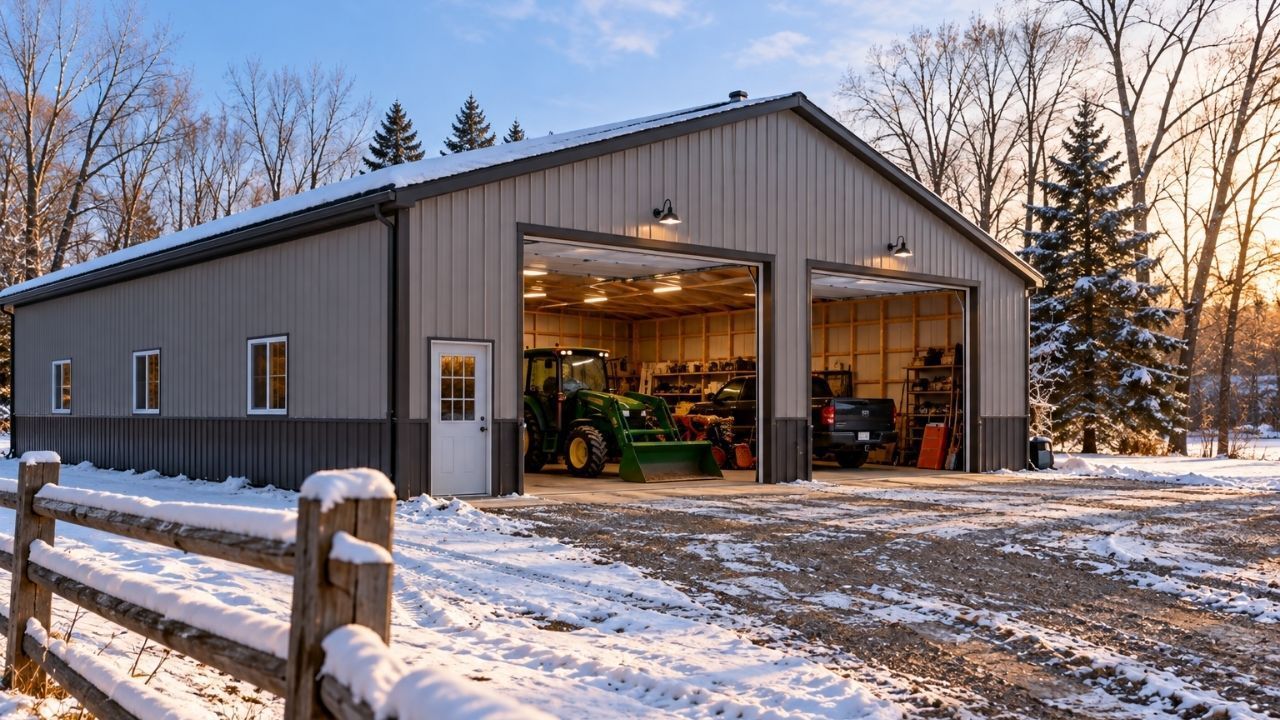
Learn how Michigan home insurance covers pole barns and outbuildings, including snow, wind, hail, farm use, Coverage B limits, and key exclusions.
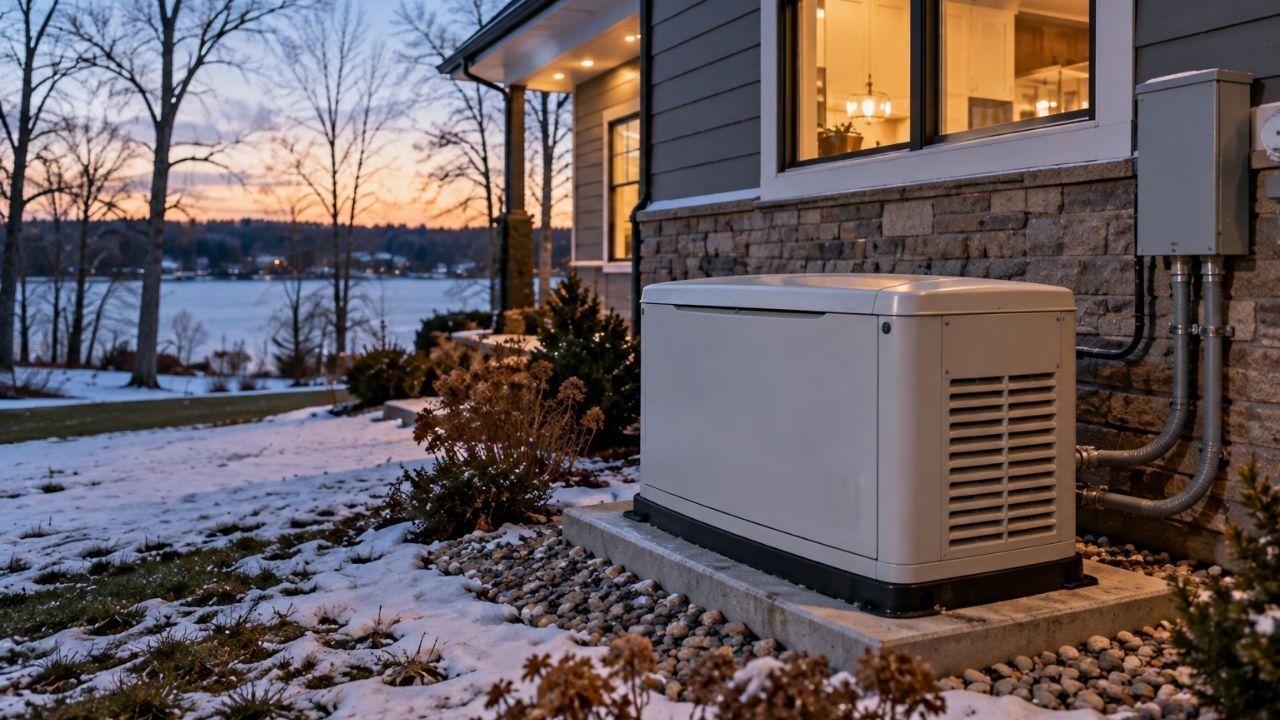
Learn how Michigan home insurance covers backup generators, including storm damage, power surges, mechanical breakdowns, and equipment coverage options.
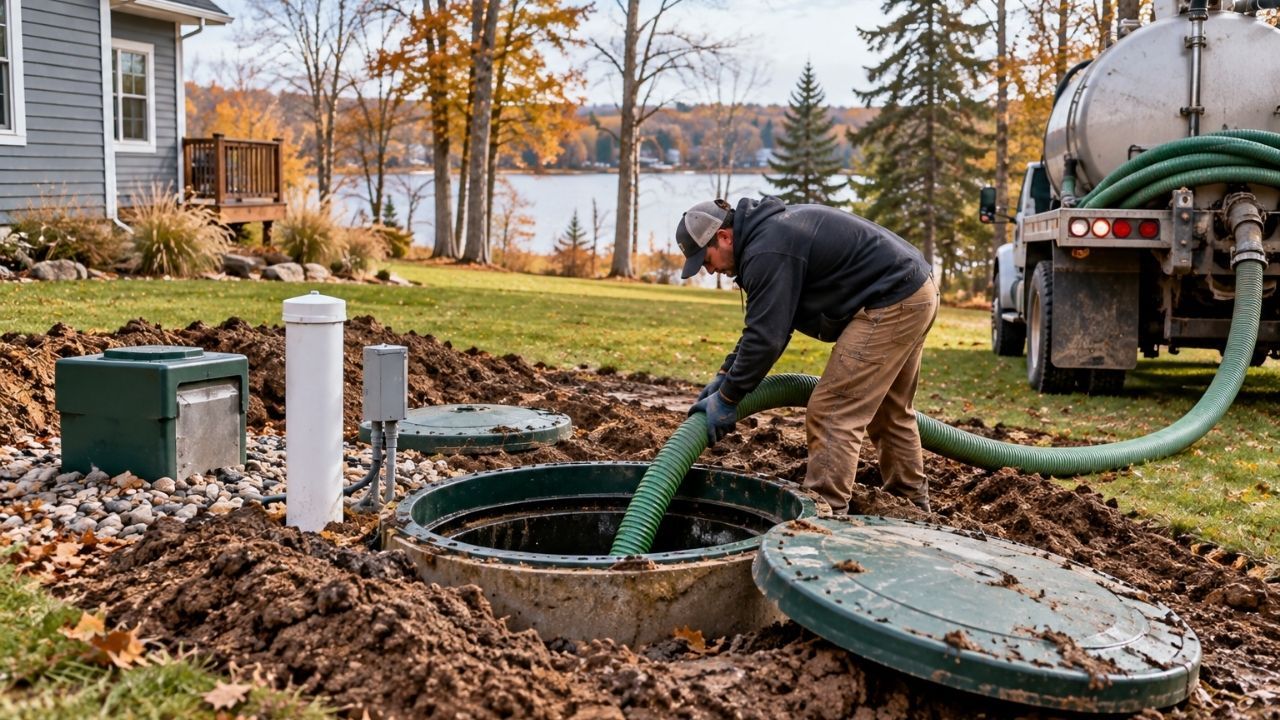
Learn how Michigan home insurance covers private wells and septic systems, including pump failures, sewage backups, service lines, and key endorsements.
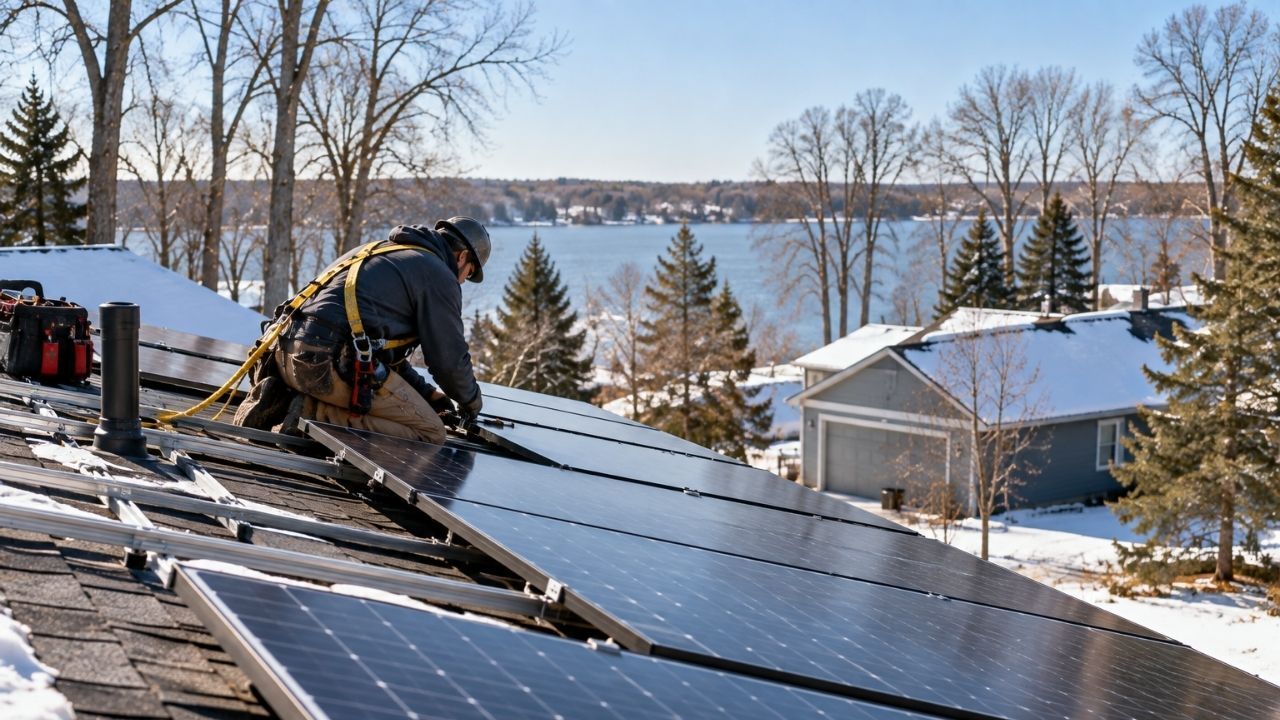
Protect your Michigan solar investment with the right home insurance coverage. Learn about panel damage, storm risks, deductibles, and coverage limits.
Protect your finished Michigan basement with the right home insurance coverage. Learn about water backup, sump pumps, flooding, egress, and coverage gaps.
Protect your Michigan detached garage or workshop with the right insurance. Learn about Coverage B, snow risks, tools, equipment, and business use.
Update your Michigan home insurance after renovations. Learn how to adjust coverage, replacement costs, and protect your investment from costly gaps.
Protect your Michigan rental with the right landlord insurance. Learn coverage options, DP-1 vs. DP-3, liability, loss of rent, and key risks.

Wilde Wealth Insurance Services provides Michigan boat insurance coverage options to protect your vessel, liability, and finances on inland and Great Lakes waters.

Discover how much you can save bundling home and auto insurance in Michigan. Learn average discounts up to 25% and money-saving tips.