
Email us today!

Michigan Home Insurance for Wells and Septic Systems
October 9, 2026
See How We're Different
or call us: (248)-647-2500
Roughly 1.3 million Michigan households depend on private wells, and a comparable number rely on septic systems rather than municipal sewer connections. If your property sits outside a city water district, your home insurance needs differ sharply from those of a homeowner on public utilities. A failed well pump or a sewage backup can cost thousands of dollars, and the standard homeowners policy was not designed with those risks in mind. This guide covers the full picture of home insurance for private wells and septic systems in Michigan, including pump failure, frozen lines, sewage backup, wear and tear exclusions, and the endorsements that fill those gaps. Whether you own a cottage in the Upper Peninsula or a farmstead in Lenawee County, understanding what your policy does and does not cover is the first step toward protecting your investment.
Understanding Michigan Homeowners Insurance for Wells and Septic
A standard HO-3 homeowners policy in Michigan provides broad coverage for the dwelling and other structures on your property. Your well casing, pressure tank, and septic tank are generally considered part of the dwelling or other structures, which means they are protected against named perils such as fire, windstorm, lightning, and vandalism. The critical distinction is between sudden, accidental damage and gradual deterioration. Your insurer will pay to repair a well pump destroyed by a lightning strike, but it will not pay to replace a pump that simply wore out after fifteen years of service.
Standard Dwelling Coverage Limits
Dwelling coverage, often called Coverage A, typically reimburses the cost to repair or rebuild your home and permanently installed equipment. Wells and septic components fall under this umbrella, yet the reimbursement amount is subject to your policy limit and deductible. A detached well house or pump shed may be classified under Coverage B (other structures), which is usually capped at ten percent of your dwelling limit according to the Michigan Department of Insurance and Financial Services. If your dwelling coverage is $300,000, that other-structures cap sits at $30,000, a figure that may or may not be sufficient depending on the complexity of your system.
Common Exclusions for Michigan Rural Properties
Most standard policies exclude damage caused by gradual seepage, ground movement, or lack of maintenance. Septic drain field failures that develop over months or years fall squarely into the wear-and-tear exclusion.
Frozen pipes
and lines may be covered only if you maintained adequate heat in the home or properly winterized the system. A
common reason for claim denial in 2026 is the lack-of-maintenance clause, meaning insurers can refuse payment if you cannot show evidence of regular septic pumping or well inspections. Michigan's regulatory environment complicates matters further: the state
remains the only one in the country without a uniform statewide septic code, and only 12 of its 83 counties enforce local septic ordinances. That regulatory gap means fewer inspection records exist, which can make it harder to prove proper maintenance during a claim.
Essential Endorsements for Well and Septic Owners
The standard policy is a starting point, not a finish line. Two endorsements, in particular, close the most dangerous coverage gaps for rural Michigan homeowners: service line coverage and water backup coverage. Without them, you could face five-figure repair bills with no insurance reimbursement at all.
Service Line Coverage Explained
Service line coverage protects underground pipes, wires, and conduits that connect your home to a well or septic system. A standard policy usually excludes damage to buried lines caused by tree root intrusion, corrosion, or soil shifting. This endorsement pays for excavation, repair, and restoration of the affected line, with coverage limits commonly ranging from $10,000 to $25,000 depending on the carrier and tier you select. For homeowners in northern Michigan, where frost lines extend four feet or deeper, frozen supply lines between the well and the house represent a real and recurring risk. Service line coverage typically addresses that scenario as long as the freeze was sudden rather than the result of an unheated, vacant property.
Water Back-Up and Sump Discharge
Sewage backing up through basement drains is one of the most expensive and unpleasant events a homeowner can face. Professional remediation for a basement sewage backup in Michigan
ranges from $2,375 to $23,750, a cost that standard policies rarely cover without a specific endorsement. The Water Backup and Sump Pump Overflow endorsement fills this gap, and it is available for an estimated $75 to $150 per year in 2026. Given the potential cleanup costs, this endorsement offers one of the strongest returns on premium in any Michigan homeowner's policy. Coverage limits vary by carrier, so confirm that the endorsement cap is high enough to cover full remediation and personal property damage in your basement.
Comparing Coverage: Standard Policy vs. Full Endorsements
Seeing the differences side by side clarifies why endorsements matter so much. The table below outlines how a standard HO-3 policy compares to the same policy with service line and water backup endorsements added.
Comparison Table: Coverage Differences and Value
| Scenario | Standard HO-3 | HO-3 + Endorsements |
|---|---|---|
| Lightning destroys well pump | Covered under dwelling | Covered under dwelling |
| Tree roots crush septic line | Not covered (gradual) | Covered under service line endorsement |
| Sewage backs up into basement | Not covered | Covered under water backup endorsement |
| Frozen supply line bursts | May be covered if heat maintained | Covered under service line endorsement |
| Drain field fails from age | Not covered (wear and tear) | Not covered (wear and tear) |
| Well pump wears out after 15 years | Not covered (mechanical breakdown) | Not covered (mechanical breakdown) |
| Estimated annual endorsement cost | $0 | $95 - $200 combined |
Notice that even with endorsements, gradual wear and mechanical breakdown remain excluded. No standard homeowners endorsement turns your insurance into a maintenance contract. The value of endorsements lies in covering sudden, accidental events that would otherwise leave you paying thousands out of pocket.
Factors That Impact Michigan Insurance Rates
Your premium for well and septic coverage depends on more than just the endorsements you select. Insurers evaluate property-specific risk factors that can push your rate higher or qualify you for credits.
System Age and Maintenance History
A septic system installed in 1985 presents a different risk profile than one installed in 2018. Insurers increasingly ask about system age during the application or renewal process, and some request proof of recent inspections or pump-outs. Keeping receipts from your septic hauler and well technician is not just good housekeeping; it is a claims strategy. Senate Bill 771, introduced in January 2026, proposes mandatory inspections every ten years for Michigan septic systems that are 20 years or older. If this legislation passes, having an up-to-date inspection on file will likely become a prerequisite for certain coverage endorsements.
Soil Conditions and Michigan Water Table Risks
Michigan's geography creates highly variable risk. Sandy soils in the western Lower Peninsula drain quickly, which can accelerate septic effluent movement but reduce backup risk. Heavy clay soils in southeastern Michigan and parts of the Thumb region slow drainage and increase the chance of system overload during spring snowmelt. The average cost for a septic system replacement in Michigan is $16,900, but engineered mound systems required in heavy clay areas can exceed $25,000. Your insurer factors soil type and local water table depth into your premium calculation because these conditions directly influence the likelihood and severity of a claim.
Common Questions About Well and Septic Protection
FAQ: Coverage Costs, Claims, and Failures
Does my standard homeowners policy cover a broken well pump? Only if the damage resulted from a covered peril like lightning or vandalism. A pump that fails from age or normal use is considered mechanical breakdown and is excluded.
How much does water backup coverage cost in Michigan? Most carriers offer the endorsement for $75 to $150 per year in 2026, though the exact price depends on your home's claim history and the coverage limit you choose.
Will my claim be denied if I have not pumped my septic tank regularly? It can be. Insurers frequently cite the lack-of-maintenance clause to deny claims when homeowners cannot produce records of routine septic pumping, typically recommended every three to five years.
Are frozen well lines covered? They may be covered under a service line endorsement or the standard policy, but only if you took reasonable steps to maintain heat in the home or properly winterize the plumbing. Leaving a seasonal property unheated without draining the lines is a common basis for denial.
Does insurance pay for a new drain field? Almost never. Drain field failure is nearly always the result of gradual deterioration, which falls under the wear-and-tear exclusion in every standard policy and endorsement.
Is Michigan going to require septic inspections? Senate Bill 771, introduced in early 2026, proposes mandatory inspections for systems 20 years or older. The bill is still moving through the legislature, but homeowners should prepare by scheduling voluntary inspections now.
Protecting Your Michigan Property Long-Term
Michigan homeowners with private wells and septic systems face a unique combination of climate risk, regulatory gaps, and expensive infrastructure. The right insurance strategy involves three actions: confirming that your dwelling coverage adequately accounts for well and septic components, adding service line and water backup endorsements to close the most costly coverage gaps, and maintaining thorough records of every inspection, pump-out, and repair.
No endorsement eliminates the wear-and-tear exclusion, so budgeting for eventual system replacement remains your responsibility. With septic replacements averaging nearly $17,000 and potentially exceeding $25,000 in challenging soil conditions, a dedicated savings reserve or home warranty with equipment breakdown coverage can serve as a financial backstop where insurance cannot.
Review your policy annually with your agent, ask specifically about well and septic exclusions, and keep your maintenance documentation organized. These steps will not prevent every problem, but they will ensure that when a covered loss occurs, your claim stands on solid ground.
BLOG AND NEWS
Better Insurance Decisions

Michigan home insurance ordinance and code coverage helps protect older homes from costly code upgrades, demolition, wiring, plumbing, and compliance expenses.
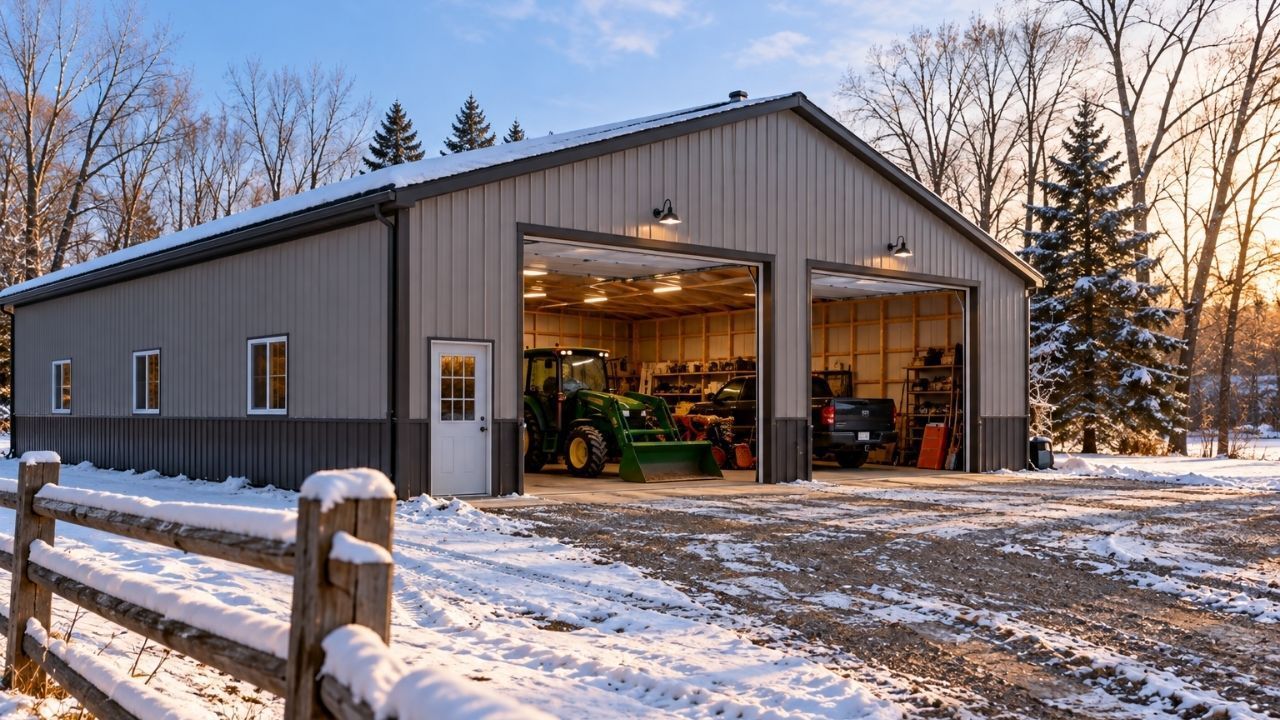
Learn how Michigan home insurance covers pole barns and outbuildings, including snow, wind, hail, farm use, Coverage B limits, and key exclusions.
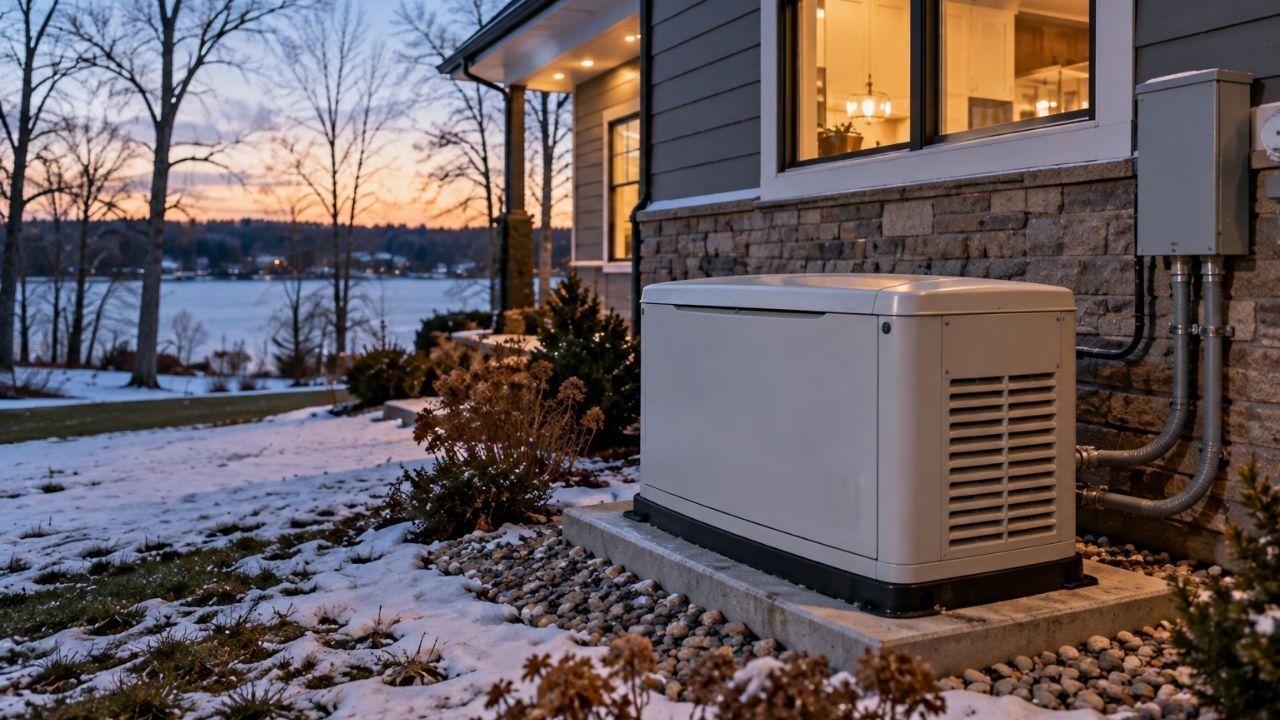
Learn how Michigan home insurance covers backup generators, including storm damage, power surges, mechanical breakdowns, and equipment coverage options.
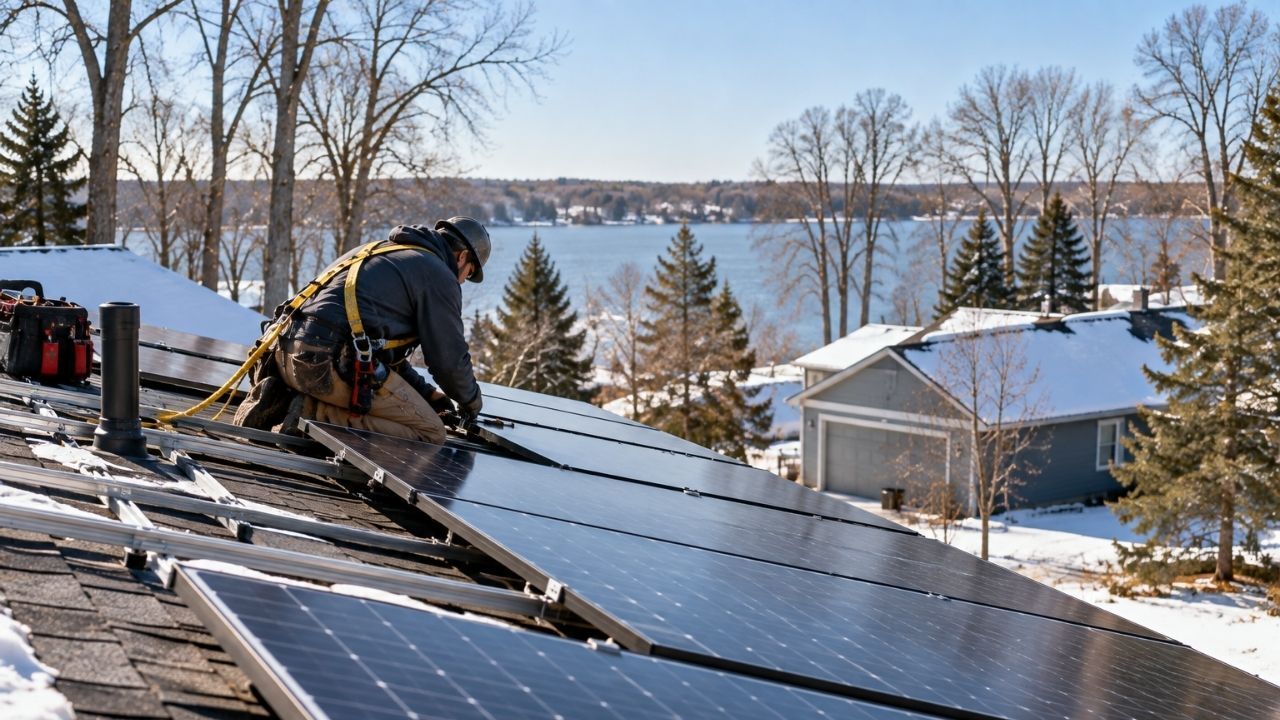
Protect your Michigan solar investment with the right home insurance coverage. Learn about panel damage, storm risks, deductibles, and coverage limits.

Protect your finished Michigan basement with the right home insurance coverage. Learn about water backup, sump pumps, flooding, egress, and coverage gaps.
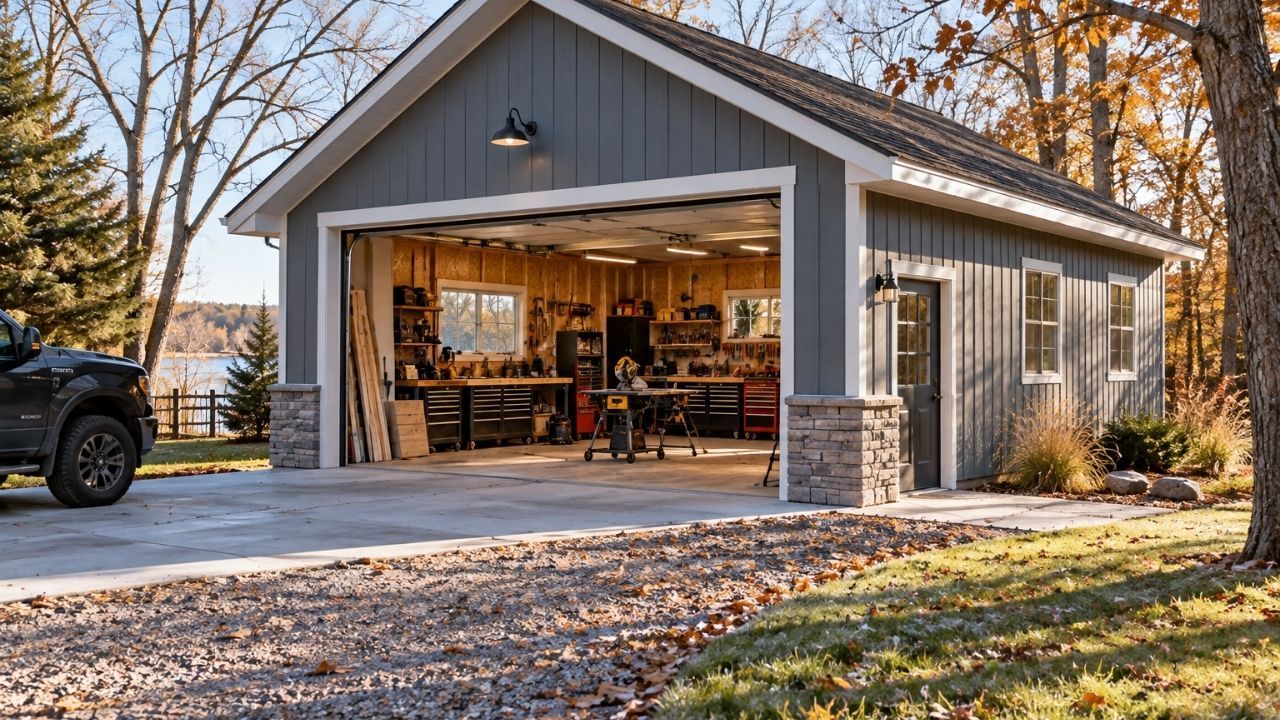
Protect your Michigan detached garage or workshop with the right insurance. Learn about Coverage B, snow risks, tools, equipment, and business use.

Update your Michigan home insurance after renovations. Learn how to adjust coverage, replacement costs, and protect your investment from costly gaps.

Protect your Michigan rental with the right landlord insurance. Learn coverage options, DP-1 vs. DP-3, liability, loss of rent, and key risks.

Wilde Wealth Insurance Services provides Michigan boat insurance coverage options to protect your vessel, liability, and finances on inland and Great Lakes waters.

Discover how much you can save bundling home and auto insurance in Michigan. Learn average discounts up to 25% and money-saving tips.