
Email us today!

Updating Your Michigan Home Insurance After Renovations
October 9, 2026
See How We're Different
or call us: (248)-647-2500
A kitchen gut renovation, a new second-story addition, or even a finished basement can transform your Michigan home, but each of those projects also changes what it would cost to rebuild the property from the ground up. That gap between your current dwelling coverage and the true cost of reconstruction is where financial risk lives. Michigan homeowners have been hit especially hard by cost pressures in recent years: premiums rose an average of 21.6% between 2024 and 2025, with annual increases projected at roughly 8% through 2027. Against that backdrop, failing to update your insurance replacement cost after major renovations is one of the most common and costly mistakes a homeowner can make. Updating your dwelling limits, understanding building code upgrade requirements, knowing when to request an appraisal, and protecting yourself from underinsurance during a claim are all essential steps that follow any significant property improvement. This guide walks you through the full process, with Michigan-specific rules and figures that matter right now in 2026.
Why Michigan Homeowners Must Report Property Improvements
Every dollar you invest in your home potentially widens the distance between your current policy limits and the actual cost of replacing the structure. Your insurer set your original dwelling coverage based on a
reconstruction estimate
that no longer reflects reality once you have added square footage, upgraded materials, or modernized building systems. Michigan does not require insurers to automatically adjust your coverage after a renovation, so the responsibility falls squarely on you.
Avoiding the Replacement Cost Gap
The replacement cost gap is the difference between what your policy will pay and what a contractor would actually charge to rebuild your home to its current condition. If you finished a basement for $60,000 but never notified your carrier, that amount is simply missing from your dwelling limit. In a total loss, you would absorb the shortfall out of pocket. The risk grows even larger when you factor in material and labor cost inflation, which has driven Michigan reconstruction costs upward alongside those rising premiums.
Addressing Increased Liability Risks
Renovations do not only affect your dwelling coverage. A new deck, a swimming pool, or an expanded entertaining space changes your
liability exposure
as well. More usable square footage means more opportunity for guest injuries, and upgraded electrical or plumbing systems introduce new failure points during the construction period itself. Reporting improvements to your agent ensures both your dwelling and liability limits reflect the home you actually own today.
Common Renovations That Impact Your Premium
Not every
home improvement
affects your insurance equally. A fresh coat of paint will not move the needle, but structural changes, high-value material upgrades, and system overhauls almost certainly will.
Kitchen and Bathroom Overhauls
Kitchen and bathroom remodels consistently rank among the most expensive interior projects. Custom cabinetry, granite or quartz countertops, and commercial-grade appliances all raise the per-square-foot replacement cost of those rooms. A mid-range kitchen remodel in Michigan typically costs between $35,000 and $95,000 as of 2026, with high-end projects often exceeding $130,000 (https://costflowai.com/calculators/kitchen/michigan/).
Structural Additions and Finished Basements
Adding a room, building a second story, or converting an unfinished basement into livable space increases your home's total square footage. These changes have the most direct impact on dwelling limits because they alter the physical footprint an insurer must account for. Local building officials in Michigan may also
require the entire structure to meet current codes
if the renovation cost exceeds 50% of the structure's market value, which adds even more to the replacement figure.
Safety and System Upgrades
Replacing your roof, upgrading your electrical panel, or installing a modern HVAC system can actually work in your favor. Many Michigan carriers offer premium discounts for homes with impact-resistant roofing, updated wiring, or whole-house generators. Report these upgrades promptly so your agent can apply any available credits while also adjusting your dwelling limit to reflect the higher-quality systems.
Comparing Standard vs. Renovation-Ready Coverage
Understanding the difference between a standard HO-3 policy and one structured for a recently renovated home helps you avoid gaps that only surface during a claim.
| Feature | Standard HO-3 Policy | Renovation-Ready Coverage |
|---|---|---|
| Dwelling limit basis | Original construction estimate | Updated post-renovation appraisal |
| Building code coverage | Often excluded or capped at 10% | Ordinance or law endorsement included |
| Materials valuation | Standard-grade replacement | Matches upgraded finishes and fixtures |
| Typical annual cost (MI, $300K dwelling) | $2,200 - $2,400 | Varies by endorsements added |
| Inflation guard | May or may not be included | Typically included with annual adjustments |
The average annual cost for a standard HO-3 policy with $300,000 in dwelling coverage in Michigan currently falls between $2,200 and $2,400. Once you add endorsements for ordinance or law coverage, extended replacement cost, and updated material valuations, the premium rises, but so does the financial protection you receive in return.
Building Code Upgrades and What They Mean for Your Policy
Michigan's building code situation in 2026 adds a layer of complexity that homeowners should understand before starting any major project. The state intended to adopt the 2021 International Residential Code and 2021 International Energy Conservation Code by August 2025, but those updates remain stalled due to a lawsuit filed by the Home Builders Association of Michigan. This means local jurisdictions may enforce different code standards depending on where your property sits.
An ordinance or law endorsement on your homeowners policy covers the additional cost of bringing your home up to current codes after a covered loss. Without it, you could face tens of thousands of dollars in uninsured code compliance expenses. If your renovation triggers the 50% rule, where improvement costs exceed half the structure's market value, local officials can mandate full code compliance for the entire building, not just the renovated portion.
Step-by-Step Guide to Updating Your Policy
Taking a systematic approach protects you from coverage gaps and ensures your insurer has everything needed to adjust your limits accurately.
Documenting Receipts and Before-and-After Photos
Keep a dedicated file for every renovation project that includes contractor invoices, material receipts, permit records, and dated photographs showing the home before and after the work. This documentation serves two purposes: it supports your request for a dwelling limit increase, and it provides critical evidence if you ever need to file a claim. Digital copies stored in cloud backup are ideal because they survive the same disasters that could destroy paper records kept in the home.
Notifying Your Agent During the Planning Phase
Do not wait until the project is complete. Contact your insurance agent as soon as you have a signed contract or a firm project budget. Many carriers offer a builder's risk endorsement or a temporary coverage increase during active construction, which protects materials on-site and covers liability for workers on your property. Once the project wraps up, your agent can finalize the permanent dwelling limit adjustment based on the completed scope of work.
Common Questions About Remodeling and Insurance
Do I need a professional appraisal after every renovation? Not always. Minor cosmetic updates rarely require one. While professional appraisals are generally not a mandatory requirement for renovations, they are recommended for high-value specialty items or resolving claims disputes to give both you and your insurer an accurate figure to base your dwelling limit on (https://insurify.com/homeowners-insurance/knowledge/home-insurance-appraisal/).
Will my premium automatically increase after I report a renovation? Your premium will likely adjust upward to reflect the higher dwelling limit, but the increase is proportional to the added coverage. Failing to report the renovation does not save you money; it simply leaves you underinsured.
Can my insurer cancel my policy during a renovation? Some carriers restrict coverage during active construction, especially for projects involving roof removal or foundation work. Discuss the timeline with your agent before demolition begins so you can arrange appropriate interim coverage.
What happens if I file a claim and my dwelling limit is too low? You would receive a payout based on your policy limit, not the actual cost to rebuild. If your home costs $400,000 to reconstruct but your dwelling limit is $300,000, you are responsible for the $100,000 difference.
Does Michigan law give me any recourse if my insurer undervalues a loss? Yes. Michigan law under MCL 500.2833 provides a statutory right to an independent appraisal for fire insurance policies when you and your insurer disagree on the amount of loss.
How Michigan's Fire Insurance Escrow Rules Affect Post-Renovation Claims
One Michigan-specific rule that catches many homeowners off guard involves fire insurance settlements and municipal escrow requirements. Under DIFS Bulletin 2025-27-INS, municipalities can withhold up to $16,383 from a 2026 fire insurance settlement to ensure the property is either repaired or demolished. This escrow amount adjusts periodically, and it applies regardless of whether your home was recently renovated. If you have just invested significant money in improvements, understanding this withholding mechanism helps you plan cash flow during the claims process.
Recognizing and Preventing Underinsurance After a Remodel
Underinsurance is not a hypothetical risk. It is the single most common coverage problem among homeowners who have completed major renovations without updating their policies. The signs are straightforward: if your dwelling limit has not changed since you purchased the home, or if you have completed any significant project without notifying your carrier, there is a strong chance your coverage falls short.
Request a replacement cost estimate from your insurer or an independent appraiser every time you complete a significant project. Compare that estimate against your current dwelling limit. If the gap exceeds 5% to 10%, request an adjustment immediately. Some carriers offer an extended replacement cost endorsement that pays 25% to 50% above your dwelling limit, which provides a buffer against unexpected cost increases during reconstruction.
Appraisals, Disputes, and Your Rights Under Michigan Law
When a claim occurs and you believe your insurer's valuation does not reflect the true replacement cost of your renovated home, Michigan law offers a formal path forward. The independent appraisal process under MCL 500.2833 allows each party to select an appraiser, and those two appraisers then choose an umpire. Any agreement between two of the three becomes binding. This process is particularly valuable for renovated homes because standard insurer estimates often rely on generic cost databases that may not account for custom finishes, upgraded materials, or specialized labor.
Keeping thorough renovation documentation, including the receipts, photos, and permits discussed earlier, strengthens your position in any appraisal dispute. The more evidence you can provide showing exactly what was installed and what it cost, the harder it becomes for an insurer to justify a lower valuation.
Your Next Steps for a Protected Home
Renovating your Michigan home is an investment in comfort, function, and long-term property value. Protecting that investment through properly updated insurance coverage is not optional; it is essential. The core steps are clear: document every project thoroughly, notify your agent before construction begins, request a replacement cost update once the work is finished, and review your policy for endorsements like ordinance or law coverage and extended replacement cost protection.
With Michigan premiums continuing to climb and building code requirements in flux, the cost of being underinsured has never been higher. A single conversation with your insurance agent after a renovation could be the difference between full recovery and a devastating financial shortfall following a loss. Contact your agent this week to review your current dwelling limits against the true replacement value of your home. That one call is the simplest and most effective step you can take to ensure your renovated property is fully protected.
BLOG AND NEWS
Better Insurance Decisions
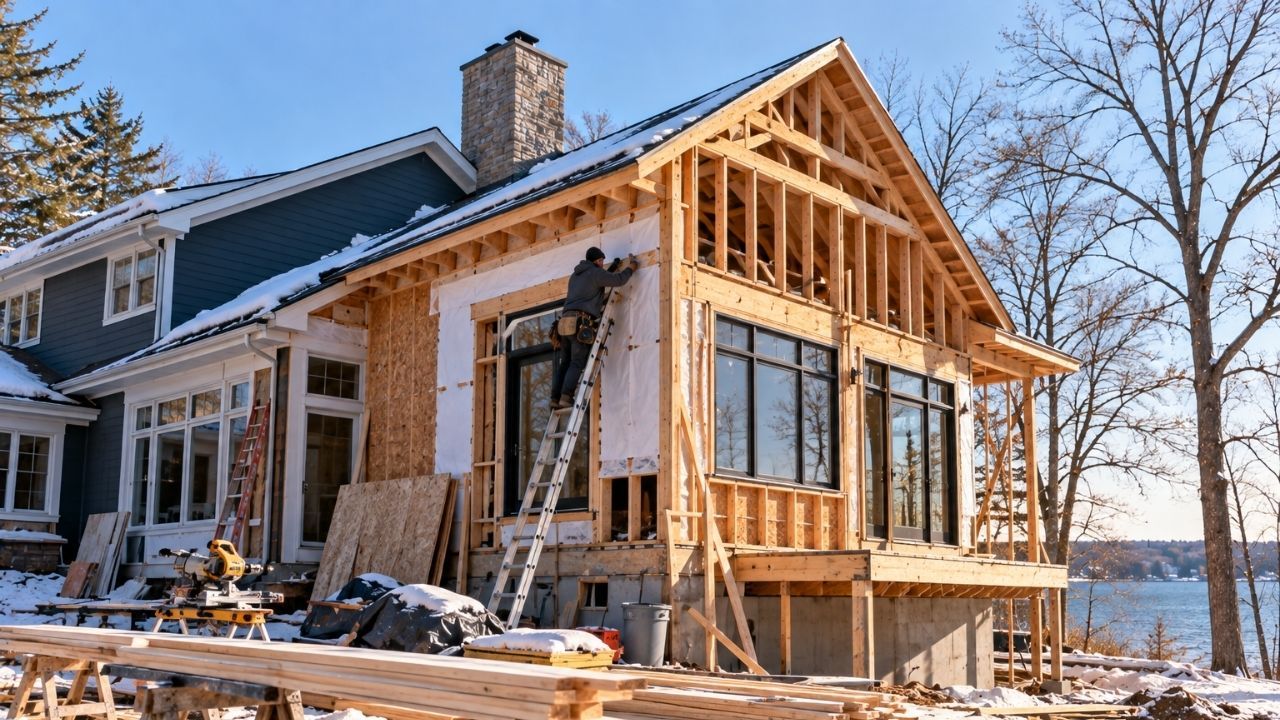
Michigan home insurance ordinance and code coverage helps protect older homes from costly code upgrades, demolition, wiring, plumbing, and compliance expenses.
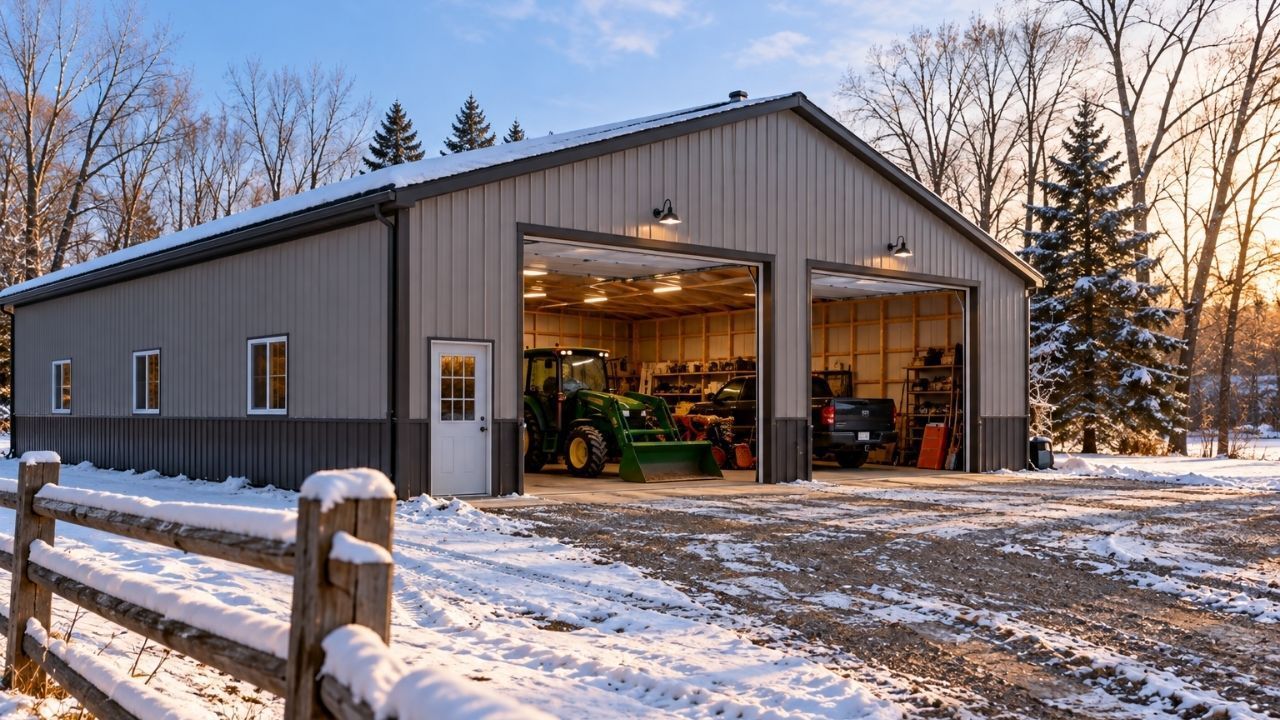
Learn how Michigan home insurance covers pole barns and outbuildings, including snow, wind, hail, farm use, Coverage B limits, and key exclusions.
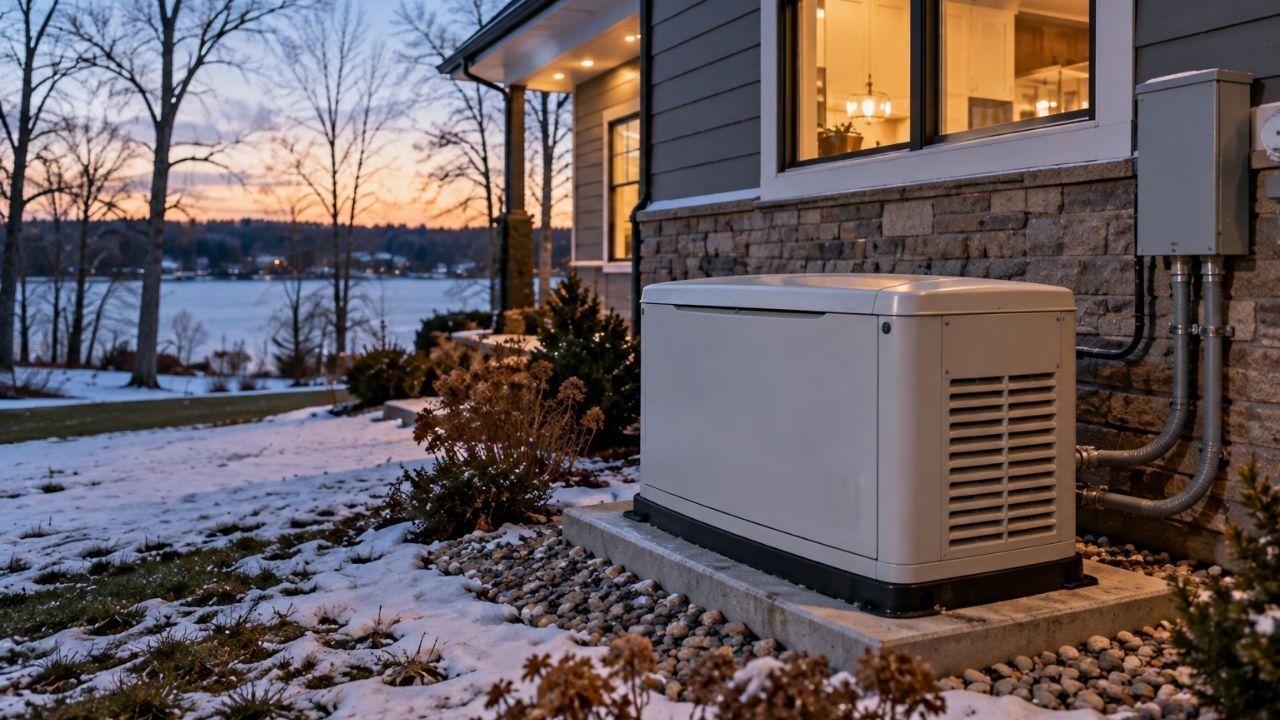
Learn how Michigan home insurance covers backup generators, including storm damage, power surges, mechanical breakdowns, and equipment coverage options.
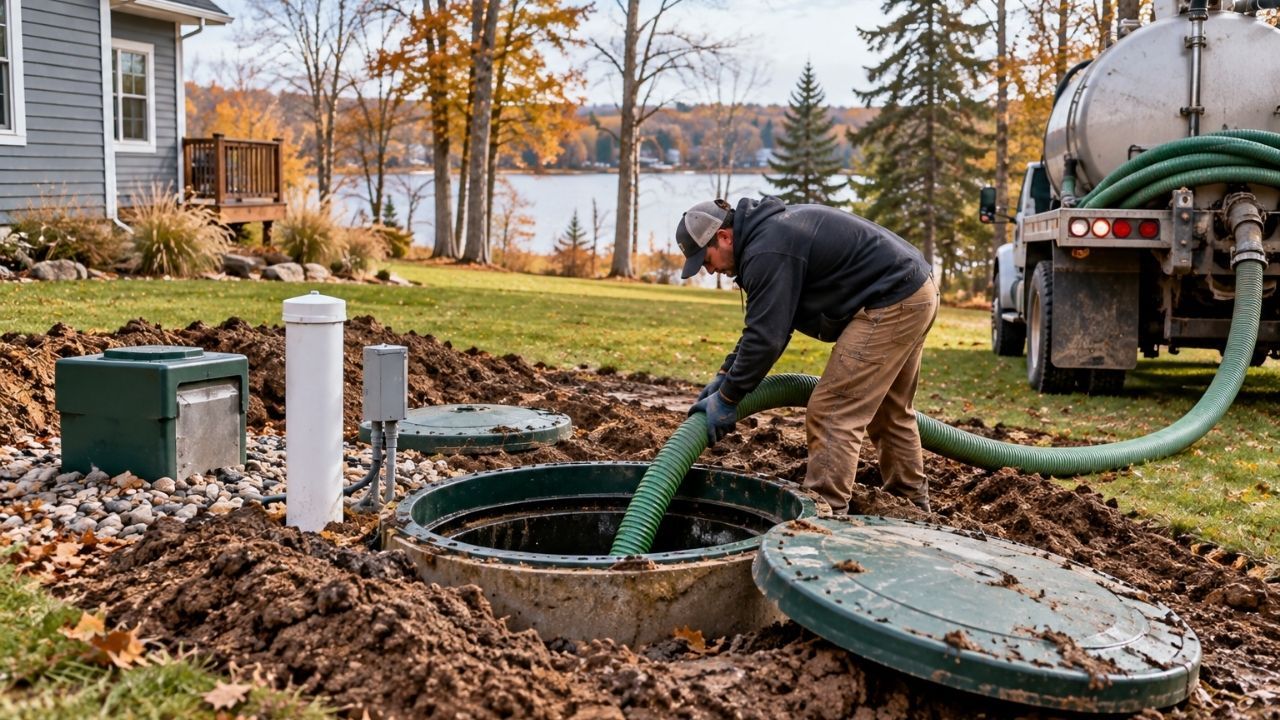
Learn how Michigan home insurance covers private wells and septic systems, including pump failures, sewage backups, service lines, and key endorsements.
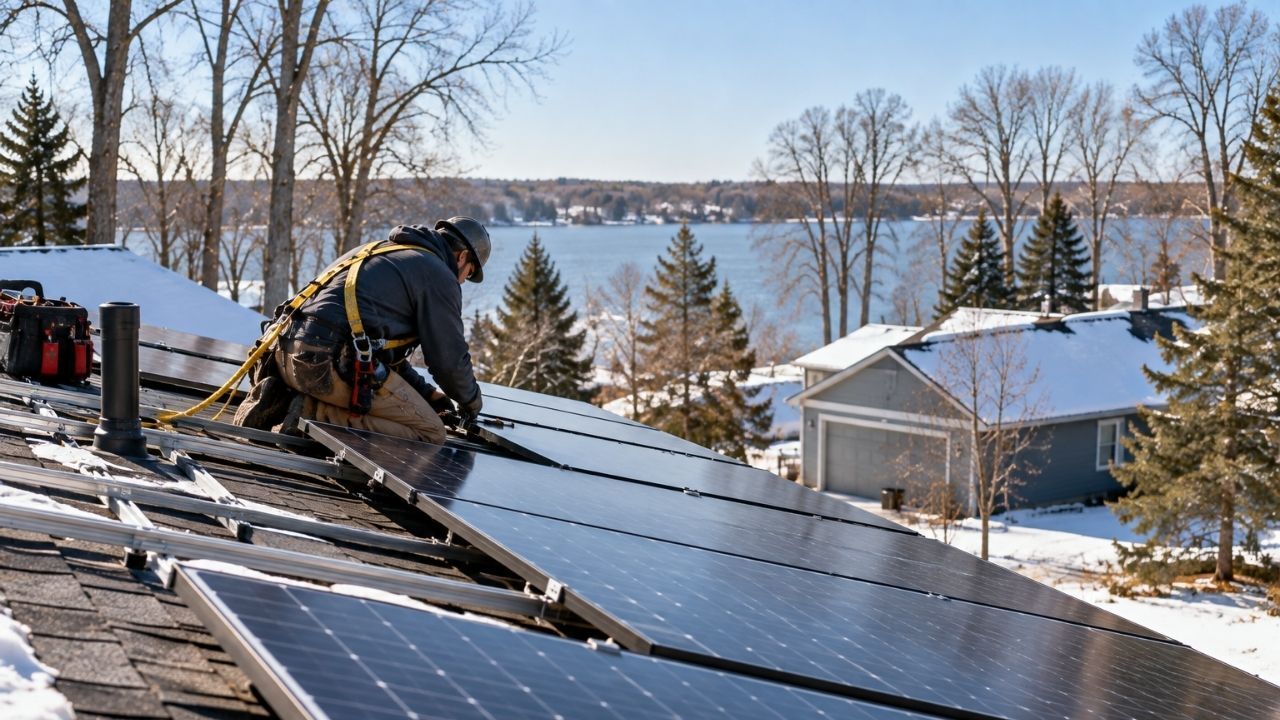
Protect your Michigan solar investment with the right home insurance coverage. Learn about panel damage, storm risks, deductibles, and coverage limits.
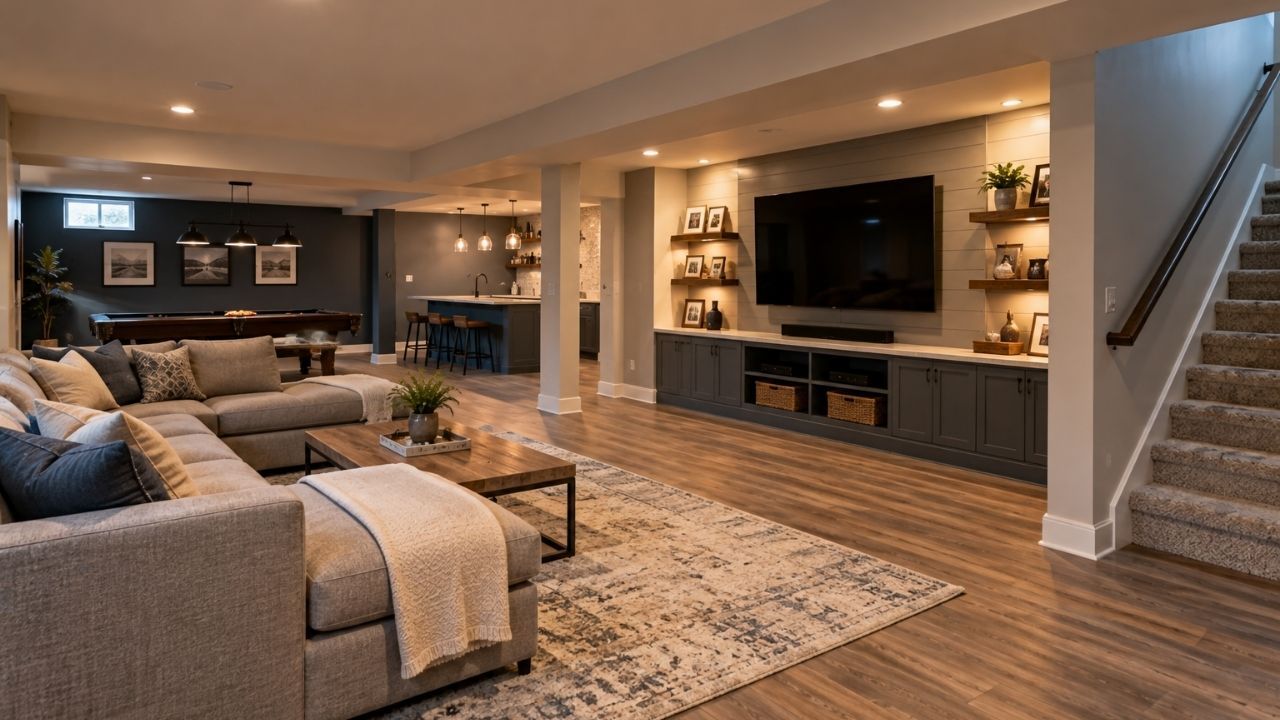
Protect your finished Michigan basement with the right home insurance coverage. Learn about water backup, sump pumps, flooding, egress, and coverage gaps.
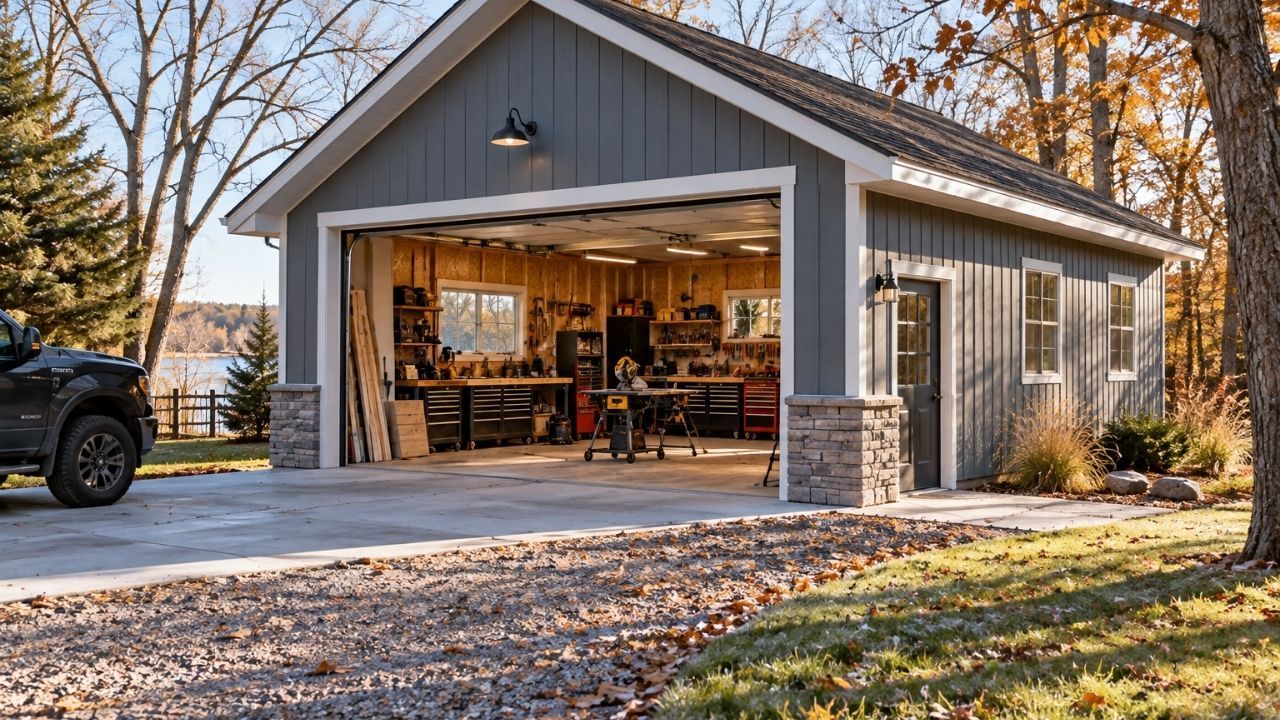
Protect your Michigan detached garage or workshop with the right insurance. Learn about Coverage B, snow risks, tools, equipment, and business use.
Protect your Michigan rental with the right landlord insurance. Learn coverage options, DP-1 vs. DP-3, liability, loss of rent, and key risks.

Wilde Wealth Insurance Services provides Michigan boat insurance coverage options to protect your vessel, liability, and finances on inland and Great Lakes waters.

Discover how much you can save bundling home and auto insurance in Michigan. Learn average discounts up to 25% and money-saving tips.