
Email us today!

Insuring Detached Garages and Workshops in Michigan
October 9, 2026
See How We're Different
or call us: (248)-647-2500
Michigan homeowners who maintain a detached garage, pole barn, or dedicated workshop on their property face a unique set of insurance questions. These structures sit outside the main dwelling, which means they fall under a different part of your homeowners policy, often with lower limits than you might expect. Understanding how home insurance coverage applies to detached garages and workshops in Michigan, from other structures limits and snow load risks to tools, equipment, home businesses, and common exclusions, can save you thousands of dollars when a claim arises. The state's harsh winters, lake-effect storms, and rising premiums in coastal counties make this knowledge especially urgent in 2026. Whether you use your outbuilding to store a classic car, run a small woodworking operation, or simply house seasonal equipment, the gap between what you assume is covered and what your policy actually pays can be significant. This guide walks through the critical details every Michigan property owner should review before the next storm season.
Understanding Other Structures Coverage in Michigan
Your standard homeowners policy, typically an HO-3 form, divides coverage into several categories. The one that applies to detached garages, workshops, sheds, and pole barns is Coverage B, labeled "Other Structures." This section of your policy is separate from Coverage A, which protects the dwelling itself. Because these structures are physically detached from your home, they carry their own sub-limit, and that limit is almost always lower than most homeowners realize.
The 10% Rule for Detached Buildings
Michigan insurers typically set a default limit for Coverage B based on a percentage of your dwelling coverage. If your home is insured for $300,000, your detached garage or workshop receives a set amount of protection. For a basic single-car garage, that figure may be adequate. For a large pole barn with concrete flooring, electrical wiring, and insulation, the default could fall well short of what full reconstruction would cost. You can request a higher Coverage B limit from your insurer, though doing so will increase your premium. The key step is to get a realistic replacement cost estimate for your outbuilding before you accept the default allocation.
Calculating Replacement Cost vs. Actual Cash Value
Two valuation methods apply to other structures claims. Replacement cost pays what it would take to rebuild the structure with materials of similar kind and quality at current prices. Actual cash value deducts depreciation, meaning an older building with a 20-year-old roof could receive a payout far below what you need to rebuild. Many standard policies default to actual cash value for Coverage B, even when Coverage A carries replacement cost. Ask your agent explicitly which valuation method applies to your detached structures, and consider upgrading to replacement cost if your outbuilding has substantial value.
Common Risks for Michigan Outbuildings
Michigan's climate creates specific hazards for any structure that sits on your property. Premiums in the West Michigan and Lakeshore regions are higher due to lake-effect snow loads and coastal wind risks, and these same forces put detached buildings at greater risk of damage than homes in more temperate parts of the state.
Heavy Snow Loads and Roof Collapse
A detached garage or pole barn typically has a simpler roof structure than your main dwelling. Flat or low-pitch roofs are common on older outbuildings, and they accumulate snow rapidly during Michigan's prolonged winter storms. When wet, heavy snow piles up without adequate structural support, roof collapse becomes a real possibility. Michigan winters can lead to unexpected costs related to ice, snow, and burst pipes, and a collapsed workshop roof is among the most expensive claims an outbuilding owner can face. Standard policies generally cover sudden collapse from snow weight, but gradual deterioration or deferred maintenance that contributed to the failure could give your insurer grounds to deny the claim.
Wind Damage and Falling Limbs
Straight-line winds and severe thunderstorms are frequent across Michigan from late spring through early fall. Detached structures, especially those with large door openings like pole barns, are vulnerable to wind-driven damage. Falling tree limbs can puncture roofing, and wind can peel back improperly secured panels. Michigan Senate Bill 1130, introduced in July 2026, proposes that insurers must offer a fortified roof endorsement allowing homeowners to upgrade to higher wind-and-hail-resistant standards during a claim. If this legislation passes, it could provide a cost-effective path to strengthening your outbuilding's roof at the time of a covered loss.
Coverage Comparison: Standard vs. Specialized Protection
Not all detached structure uses are treated equally by insurers. A garage that stores your family vehicles receives different treatment than a workshop where you repair engines for paying customers. The distinction between personal use and business use is one of the most common coverage gaps Michigan homeowners encounter.
Comparison Table: Personal Use vs. Business Use Policies
| Coverage Feature | Standard Homeowners (Personal Use) | Business or Endorsement (Commercial Use) |
|---|---|---|
| Structure Coverage | Coverage B (Personal use only) | Separate commercial property policy or endorsement |
| Contents (Tools/Equipment) | Coverage C, subject to sub-limits | Scheduled or blanket business personal property |
| Liability | Personal liability under Coverage E | Commercial general liability required |
| Liability | Personal liability under Coverage E | Commercial general liability required |
| Lost Income | Not applicable | Business income coverage available |
| Flood/Water Backup | Excluded; endorsement needed | Excluded; separate flood policy needed |
If you use your workshop strictly for personal hobbies, your standard homeowners policy handles most scenarios. The moment you accept payment for services, sell products, or invite clients onto the property, your standard policy's exclusions for business activity could void your claim entirely.
Insuring High-Value Equipment and Tools
Many Michigan homeowners keep thousands of dollars in power tools, welding equipment, automotive lifts, and specialty machinery inside their detached workshops. Your homeowners policy does extend some contents coverage to other structures under Coverage C, but it comes with limitations that catch people off guard.
Coverage C typically applies at a percentage of your total personal property limit, and certain categories of items carry internal sub-limits. Power tools might be covered, but a $5,000 table saw or a $12,000 CNC router could exceed the per-item cap your policy imposes. Reviewing your declarations page for these sub-limits is essential before you assume everything in your shop is protected.
Scheduled Personal Property Endorsements
A scheduled personal property endorsement, sometimes called a floater, lets you list specific high-value items with agreed-upon values. Each scheduled item receives its own coverage amount, and claims are typically paid without a deductible. This approach works well for expensive standalone tools or equipment that would exceed your policy's standard sub-limits. You will need to provide receipts, appraisals, or detailed descriptions to your insurer. The annual cost for scheduling items is generally modest relative to the protection it provides.
Liability Concerns for Home Workshops
Liability is an often-overlooked dimension of workshop insurance. If a neighbor visits your garage and is injured by a piece of equipment, your homeowners policy's personal liability coverage under Coverage E would typically respond. That said, if you were performing work for compensation at the time of the injury, the business activity exclusion could apply. Even informal arrangements, like sharpening a friend's chainsaw for a small fee, can blur the line between personal and commercial use. Homeowners who regularly perform any type of work for others should discuss a home business endorsement or a separate commercial liability policy with their agent.
Frequently Asked Questions About Garage Insurance
Does my home insurance cover my detached garage automatically?
Yes, in most cases. A standard HO-3 policy includes Coverage B for other structures, which applies to detached garages, workshops, sheds, and similar buildings on your property. This coverage typically applies only to detached buildings used for personal use, such as a hobby workshop or personal storage, according to The Zebra. Verify that the default limit provided by your insurer is sufficient for your specific structure.
What happens if I run a side business out of my workshop?
Your standard homeowners policy excludes or severely limits coverage for business activities conducted on the premises. If a customer is injured or business equipment is damaged, you may have no coverage at all. A home business endorsement or a standalone commercial policy is the appropriate solution.
Are my tools covered if they are stolen from the garage?
Coverage C of your homeowners policy extends to personal property in other structures, including theft. However, sub-limits may apply to certain tool categories, and your deductible still applies. Filing a police report promptly and maintaining an inventory with photos or receipts strengthens your claim. Standard policies also exclude flood damage from external water sources for outbuildings, so water-related losses from storms require separate flood coverage.
How do I increase my coverage limit for a large pole barn?
Contact your insurance agent and request an increase to your Coverage B limit. You will likely need to provide details about the structure's size, construction type, and replacement cost. Some insurers may require an inspection or appraisal for structures above a certain value threshold. Expect a corresponding premium increase, but the added protection is well worth the cost for a large or heavily used building. Water backup through drains in detached structures also requires a specific sewer and drain backup endorsement, which is worth adding at the same time.
Making the Right Choice for Your Property
Protecting a detached garage or workshop in Michigan requires more than simply trusting your default homeowners policy. The default Coverage B allocation may leave you significantly underinsured, especially if your outbuilding is large, well-equipped, or used for any type of income-generating activity. Michigan's snow loads, wind events, and rising premiums in lake-effect zones make it critical to review your policy annually.
Start by getting a current replacement cost estimate for your detached structure. Compare that figure to your Coverage B limit and adjust accordingly. Inventory every piece of equipment inside the building and schedule high-value items individually. If you perform any work for compensation, even occasionally, discuss a home business endorsement or commercial policy with your agent before a claim forces the conversation.
The right combination of Coverage B adjustments, scheduled endorsements, and liability protection ensures that your outbuilding and everything inside it is genuinely covered, not just on paper, but in practice when a Michigan winter or summer storm puts your property to the test. Reach out to a local independent agent who understands Michigan-specific risks and can tailor your coverage to the structures you actually own.
BLOG AND NEWS
Better Insurance Decisions
Michigan home insurance ordinance and code coverage helps protect older homes from costly code upgrades, demolition, wiring, plumbing, and compliance expenses.
Learn how Michigan home insurance covers pole barns and outbuildings, including snow, wind, hail, farm use, Coverage B limits, and key exclusions.
Learn how Michigan home insurance covers backup generators, including storm damage, power surges, mechanical breakdowns, and equipment coverage options.
Learn how Michigan home insurance covers private wells and septic systems, including pump failures, sewage backups, service lines, and key endorsements.
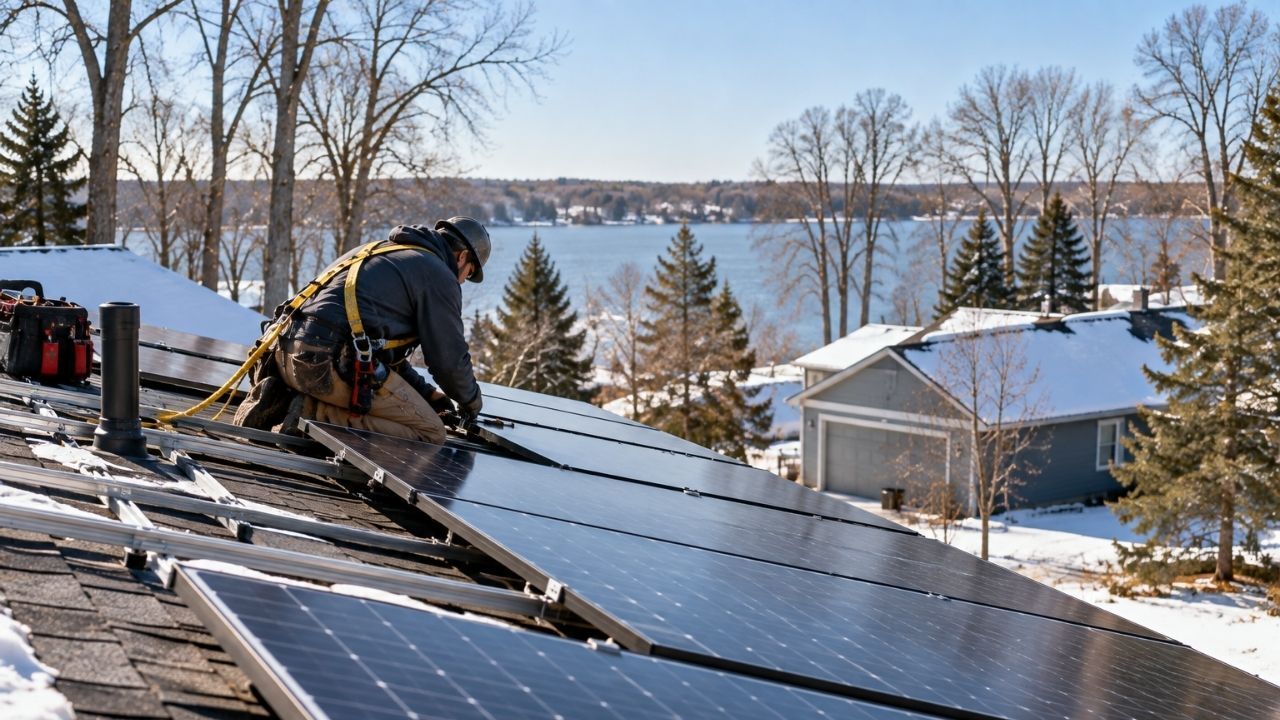
Protect your Michigan solar investment with the right home insurance coverage. Learn about panel damage, storm risks, deductibles, and coverage limits.
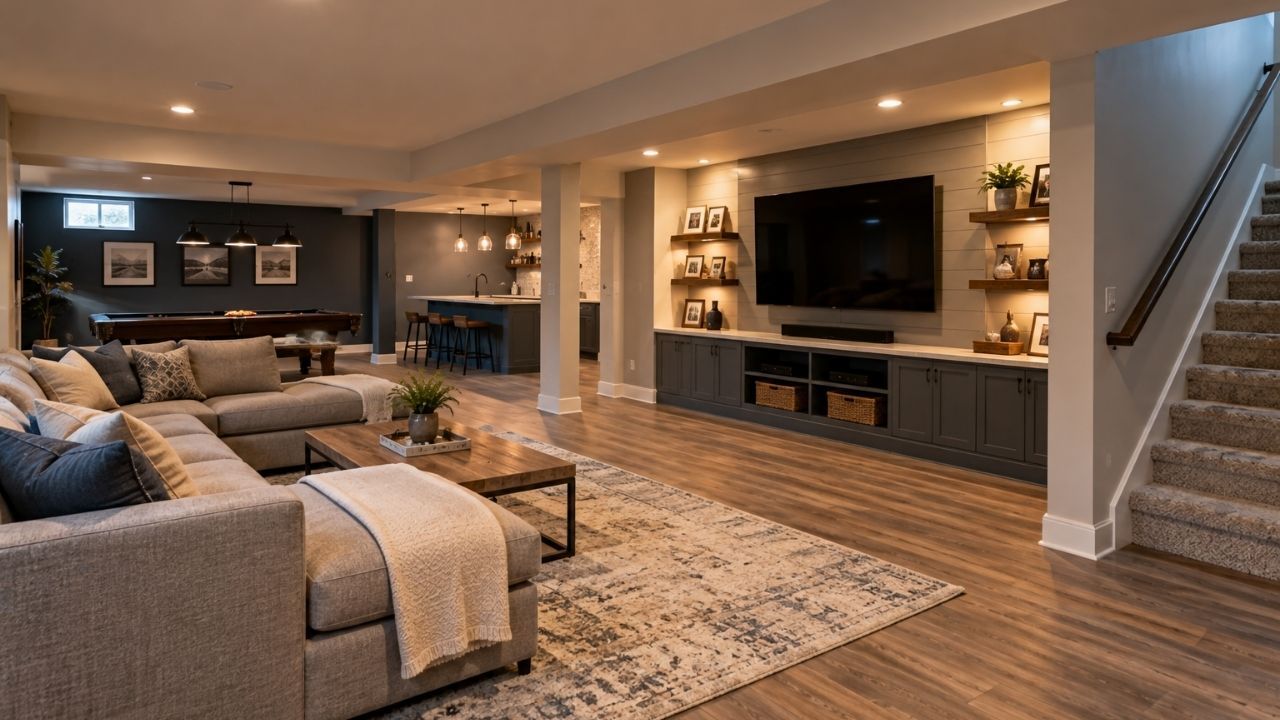
Protect your finished Michigan basement with the right home insurance coverage. Learn about water backup, sump pumps, flooding, egress, and coverage gaps.
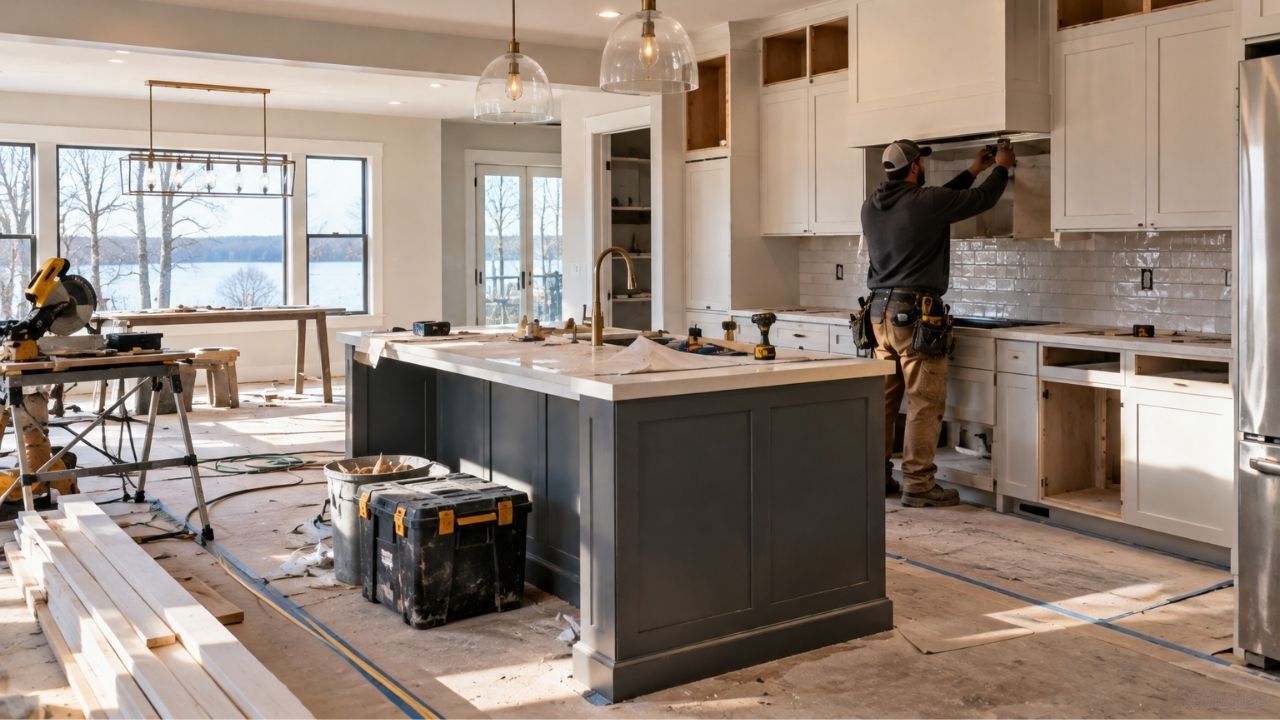
Update your Michigan home insurance after renovations. Learn how to adjust coverage, replacement costs, and protect your investment from costly gaps.
Protect your Michigan rental with the right landlord insurance. Learn coverage options, DP-1 vs. DP-3, liability, loss of rent, and key risks.

Wilde Wealth Insurance Services provides Michigan boat insurance coverage options to protect your vessel, liability, and finances on inland and Great Lakes waters.

Discover how much you can save bundling home and auto insurance in Michigan. Learn average discounts up to 25% and money-saving tips.