
Email us today!

Home Insurance for Solar Panels in Michigan
October 9, 2026
See How We're Different
or call us: (248)-647-2500
Michigan homeowners who install solar energy systems face a question that does not always have a straightforward answer: will your existing home insurance actually protect that investment? With residential solar capacity in Michigan increasing by over 17% year-over-year into 2026, insurance carriers have started responding with more standardized options, but coverage gaps remain common. The state's unique combination of heavy snowfall, hail corridors, and high winds creates risks that a standard homeowners policy may not fully address. Whether you own your panels outright, lease them through a third-party provider, or are still weighing your options, understanding how your insurance responds to solar-related losses is essential. This guide covers roof-mounted and ground-mounted systems, weather-specific perils, leased panel considerations, and the exclusions that catch Michigan homeowners off guard.
Protecting Your Solar Investment in the Great Lakes State
Michigan ranked 7th in the nation for solar panel installations in the first quarter of 2026, a clear sign that the state's solar market is maturing. That growth has been supported by favorable policy changes, including the requirement that took effect on April 1, 2026, mandating that all Michigan HOAs maintain a written solar energy policy rather than issuing blanket bans on installations. HOAs that failed to meet this deadline face potential civil liability and may lose their authority to regulate solar installations entirely.
These regulatory shifts make it easier to install panels, but they do not automatically make it easier to insure them. A typical residential solar array in Michigan costs between $15,000 and $30,000 before incentives, and the state continues to offer property and sales tax exemptions for solar equipment even as certain federal credits have expired. Protecting that financial outlay requires more than a standard homeowners policy written before solar was common in the Great Lakes region.
Your insurance needs will depend on the type of system you install, whether you own or lease it, and where you live within the state. A homeowner in Traverse City faces different snow load risks than someone in Ann Arbor, and your policy should reflect those local realities.
How Michigan Homeowners Policies Cover Solar Panels
Most standard HO-3 policies in Michigan treat permanently attached solar panels as part of the dwelling structure. That means your roof-mounted system generally falls under Coverage A, the portion of your policy that covers the physical structure of your home. The key word here is "permanently attached." If your panels are bolted to the roof and wired into your electrical system, they are typically considered part of the dwelling, not personal property.
Ground-mounted arrays, battery storage units, and detached inverter systems receive different treatment, and the distinction matters when you file a claim.
Rooftop Systems vs. Ground-Mounted Arrays
Roof-mounted panels benefit from dwelling coverage because they are physically integrated into the home. If a windstorm tears shingles and panels from your roof simultaneously, both losses are typically addressed under the same Coverage A claim.
Ground-mounted arrays sit on a separate structure in your yard, which places them under Coverage B (Other Structures) in most policies. Coverage B is usually set at 10% of your dwelling limit by default. If your home is insured for $300,000, you would have $30,000 for other structures, which must also cover your garage, shed, fence, and any other detached buildings. A ground-mounted solar array worth $20,000 could quickly consume most of that limit.
Battery storage systems, whether wall-mounted in the garage or housed in a standalone enclosure, add another layer. Confirm with your insurer whether these components are classified as dwelling, other structures, or personal property, because the answer affects both your coverage limit and your deductible.
Common Perils: Hail, Heavy Snow, and Wind Damage
Michigan's weather creates specific risks for solar installations. Hail is the most common source of solar panel insurance claims in the state, and insurers have started drawing a line between functional damage and cosmetic damage. Most panels sold in Michigan carry IEC 61215 certification, meaning they have been tested against 25mm ice balls at 23 m/s, but insurers are increasingly scrutinizing claims for cosmetic hail damage that does not affect energy output.
Heavy snow loads present a different challenge. Panels are engineered to handle a certain weight, but Michigan's Upper Peninsula and northern Lower Peninsula can see accumulations that exceed manufacturer specifications. If snow load causes structural failure of both the panels and the roof, the claim may involve both Coverage A and the cost of temporary housing under Coverage D.
Wind damage rounds out the trio. Straight-line winds during summer storms can lift panels or dislodge mounting hardware. If your installer did not follow manufacturer torque specifications, your insurer could argue that the damage resulted from faulty workmanship rather than a covered peril, which would trigger a policy exclusion.
Comparing Coverage Needs for Solar Owners
Not every Michigan homeowner needs the same level of solar coverage. Your ownership structure, system size, and location all influence which policy features matter most.
Comparison Chart: Standard vs. Specialized Solar Endorsements
| Feature | Standard HO-3 Policy | Solar Endorsement or Rider |
|---|---|---|
| Roof-mounted panels | Covered under dwelling (Coverage A) | Covered with specified value |
| Ground-mounted arrays | Covered under other structures (Coverage B, 10% default) | Can increase Coverage B or add scheduled coverage |
| Hail damage | Covered for functional damage; cosmetic damage may be excluded | May include cosmetic damage coverage |
| Snow/ice damage | Covered if caused by weight of ice/snow (named peril) | Same, but may offer lower deductible |
| Leased panels | Typically NOT your responsibility to insure | Confirms gap; lessor carries equipment coverage |
| Lost energy income | Not covered | Some endorsements cover lost production revenue |
| Inverter/battery failure | May be excluded as mechanical breakdown | Can add equipment breakdown coverage |
| Deductible | Standard policy deductible applies | May offer separate, lower solar deductible |
The most common mistake Michigan homeowners make is assuming their standard policy is sufficient without verifying the dwelling limit or checking for cosmetic damage exclusions. A quick call to your agent after installation can prevent a painful surprise during claims season.
Adjusting Your Coverage Limits for Michigan Weather
Installing solar panels changes the replacement cost of your home. If you do not update your policy, you risk being underinsured at the exact moment you need full protection.
Updating Your Dwelling Limit (Coverage A)
Your dwelling limit should reflect the full cost to rebuild your home, including the solar energy system. If your home was insured for $350,000 before installation and your rooftop system cost $22,000, your new dwelling limit should be at least $372,000. Some insurers will automatically adjust this figure if you report the installation, but many will not.
Request a replacement cost estimate from your insurer or an independent appraiser after installation. Be specific about the components: panels, inverters, racking, wiring, and any battery storage. If you have a ground-mounted system, verify that your Coverage B limit is sufficient to cover the array plus all other detached structures on your property.
Leased panels require a different approach. If you do not own the equipment, the leasing company or PPA provider typically carries insurance on the hardware itself. Your responsibility is limited to damage the panels cause to your home, such as a roof leak originating at a mounting point. The surge in solar leasing and power purchase agreements in 2026 means more Michigan homeowners are in this situation, and many do not realize that the lease agreement dictates who insures what.
Understanding Separate Deductibles for Storm Damage
Some Michigan insurers apply a separate wind or hail deductible that is higher than your standard deductible. This is common in areas with frequent severe weather claims. Your standard deductible might be $1,000, but your wind/hail deductible could be 1% or 2% of your dwelling limit, turning a $350,000 policy into a $3,500 or $7,000 out-of-pocket cost before coverage applies.
Ask your agent whether a separate storm deductible applies and whether it can be bought down. Some carriers offer a flat-dollar wind/hail deductible endorsement for an additional premium. For a solar homeowner in Michigan, this endorsement can be worth the cost, particularly if your system is in a hail-prone corridor like the southwestern part of the state.
Solar Insurance Frequently Asked Questions
Common Questions About Michigan Solar Coverage
Do I need to tell my insurance company I installed solar panels? Yes. Failing to report the installation could result in a denied claim if the panels are damaged or if they cause damage to your roof. Most insurers require notification within 30 to 90 days of installation.
Are leased solar panels covered by my homeowners insurance? Generally, no. The leasing company insures its own equipment. You should confirm this in your lease agreement and verify that your policy covers any damage the leased panels cause to your home's structure.
Does my policy cover lost energy production if panels are damaged? Standard policies do not cover lost income from reduced solar output. Some specialized endorsements or standalone solar insurance products do offer this coverage, but it is not common in basic Michigan homeowners policies.
Will my premium increase after installing solar panels? It depends on your insurer and the size of your system. Increasing your dwelling limit will likely raise your premium slightly, but the increase is usually modest relative to the value of the system you are protecting.
What if hail damages my panels but they still produce electricity? Many Michigan insurers now exclude cosmetic damage from solar panel claims. If the panels function normally despite visible dents or cracks, your claim may be denied. A solar endorsement that includes cosmetic damage coverage can fill this gap.
Does Michigan require special permits that affect my insurance? Local building permits and electrical inspections are required for most installations. Completing these properly helps support your insurance claim by demonstrating that the system was installed to code.
Making the Right Choice for Your Energy Future
Home insurance coverage for solar panels in Michigan requires more attention than most homeowners expect. The combination of Great Lakes weather, evolving HOA regulations, and the growing popularity of leased systems creates a set of variables that a standard policy was not designed to address.
Your path forward involves three practical steps. First, contact your insurer immediately after installation to report the system and request an updated replacement cost estimate. Second, review your policy for cosmetic damage exclusions, separate storm deductibles, and Coverage B limits if you have a ground-mounted array. Third, if you lease your panels, read the lease agreement carefully to understand where the lessor's insurance ends and your responsibility begins.
Michigan's solar market is growing, and insurance products are adapting to match. The homeowners who protect their investment most effectively are the ones who treat their solar system as what it is: a significant addition to their home that deserves its own line item in the insurance conversation. Take the time to review your policy now, before the next hailstorm makes the decision for you.
BLOG AND NEWS
Better Insurance Decisions
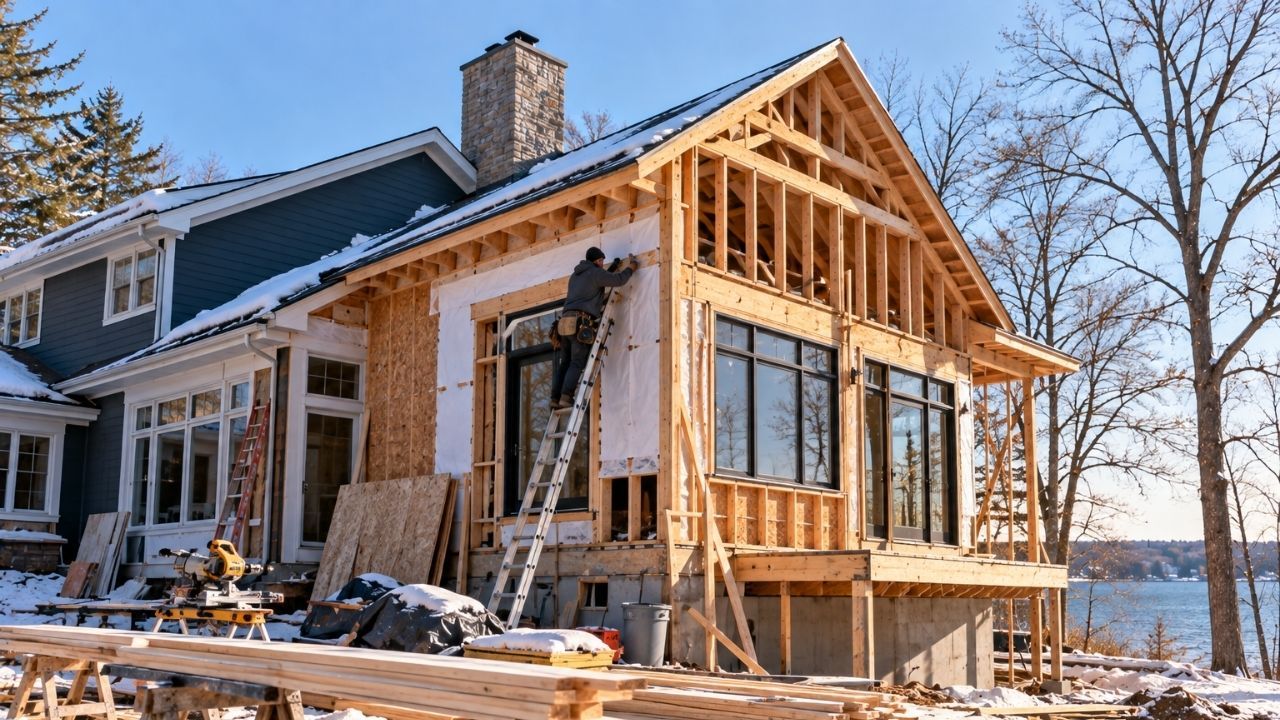
Michigan home insurance ordinance and code coverage helps protect older homes from costly code upgrades, demolition, wiring, plumbing, and compliance expenses.
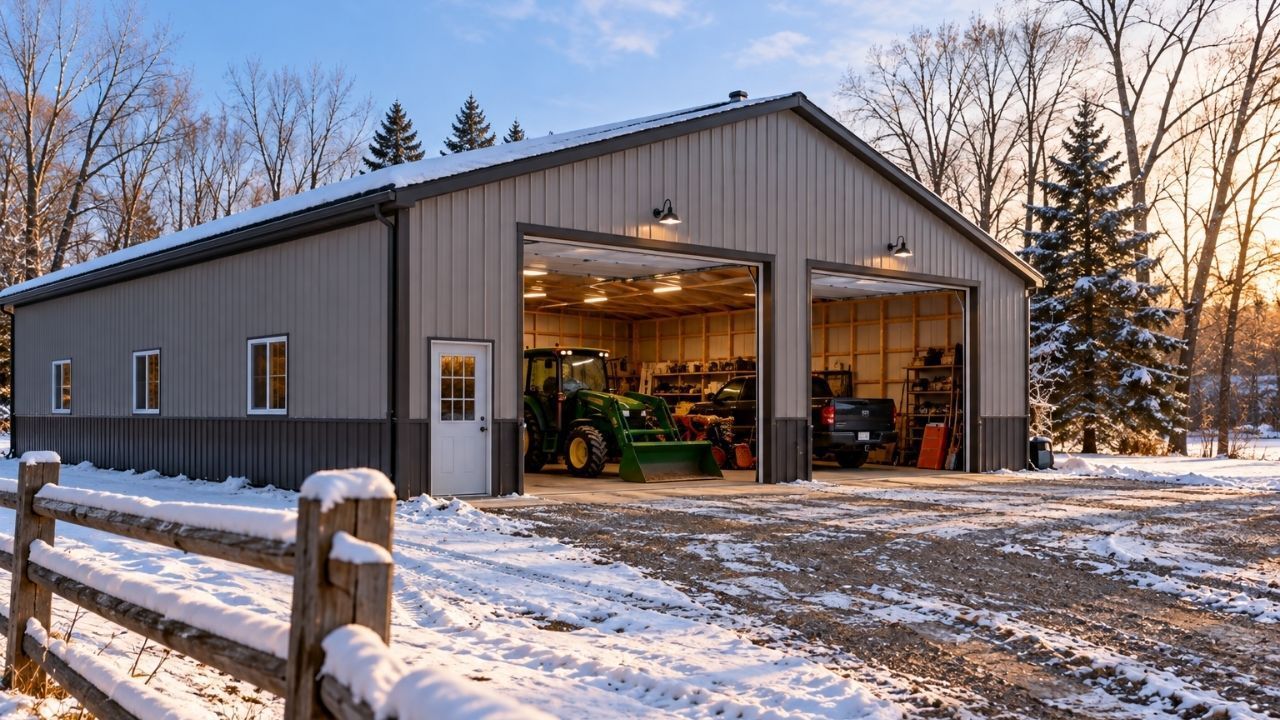
Learn how Michigan home insurance covers pole barns and outbuildings, including snow, wind, hail, farm use, Coverage B limits, and key exclusions.
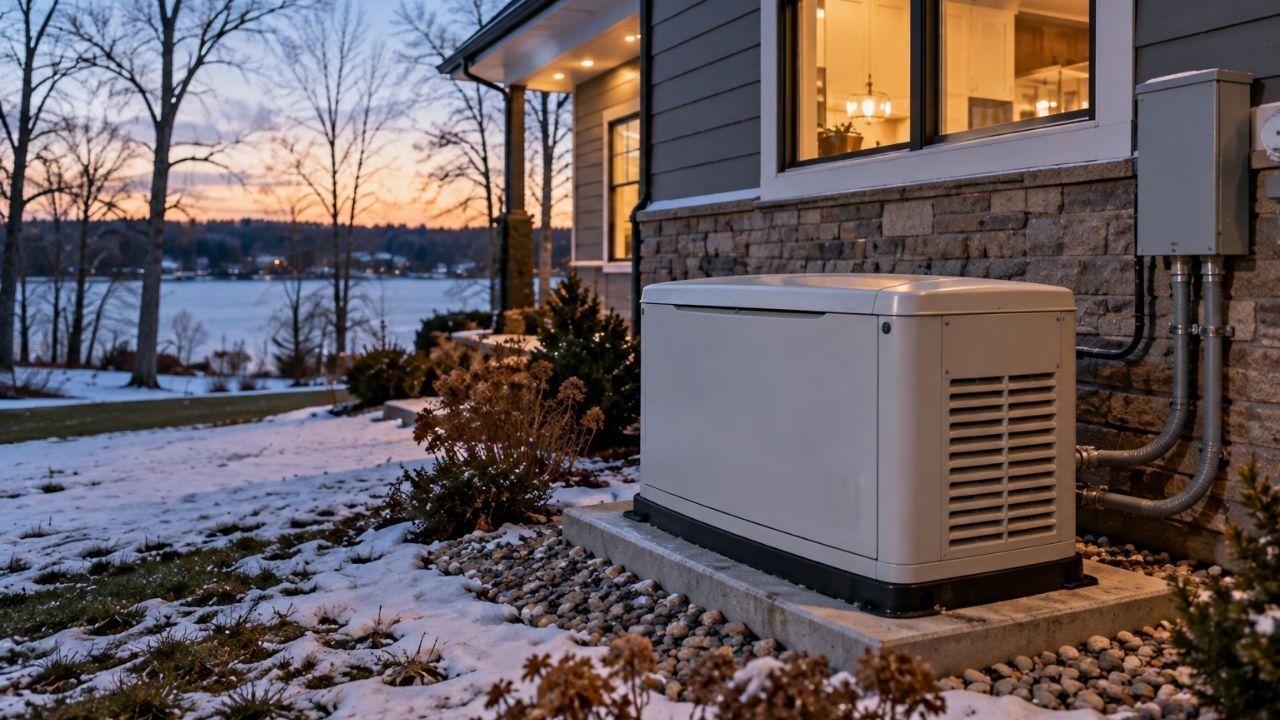
Learn how Michigan home insurance covers backup generators, including storm damage, power surges, mechanical breakdowns, and equipment coverage options.
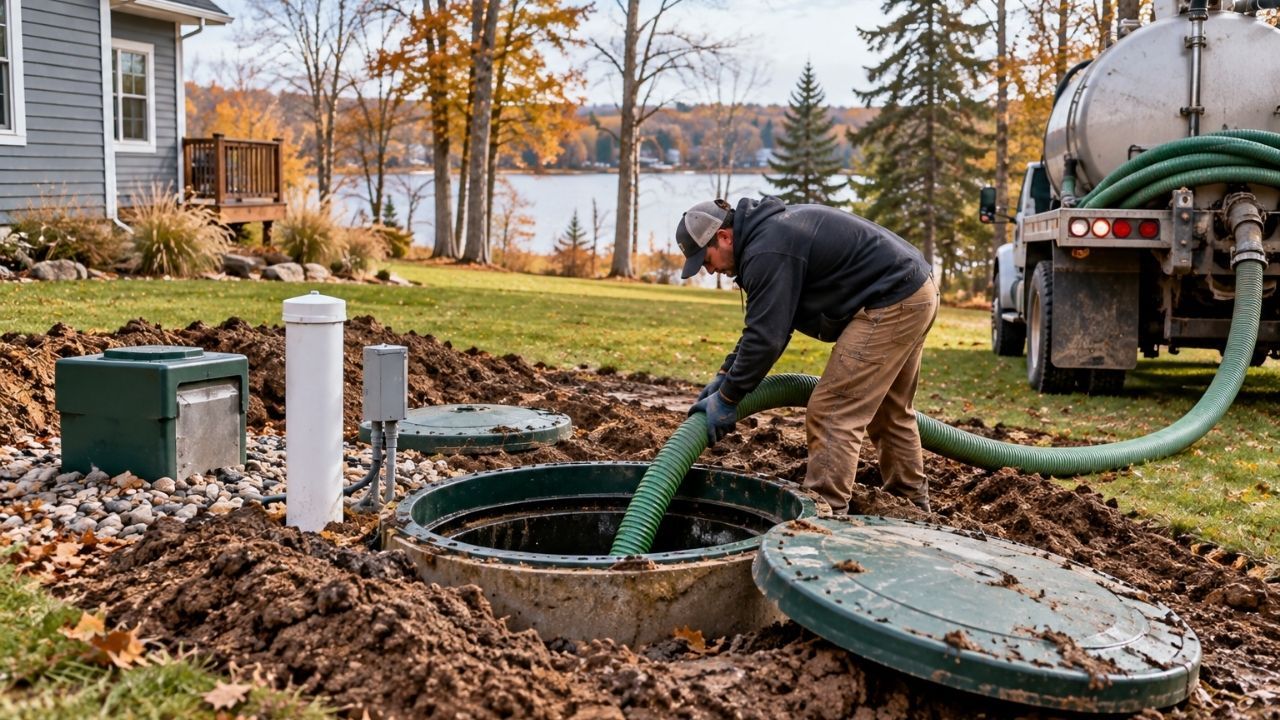
Learn how Michigan home insurance covers private wells and septic systems, including pump failures, sewage backups, service lines, and key endorsements.
Protect your finished Michigan basement with the right home insurance coverage. Learn about water backup, sump pumps, flooding, egress, and coverage gaps.
Protect your Michigan detached garage or workshop with the right insurance. Learn about Coverage B, snow risks, tools, equipment, and business use.
Update your Michigan home insurance after renovations. Learn how to adjust coverage, replacement costs, and protect your investment from costly gaps.
Protect your Michigan rental with the right landlord insurance. Learn coverage options, DP-1 vs. DP-3, liability, loss of rent, and key risks.

Wilde Wealth Insurance Services provides Michigan boat insurance coverage options to protect your vessel, liability, and finances on inland and Great Lakes waters.

Discover how much you can save bundling home and auto insurance in Michigan. Learn average discounts up to 25% and money-saving tips.