
Email us today!

Michigan Home Insurance for Finished Basements
October 9, 2026
See How We're Different
or call us: (248)-647-2500
A finished basement in Michigan represents a significant investment, often adding a home theater, guest bedroom, or family recreation space below grade. Yet most homeowners who spend tens of thousands of dollars on these remodels never confirm that their insurance actually protects the improvement. The truth is that a standard Michigan homeowners policy leaves major gaps around water damage, sump pump failures, and below-grade personal property. Understanding how home insurance covers finished basements, egress improvements, water seepage, and common exclusions in Michigan can save you from a devastating out-of-pocket loss. Michigan's unique geography, with its high water tables, Great Lakes-driven weather systems, and freeze-thaw cycles, makes basement coverage more than an afterthought. It is a financial necessity. This guide walks through what your policy likely does and does not cover, which endorsements deserve your attention, and how code-compliant upgrades like egress windows affect your claim eligibility.
Understanding Basement Coverage in Michigan
Most Michigan homeowners carry an HO-3 policy, which is the most common form of
homeowners insurance in the state. The HO-3 provides broad coverage for the
dwelling structure and named-peril coverage for personal property. That distinction matters because your
finished basement walls, flooring, and built-in cabinetry fall under dwelling coverage, while your furniture, electronics, and stored belongings fall under personal property, and each category has its own limits and conditions below grade.
Standard Homeowners Policy Limits
A typical HO-3 policy in Michigan
only covers "sudden and accidental" internal water discharge, such as a burst supply line or a
failed water heater. Sewer backups, sump pump overflows, and surface water intrusion are excluded unless you purchase separate endorsements. While some specific endorsements may impose flat-dollar sub-limits on certain water-related losses, the 10 percent cap often cited in industry discussions typically applies to Coverage B (Other Structures) like detached garages rather than the main dwelling structure. If you have $300,000 in dwelling coverage, you should verify your specific policy language to ensure your entire finished basement structure is protected, as standard limits may not cover a full rebuild of a high-quality space.
How Finished Basements Impact Property Value
A well-executed basement finish can add meaningful value to a Michigan home, but insurers do not automatically adjust your coverage to reflect the improvement. You are responsible for notifying your carrier and requesting a coverage increase after completing a remodel. Failing to do so creates an underinsurance gap. If a covered loss destroys $80,000 worth of improvements and your below-grade limit sits at $30,000, you absorb the difference. An updated appraisal or contractor estimate helps you set the right dwelling limit.
Essential Add-ons for Finished Spaces
Standard policies leave the most common basement threats uncovered. Endorsements fill those gaps, but each one addresses a specific peril, and no single add-on covers everything.
Water Back-Up and Sump Pump Overflow
This endorsement is the single most important add-on for any Michigan homeowner with a finished basement. It covers damage caused when a sump pump fails, a floor drain backs up, or a municipal sewer line overwhelms your home's drainage system. Michigan homeowners
must add a "Water Backup and Sump Pump Overflow" endorsement because none of these events fall under a standard HO-3. Coverage limits on these endorsements typically range from $5,000 to $25,000, and you should match the limit to the replacement cost of your finished space and its contents. The annual premium for this endorsement often runs between $50 and $150, making it one of the most cost-effective protections available.
Flood Insurance vs. Standard Water Damage
Flood damage and water backup damage are not the same peril, and they require different policies. Flood insurance, available through the National Flood Insurance Program or private carriers, covers rising surface water from storms, snowmelt, or overflowing bodies of water. Your homeowners policy, even with a sump pump endorsement, does not cover flood events. Michigan's proximity to the Great Lakes and its extensive river systems place many homes in or near FEMA-designated flood zones. If your basement sits below the local water table or near a floodplain, a separate flood policy is not optional. The distinction between groundwater seepage and flood damage also matters: slow groundwater seepage through foundation walls is universally excluded as a maintenance issue under both standard and endorsed policies.
Personal Property vs. Dwelling Coverage
Your finished basement contains two categories of insurable property. Dwelling coverage (Coverage A) applies to permanent improvements: drywall, flooring, built-in shelving, plumbing, and electrical work. Personal property coverage (Coverage C) applies to movable items: furniture, televisions, exercise equipment, and stored goods. Many policies apply sub-limits to personal property stored below grade, and some exclude certain categories entirely, such as electronics or musical instruments, unless you schedule them separately. Review your declarations page carefully and confirm that both your structural improvements and your contents carry adequate limits.
Comparison: Basic vs. Enhanced Basement Protection
The table below illustrates the coverage differences between a standard HO-3 policy and one enhanced with common basement endorsements.
| Coverage Scenario | Standard HO-3 | Enhanced (With Endorsements) |
|---|---|---|
| Burst pipe damage | Covered | Covered |
| Sump pump overflow | Not covered | Covered (with water backup endorsement) |
| Sewer line backup | Not covered | Covered (with water backup endorsement) |
| Surface water flooding | Not covered | Covered (with separate flood policy) |
| Groundwater seepage | Not covered | Not covered (maintenance exclusion) |
| Below-grade personal property | Sub-limited | Higher limits available with scheduling |
| Egress window compliance | Not addressed | May reduce claim denials for liability |
| Typical annual add-on cost | $0 | Varies based on selected coverage limits |
This comparison makes clear that a bare HO-3 policy protects your finished basement only against a narrow set of sudden, accidental events. Every other common water-related peril requires a paid endorsement or a separate policy.
Unique Risk Factors for Michigan Homeowners
Michigan's geography and climate create basement risks that homeowners in drier, warmer states rarely face. Your coverage strategy should reflect these conditions.
High Water Tables and Great Lakes Weather
Many communities across Southeast Michigan, the Thumb region, and the western lakeshore sit on high water tables that place constant hydrostatic pressure on basement walls and floors. Spring snowmelt and heavy summer storms push that pressure higher. Great Lakes-effect precipitation can dump significant moisture in short periods, overwhelming municipal storm systems and residential sump pumps simultaneously. Standard homeowners insurance does not pay for flood damage, and verifying that you carry the proper coverage before weather-related damage occurs is essential. A battery-backup sump pump system paired with a water backup endorsement provides the most practical defense.
Winter Pipe Bursts and Insulation Requirements
Michigan winters routinely drive temperatures well below zero, and basements with exterior walls that lack proper insulation are vulnerable to frozen and burst pipes. A standard HO-3 does cover sudden pipe bursts, but insurers may deny a claim if they determine the damage resulted from a failure to maintain adequate heat or insulation. Keeping your basement temperature above 55 degrees Fahrenheit, insulating exposed supply lines, and sealing rim joist areas are all steps that protect both your property and your claim eligibility. If you are finishing a basement bedroom, the Michigan Residential Code requires
egress windows with a minimum net clear opening of 5.7 square feet for any sleeping room. Installing code-compliant egress windows
typically costs between $3,500 and $5,500 for a poured concrete foundation in Southeast Michigan. This investment does more than satisfy building code: finishing a basement without proper egress windows
can lead to denied liability claims if a guest is injured or trapped in a non-compliant space.
Common Questions About Basement Insurance
Does my standard Michigan homeowners policy cover a flooded basement? Only if the water came from a sudden, accidental internal source like a burst pipe. Sewer backups, sump pump failures, and surface flooding all require separate endorsements or policies.
How much does a water backup endorsement cost in Michigan? Most carriers charge between $50 and $150 per year, with coverage limits ranging from $5,000 to $25,000. Choose a limit that reflects the replacement cost of your finished space.
Will my insurer cover groundwater seeping through the foundation? No. Slow groundwater seepage is classified as a maintenance issue and is excluded under virtually all homeowners policies, including those with water backup endorsements.
Do I need egress windows to get insurance on my finished basement? Egress windows are not typically required for a homeowners policy, but the absence of code-compliant egress can result in denied liability claims if someone is injured in a non-compliant bedroom.
Should I get a separate flood insurance policy? If your home sits near a floodplain, river, or high water table area, yes. Flood insurance covers rising surface water, which no standard homeowners policy or endorsement addresses.
Does finishing my basement automatically increase my coverage? No. You must notify your insurance carrier and request a coverage increase. An updated appraisal or contractor invoice helps establish the correct dwelling limit.
Making the Right Choice for Your Remodel
Protecting a finished basement in Michigan requires more than a standard homeowners policy. You need a water backup endorsement at minimum, a flood policy if your location warrants it, and dwelling coverage limits that reflect the actual replacement cost of your improvements. Code-compliant egress windows are not just a building requirement for sleeping rooms; they protect your liability exposure and strengthen your position during a claim.
Before you sign off on a basement remodel, request a policy review with your insurance agent. Bring your contractor's estimate, confirm your below-grade dwelling and personal property limits, and ask specifically about exclusions for water seepage, sewer backup, and flood events. The cost of proper endorsements is modest compared to the five-figure losses that uninsured basement damage routinely produces. A finished basement should be a source of comfort and value for your Michigan home, not a financial vulnerability hiding one storm away from discovery.
BLOG AND NEWS
Better Insurance Decisions
Michigan home insurance ordinance and code coverage helps protect older homes from costly code upgrades, demolition, wiring, plumbing, and compliance expenses.
Learn how Michigan home insurance covers pole barns and outbuildings, including snow, wind, hail, farm use, Coverage B limits, and key exclusions.
Learn how Michigan home insurance covers backup generators, including storm damage, power surges, mechanical breakdowns, and equipment coverage options.
Learn how Michigan home insurance covers private wells and septic systems, including pump failures, sewage backups, service lines, and key endorsements.
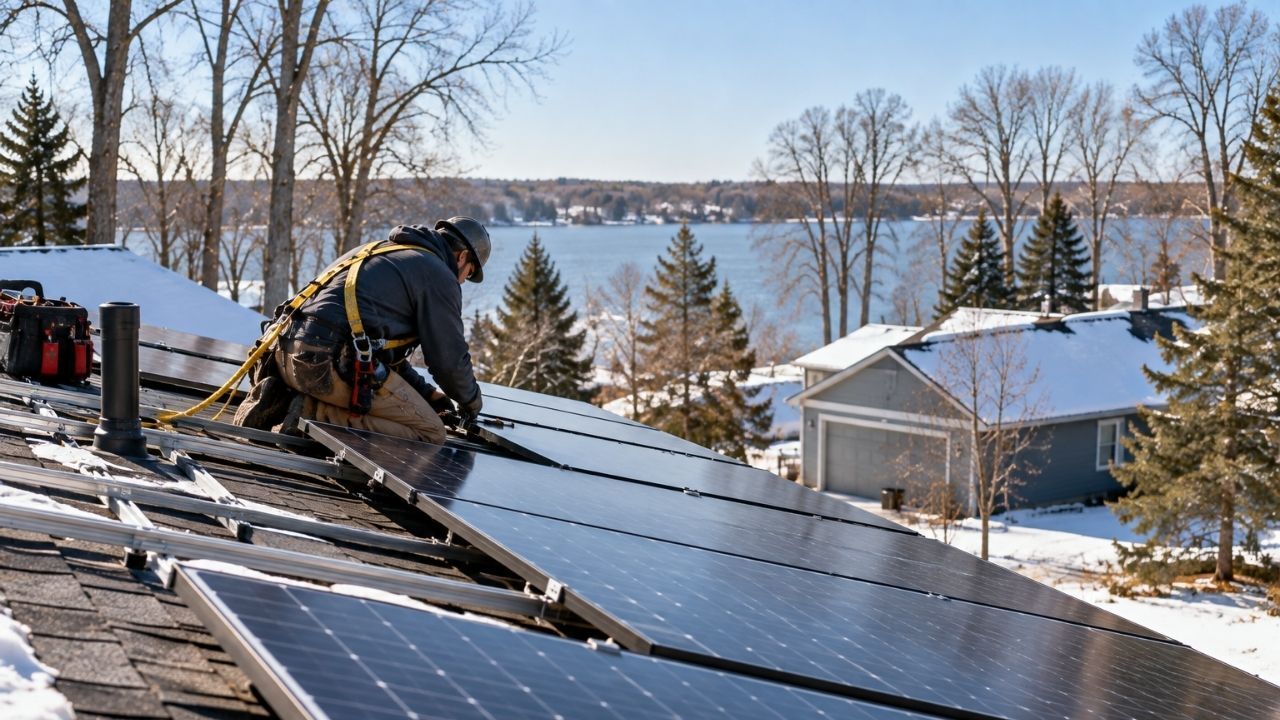
Protect your Michigan solar investment with the right home insurance coverage. Learn about panel damage, storm risks, deductibles, and coverage limits.
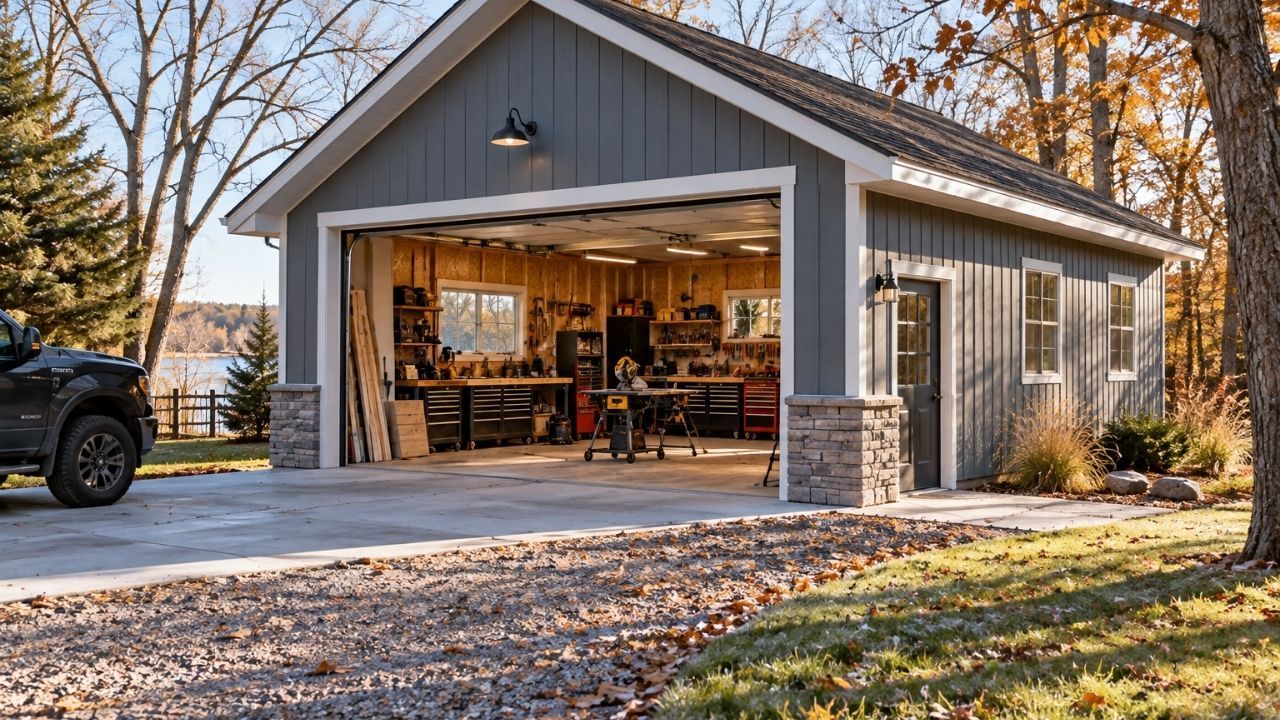
Protect your Michigan detached garage or workshop with the right insurance. Learn about Coverage B, snow risks, tools, equipment, and business use.
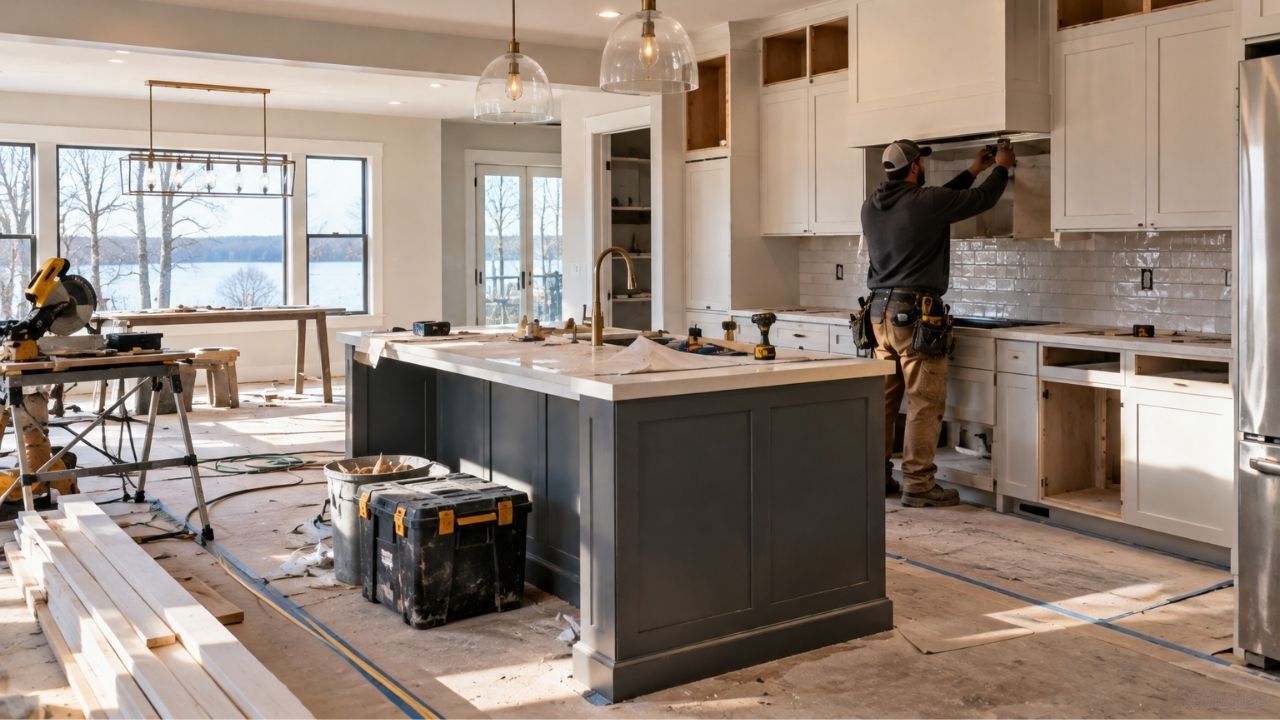
Update your Michigan home insurance after renovations. Learn how to adjust coverage, replacement costs, and protect your investment from costly gaps.
Protect your Michigan rental with the right landlord insurance. Learn coverage options, DP-1 vs. DP-3, liability, loss of rent, and key risks.

Wilde Wealth Insurance Services provides Michigan boat insurance coverage options to protect your vessel, liability, and finances on inland and Great Lakes waters.

Discover how much you can save bundling home and auto insurance in Michigan. Learn average discounts up to 25% and money-saving tips.